Author: admin

Handle Emergency Plumbing Repairs Like a Pro

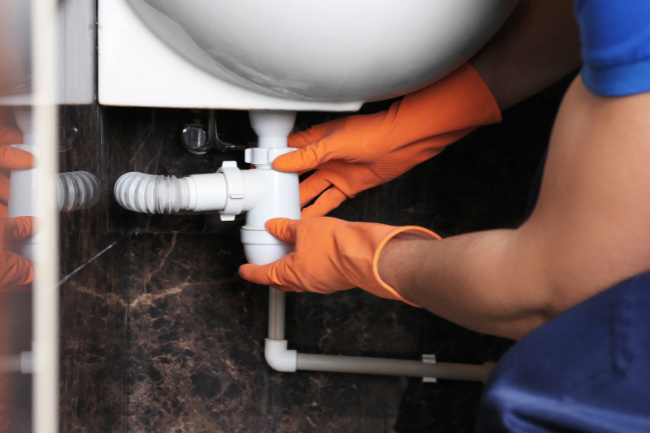
Plumbing emergencies can happen at any time and catch you off guard. A burst pipe or an overflowing toilet can quickly turn into a huge problem. Knowing what to do in these situations can save you a lot of stress and money.

First, it’s important to understand what counts as an emergency plumbing issue. Some problems can’t wait until the next day. Burst pipes, backed-up sewer lines, and overflowing toilets need immediate attention. Recognizing these signs can help you act quickly and avoid bigger headaches down the line.

Once you know there’s a problem, taking some quick safety steps is crucial. Turning off the main water supply and knowing how to stop leaks temporarily can make a big difference. This guide will walk you through the basics of handling emergency plumbing repairs like a pro. Whether it’s having the right tools handy or knowing when to call a professional plumber, you’ll be better prepared to manage the situation.

Understanding Common Emergency Plumbing Issues

Plumbing emergencies can happen suddenly and cause a lot of damage. Here are some typical emergency plumbing problems you might face:

  • Burst Pipes: Burst pipes are one of the most serious plumbing emergencies. When pipes burst, water can flood your home quickly. This can ruin floors and walls and lead to expensive repairs.
  • Backed-Up Sewer Lines: A backed-up sewer line means waste water can’t leave your home. This can cause bad smells, health hazards, and even sewage spilling into your home.
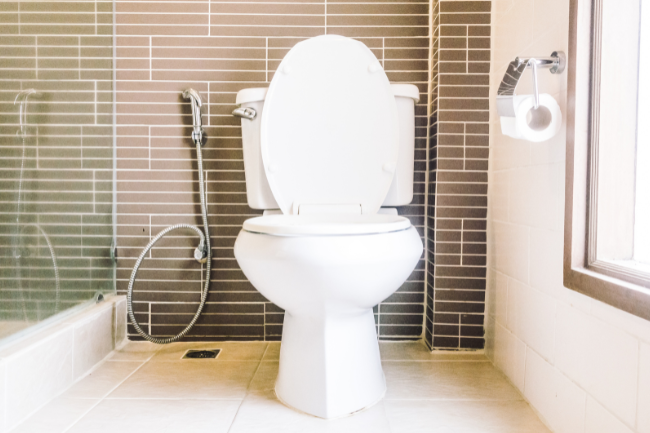
  • Overflowing Toilets: An overflowing toilet can be a huge mess. It can wet floors, cause water damage, and make a very unpleasant clean-up.

Knowing these problems and their signs is important. Signs include water stains on walls, slow drains, bad smells, and strange noises from your plumbing system. If you see these signs, you may have an emergency plumbing issue.

Safety should be your top concern. If you have a burst pipe, turn off the main water supply right away. This stops more water from flooding your home. If you have a backed-up sewer line or overflowing toilet, avoid using other sinks, baths, or toilets to prevent more damage. Always keep a safe distance from any standing water to avoid accidents.

Step-by-Step Guide to Temporary Fixes

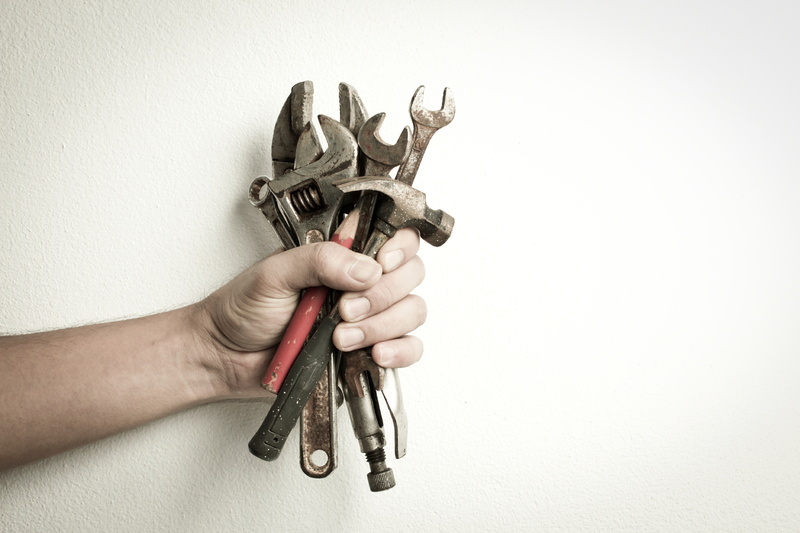
It’s helpful to know how to handle issues yourself until a plumber can come. Here’s a list of tools and items you should always have at home:

  • Plunger
  • Pipe wrench
  • Leak repair tape
  • Bucket
  • Towels
  • Rubber gloves
  • Adjustable wrench

Here are some steps to temporarily fix common issues:

  • Stop a Leak: If you find a leaky pipe, turn off the main water valve. Then, use leak repair tape to seal the leaking area. This tape can hold until a professional plumber arrives.
  • Unclog a Toilet: First, use a plunger to try to clear the clog. Press down and pull up with the plunger several times to see if the water level drops. If this doesn’t work, avoid flushing too many times to prevent overflow.
  • Turn Off the Main Water Supply: Knowing how to do this can save you lots of headaches. The main water valve is usually found near your water meter. Turn it clockwise to shut off the water.

Temporary solutions can help stop further damage. Using a bucket to catch water from a leaking pipe, or towels to soak up standing water, can help manage the situation until you get professional help. Simple steps like these can save you from a lot more damage and expense.

When to Call a Professional Plumber

Some plumbing problems are too severe for a DIY fix. Here are scenarios when it’s crucial to call a professional plumber:

  • Major Water Leaks: If a pipe bursts and causes flooding, you need a pro to repair the pipe and clean up.
  • Blocked Sewer Line: If you notice multiple drains clogging at once, it’s likely a blocked sewer line, which requires special equipment to fix.
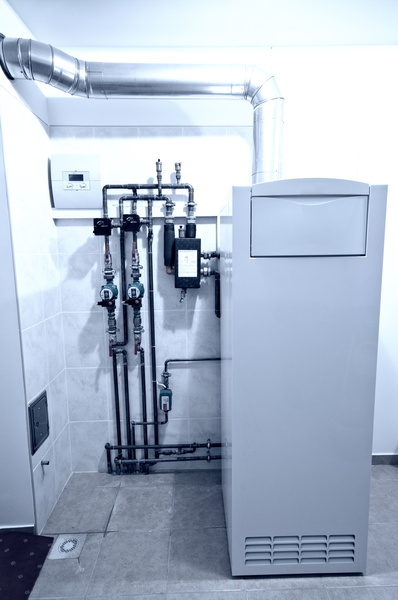
  • No Hot Water: If your water heater fails, and you don’t have hot water despite checking basic issues like the pilot light, call a professional.

DIY fixes in critical situations can be risky. Incorrect repairs can lead to worse problems. For example, trying to fix a gas water heater without proper knowledge can be hazardous and might lead to gas leaks.

Professional plumbing services have trained experts to handle these situations. They have the right tools and knowledge to fix problems correctly and safely. They can also identify underlying issues that might not be obvious but could cause future problems. Trusting a professional saves you time, stress, and potentially more expensive damage.

Preventive Measures to Avoid Future Emergencies

Preventing plumbing emergencies is easier than dealing with them. Here are some regular maintenance tips:

  • Inspect Your Plumbing: Check your pipes, faucets, and toilets regularly for leaks or signs of wear.
  • Clean Your Drains: Avoid using harsh chemicals. Instead, use a drain snake or a mixture of baking soda and vinegar to clean out any clogs.
  • Watch What Goes Down the Drain: Don’t pour grease or food scraps down the kitchen sink. Use strainers to catch hair and debris in the bathroom.

To winterize your plumbing, especially in Canada’s cold climate, consider these steps:

  • Insulate Pipes: Use pipe insulation on exposed pipes in unheated areas.
  • Disconnect Outside Hoses: Drain and store garden hoses. Install frost-free hose bibs to prevent freezing.
  • Let Faucets Drip: Let a small stream of water drip from faucets on very cold nights to keep pipes from freezing.

Periodic inspections, like sewer camera inspections, are vital. These inspections can catch problems in your sewer lines before they become major issues. A small investment in regular checking can save you a lot of trouble and cost later on.

Conclusion

Handling emergency plumbing repairs doesn’t have to be stressful. Knowing how to identify common issues, using temporary fixes, and understanding when to call a professional can save you from a lot of headaches. Preventive measures also help avoid future emergencies, keeping your plumbing system running smoothly.

Take the time to inspect your home’s plumbing and make small repairs when needed. Small actions can prevent big problems. When you’re unsure or face a serious issue, don’t hesitate to call the experts.

For professional and reliable emergency plumbing repairs, contact The Irish Plumber. We’re here to handle all your plumbing needs, from emergencies to regular maintenance. Contact us today and keep your home safe.

What’s the Longest-Lasting Heating System? A Boiler!

a-home-heating-boiler

In many parts of the country, the furnace reigns supreme. Whether gas or electric or sometimes even oil or propane, forced-air furnaces are quite popular. They make use of the ductwork that many of the homes in our more northern climate don’t have, or didn’t until recently. Around here, another option is very popular, and it shouldn’t be overlooked: a home heating boiler. It lasts longer than any other heating system! Here’s why. When you need a boiler repair in Livingston, NJ, give us a call.

Boiler Life Expectancy

An electric furnace might last for up to 15 years, provided it has maintenance performed every single year. A gas furnace won’t last as long as that. 10-15 years is a good long life for a furnace that combusts natural gas. But a boiler long outlasts either of those. It can keep chugging happily along for 20 years! How is this possible? There are some pretty simple reasons.

Moving Parts

Each moving part in a system is a point of potential failure. Imagine a ball. While the toy itself does move, it is not made of separate components that have to move together or against one another. Now imagine a bicycle. There are endless points where things twist or spin, squeeze or pull. That’s why there are so many bicycle repair shops.

Furnaces have a lot of moving parts. There are motors, fans, and valves. Any one of these receives a lot of wear over the years, and eventually, they’ll wear out. Boilers really only have one main moving component: the circulator pump which keeps the hot water moving throughout your home. With this simpler design, there’s less opportunity for something to break.

Corrosion

Boilers are full of water. It’s true! So why would they be less likely to experience corrosion and rusting than a system that doesn’t consist largely of a water tank? Because water has a pH of around 7, which is neutral, and because the boiler has a special protective coating to guard against it.

Did you know that in addition to producing heat, and the exhaust which must be vented out of your home, a gas furnace produces condensation? This moisture buildup occurs inside the furnace cabinet. But because of how it’s created, it does not have a neutral pH. It is in fact pretty acidic, so it contributes much more significantly to corrosion than pure water would.

Maximizing Boiler Lifespan

Of course, it’s not enough to simply sit back and say, I have the longest-lasting heating system, so I don’t need to do anything about it for 20 years. No, it’s still important to have maintenance done each year. This will prevent tiny problems from building up until you do have a need for repair.

And if repairs are needed, have them done right away. Odd sounds or smells, drips or puddles, cold rooms or uneven temperatures, or rising utility bills can all indicate that your boiler does in fact have a problem. Don’t allow that problem to worsen until serious damage to the system occurs!

Contact MarGo Plumbing Heating Cooling Inc. today to schedule an appointment or ask any questions about your boiler!

The post What’s the Longest-Lasting Heating System? A Boiler! first appeared on MarGo Plumbing Heating Cooling Inc..

This post first appeared on https://margoplumbing.com

Why Frost-Free Hose Bibs are a Must and How to Fix Them

Winter in Canada can be harsh, and your home’s plumbing needs to be ready for it. One crucial part of winterizing your home is ensuring that your outdoor faucets, also known as hose bibs, are protected from freezing temperatures. This is where frost-free hose bibs come into play.

Frost-free hose bibs are specially designed to prevent water from freezing inside the pipe, which can cause it to burst. When temperatures drop, any water remaining in a regular hose bib can freeze and expand, leading to a cracked pipe and significant water damage. Frost-free hose bibs solve this problem by shutting off the water further inside your home, where it’s warmer, thus preventing freezing.

Installing frost-free hose bibs not only saves you from costly repairs but also ensures that you have running water outside your home all year round. This article will delve into what frost-free hose bibs are, how they work, the benefits of having them, common problems you might face, and how to fix these issues. Understanding these points will help you keep your plumbing system in top shape, even during the coldest months.

What Are Frost-Free Hose Bibs and How Do They Work?

Frost-free hose bibs, also called frost-proof faucets, are outdoor spigots designed to prevent water from freezing inside the pipe. They are longer than regular hose bibs, extending further into the house where temperatures are warmer. This design keeps the water sitting in a part of the pipe that stays above freezing, even during the coldest winter days.

The key feature of a frost-free hose bib is its shut-off valve, located inside the house rather than near the spout outside. When you turn off the faucet, water drains from the outer part of the pipe, preventing any water from being trapped in the cold section. By doing this, frost-free hose bibs minimize the risk of the pipe freezing, expanding, and then bursting, which can cause significant water damage and expensive repairs.

Another component often included is a vacuum breaker, which prevents water from flowing backward into the home’s plumbing system. This feature adds an extra layer of protection, especially during winter when the hose bib isn’t in use. Understanding how frost-free hose bibs work can help you appreciate their importance and ensure you use them correctly to protect your home.

Benefits of Installing Frost-Free Hose Bibs

Installing frost-free hose bibs brings several important advantages, particularly for homeowners in cold climates:

1. Prevents Pipe Bursting: The main benefit is their ability to prevent pipes from freezing and bursting, which can lead to significant water damage and costly repairs.

2. Year-Round Use: With frost-free hose bibs, you can use your outdoor faucets throughout the year without worrying about winter damage. This is especially useful for tasks like cleaning walkways or filling bird baths during the winter months.

3. Peace of Mind: Knowing that your plumbing is protected from freezing temperatures offers peace of mind. You don’t have to go through the hassle of disconnecting hoses and winterizing your faucet every year.

4. Long-Term Savings: While the upfront cost may be higher than regular hose bibs, frost-free models can save you money in the long run by avoiding extensive repairs and replacements due to burst pipes.

5. Ease of Installation: They are relatively easy to install, making them a practical upgrade for many homeowners. For new constructions, it’s a no-brainer to opt for frost-free faucets right from the start.

Frost-free hose bibs are essential in cold climates as they help you avoid the common pitfalls of regular outdoor faucets. By preventing freezing and bursting pipes, they protect your home and make winter plumbing maintenance much simpler.

Common Problems with Frost-Free Hose Bibs

Even though frost-free hose bibs are designed to be durable, they can still develop problems. One common issue is leaking. If you notice water dripping from the spout, it might be due to a worn-out washer or a loose connection. A leak can also occur inside the wall, which is much harder to spot but can lead to severe water damage.

Another problem is a broken valve stem. This part can become damaged, preventing the faucet from shutting off correctly. If you turn the handle and water keeps flowing, it’s a sign that the valve stem might be broken. This issue needs to be addressed quickly to avoid wasting water and causing potential flooding.

Cracks in the pipe can also occur, especially if the frost-free hose bib wasn’t installed correctly. These cracks may not always be visible, but if you see water stains or damp spots on your exterior wall or basement, it’s a clear indication that there’s a problem.

To identify these issues, watch for signs like reduced water flow, continuous dripping, or strange sounds when you turn on the faucet. Regular maintenance checks can help you catch these problems early and prevent more extensive damage.

How to Fix Common Issues with Frost-Free Hose Bibs

Fixing common issues with frost-free hose bibs can often be done with some simple tools and a little know-how. Here’s a step-by-step guide:

1. Fixing Leaks: First, turn off the water supply to the hose bib. Remove the handle and unscrew the packing nut. Replace the washer inside, as this is often the cause of leaks. Reassemble the parts and turn the water back on to check for leaks.

2. Repairing the Valve Stem: If the valve stem is broken, you’ll need to replace it. Start by turning off the water supply and removing the faucet handle and packing nut. Carefully pull out the valve stem and replace it with a new one. Reassemble the faucet and test it to ensure the water shuts off correctly.

3. Addressing Cracks: For cracks in the pipe, it’s best to call a professional plumber. While there are temporary fixes like pipe tape, they are not reliable for long-term use and may lead to more significant issues down the line.

When you notice water stains or damp spots on your wall and suspect a hidden leak, it’s crucial to call a professional immediately. They have the tools and expertise to locate and fix these leaks before they cause severe damage.

Conclusion

Frost-free hose bibs are a must-have for any home, especially in cold climates like ours. They help prevent the common problem of pipes freezing and bursting during winter. While these special faucets are designed to withstand cold temperatures, they are not entirely free from issues. Knowing what to look for and how to fix common problems can save you time, money, and hassle.

Being proactive about fixing small problems will help you avoid bigger ones. Regular inspections and simple maintenance checks can keep your frost-free hose bibs in excellent condition, ensuring they work effectively when you need them most. However, some repairs require professional attention to be done right. It’s important to recognize when a problem is beyond DIY solutions and call an expert to take care of it.

If you’re facing issues with your frost-free hose bibs or need any other plumbing assistance, don’t hesitate to reach out to The Irish Plumber. We offer expert services to help you maintain your home’s plumbing system efficiently. Contact our Ottawa plumbers today to ensure your plumbing works perfectly through every season.

Exploring Easy Fixes for Common Building Drain Problems

Having trouble with your building’s drains can be a real headache. From slow draining sinks to foul smells, these issues can disrupt your life and cause significant damage if not addressed quickly. Understanding the common causes of drain problems and knowing some easy fixes can help keep your plumbing in good shape.

Drains can become blocked for many reasons, such as hair, grease, and other debris. Over time, pipes can also corrode and degrade, leading to more serious issues that need professional attention. By learning how to handle minor problems yourself and knowing when to call a plumber, you can save time and money.

Common Causes of Building Drain Problems

Blockages and Clogs

One of the most common causes of building drain problems is blockages. These can occur when foreign objects, such as hair, soap scum, food particles, and grease, accumulate in the pipes. Over time, these materials build up and obstruct the flow of water, leading to slow draining sinks and bathtubs. You might notice gurgling sounds or unpleasant odours coming from your drains, indicating a blockage.

Fixing blockages can be straightforward or complex, depending on the severity. In most cases, a plunger or a drain snake can help dislodge the material causing the blockage. However, recurring blockages might signal a deeper issue within the plumbing system that requires professional attention.

Pipe Corrosion and Material Degradation

Another major cause of drain problems is pipe corrosion. Pipes, especially those made from cast iron, can corrode over time due to constant exposure to water and various chemicals. Corrosion weakens the pipes, making them susceptible to leaks and breaks. Signs of corroded pipes include rust-coloured water, low water pressure, and frequent leaks.

Material degradation isn’t limited to metal pipes. Plastic and PVC pipes can also degrade, particularly if they’re old or exposed to extreme temperatures. These materials can crack over time, leading to similar issues as corroded metal pipes. Regular inspections and timely replacements of old pipes can help prevent these problems and ensure the longevity of your plumbing system.

Simple DIY Solutions for Minor Drain Issues

List of Common DIY Fixes

You don’t always need to call a plumber for minor drain issues. Here are some common DIY fixes you can try:

1. Plunging: A plunger can be very effective for minor clogs in sinks, toilets, and bathtubs. Ensure a tight seal around the drain and use a firm, up-and-down motion to dislodge the blockage.
2. Drain Snake: A drain snake, or auger, is a handy tool for clearing deeper clogs. Insert the snake into the drain and twist it to break up or pull out the obstruction.
3. Baking Soda and Vinegar: Pour a mixture of baking soda and vinegar down the drain, followed by hot water. This can help dissolve minor clogs and remove odours.
4. Boiling Water: Simply pouring boiling water down the drain can often dissolve grease build-up and minor blockages.

Safety Tips for DIY Drain Repairs

While DIY fixes can be helpful, it’s important to stay safe:

1. Wear Gloves: Protect your hands from bacteria and chemicals by wearing rubber gloves.
2. Use Tools Properly: Follow the instructions for any tools you use, like plungers and drain snakes, to prevent damage to your pipes.
3. Avoid Harsh Chemicals: Chemical drain cleaners can damage your pipes and are harmful to the environment. Stick to natural solutions whenever possible.
4. Know Your Limits: If the problem persists or seems too complex, call a professional to avoid worsening the issue.

By understanding these common causes and simple fixes for drain problems, you can better maintain your plumbing system and prevent minor issues from turning into major headaches.

When to Call a Professional Plumber

Signs That the Problem Is More Serious

Sometimes, a drain problem is too big for DIY solutions. It’s important to recognize when you need to call a professional plumber. Here are some signs that the problem might be more serious:

1. Recurring Clogs: If you find yourself constantly dealing with the same clog, it could indicate a deeper issue in the pipes.
2. Slow Drains Everywhere: If multiple drains in your home are slow, it might be a sign of a blockage in the main sewer line.
3. Bad Odours: Persistent bad smells coming from your drains can signal a severe blockage or sewer line problem.
4. Unusual Noises: Gurgling or bubbling noises from your drains could indicate a clog or air trapped in the pipes.

When you notice these signs, it’s best to get a professional inspection to avoid causing further damage to your plumbing system.

Benefits of Professional Drain Inspection

Hiring a professional for a drain inspection comes with several benefits:

1. Accurate Diagnosis: Professionals use advanced tools, like sewer cameras, to accurately identify the problem. This avoids guesswork and ensures the right fix.
2. Long-Term Solutions: A professional plumber can provide long-term solutions rather than quick fixes, saving you time and money in the future.
3. Safety: Dealing with severe clogs or damaged pipes can be dangerous. Professionals have the expertise and equipment to handle these issues safely.
4. Comprehensive Service: Plumbers can inspect your entire plumbing system and address any underlying issues, preventing future problems.

Advanced Techniques for Drain Repair and Maintenance

Use of Sewer Cameras for Inspection

One of the most advanced tools in plumbing is the sewer camera. This small, flexible camera is inserted into the pipes, providing a clear view of the interior. This inspection method has several advantages:

1. Precise Identification: A sewer camera can locate the exact position and nature of the blockage or damage.
2. Non-Invasive: Unlike traditional methods, sewer camera inspections don’t require digging up floors or walls, making it less disruptive.
3. Time-Saving: Quick and efficient, this method speeds up the diagnosis process, allowing for faster repairs.

Seeing the problem directly helps in planning the appropriate repair method, ensuring a more effective solution.

Modern Methods for Pipe Repair

When it comes to fixing drain issues, modern methods have made the process easier and more reliable. Here are some advanced techniques:

1. Relining: This method involves inserting a resin-coated tube into the damaged pipe. Once it hardens, it forms a new, durable lining, restoring the pipe’s integrity without full replacement.
2. Pipe Bursting: For more severe damage, pipe bursting is used. A new pipe is pulled through the old one, breaking the damaged pipe apart and replacing it in one go.
3. Replacing Cast Iron Pipes: Old cast iron pipes are prone to corrosion. Replacing them with modern materials like PVC can prevent future problems and improve water flow.

These methods are efficient, less invasive, and provide long-lasting solutions to complex drain issues.

Conclusion

Building drain problems can range from minor annoyances to significant issues that need professional attention. By understanding the common causes, such as blockages and pipe corrosion, you can take steps to prevent them. Simple DIY solutions can fix many minor issues, but knowing when to call a plumber is crucial to avoid larger problems.

Advanced tools like sewer cameras and modern repair techniques make diagnosing and fixing drain problems more efficient and less invasive. Whether it’s preventing recurring clogs or replacing old cast iron pipes, these methods ensure your plumbing system remains in top shape.

If you’re facing drain problems that seem too complex to handle on your own, don’t hesitate to reach out for professional help. At The Irish Plumber, we have the expertise and tools to tackle emergency plumbing repairs. Contact us today to ensure your drains are functioning smoothly!

How do Water-Efficient Toilets Work?

efficient_toilet

Installing high-efficiency, low-flow toilets in your home is just one way you can lower conventional water use. By consuming less water with every toilet flush, you benefit not just the environment, but also your wallet. Low-flow toilets are designed to consume as little as 1.1 gallons of water per flush (GPF); compared to the old-school toilet models (commonly in homes as little as ten years ago), this is a revolution in water consumption.

Read More

Do Heating Odors Mean I Need Furnace Repair?

big-blue-question-mark

When a mechanical or electrical system has a problem, we often first detect that problem with our ears. Whether it’s a computer, a car, or an air conditioner, something going wrong will often make an unusual noise. But there are some problems that make no noise at all. This is particularly true of heating systems.

In some cases, a heating problem is only detectable with your nose! So don’t ignore any funny smells you notice when your heat is running this fall and winter. If you do have an odor coming from your heating system, do you need furnace repair? Sometimes, but not always. Here’s what to keep in mind. And don’t forget–we’re proud to provide excellent furnace service in Montville, NJ, whether you need maintenance, repair, or replacement.

The First Heat of the Season

How long was the stretch when you didn’t use your heating system? Chances are, it was several months. And while your furnace didn’t accumulate any wear and tear during that time, because it wasn’t being used, it did accumulate something. Dust! And probably quite a bit of it. 

The first time you turn on your heating system, if you haven’t had maintenance done, that dust will heat up and make a hot, dry smell. A maintenance technician would have cleaned that dust away (not to mention checked for any problems, tested electrical components, inspected safety mechanisms, and applied fresh lubricant). Open windows and air out the dusty smell. If it goes away, you just need maintenance, not repair.

Overheating Concerns

If that smell doesn’t go away, or if it smells like something other than dust is getting too hot, there could be a component overheating. Lack of lubricant or layers of insulating dust can make it so moving parts get much too hot. Electrical issues can also cause things to heat up excessively. You should definitely schedule heating repair in the near future.

Electrical Fire

An acrid odor, anything that smells like melting plastic, or even like fish washed up onshore can mean there’s a serious electrical problem and possibly even an electrical fire. Other signs include crackling or buzzing sounds, or visible scorch marks. Turn the heat off immediately! You need repairs urgently, and you must not turn the heat back on until it is fixed by a qualified professional.

Gas Leak

Mercaptan is a compound that includes sulfur. It is added to natural gas because otherwise, this fuel has no odor. That means that a gas leak will smell strongly of eggs. This odor means you need to get yourself, your family, and your pets out of the house immediately.

If you can shut off the gas quickly, do so, but don’t spend time trying to figure out how. Evacuate. Call for assistance once you’re within a safe distance, such as at a neighbor’s house or across the street. Your natural gas provider should have an emergency line. If you can’t get through, don’t hesitate to call 911. And stay out of the house until the problem is resolved.

Contact MarGo Plumbing Heating Cooling Inc. today to schedule an appointment or ask any questions about your heating system!

The post Do Heating Odors Mean I Need Furnace Repair? first appeared on MarGo Plumbing Heating Cooling Inc..

This post first appeared on https://margoplumbing.com

What to Expect During a Sewer Camera Inspection

Sewer camera inspections are a game-changer in plumbing. They help you see exactly what’s going on inside your pipes without the need for digging or guesswork. If you’re facing recurring plumbing issues or suspect there’s a problem deep in your sewer line, a sewer camera inspection can provide clear answers. Knowing what to expect can make the process smoother and less stressful.

A tiny, high-resolution camera attached to a flexible rod is used during the inspection. This camera is threaded through your pipes, sending real-time video footage to a monitor, allowing the plumber to see any blockages, cracks, or other issues. This method is effective, non-invasive, and can save a lot of time and money compared to traditional methods.

Understanding the details of a sewer camera inspection can help you be better prepared for the process. Whether it’s pinpointing the exact location of a blockage or detecting potential problems early, this advanced technology is a valuable tool in modern plumbing. In this article, we’ll explore the ins and outs of sewer camera inspections, including how they work, what common issues they detect, their benefits, and how you can get ready for one.

Overview of Sewer Camera Inspection Process

A sewer camera inspection is a straightforward yet highly valuable process. It starts with a plumber feeding a small, high-resolution camera attached to a flexible rod into your pipes. This camera sends live video footage to a monitor, allowing the plumber to see inside the pipes in real-time.

The camera is designed to navigate through twists and turns, making it ideal for assessing the condition of both large and small pipes. The live video helps the plumber pinpoint issues like blockages, cracks, or disconnections. This precise identification means less guesswork and a faster, more effective repair process.

One of the significant advantages of this method is that it’s non-invasive. There’s no need to dig up your yard or break through walls to find the problem. This makes the sewer camera inspection a quick and efficient way to diagnose plumbing issues without causing additional damage to your property.

Common Issues Detected During an Inspection

A sewer camera inspection can detect a variety of issues, helping to ensure your plumbing system stays in good shape. Here are some common problems that these inspections often uncover:

1. Blockages: Items like grease, hair, or foreign objects can cause blockages in your pipes. The camera helps locate these blockages so they can be removed effectively.
2. Cracks and Leaks: Over time, pipes can develop cracks. The camera can spot these small fractures that might lead to bigger problems if not addressed.
3. Tree Root Intrusions: Tree roots can invade your sewer line, causing severe blockages and damage. The sewer camera can detect these roots early, making it easier to remove them before they cause significant harm.
4. Pipe Corrosion: Older pipes, especially made of cast iron, can corrode and deteriorate. The camera inspection helps identify areas where the pipes are wearing down, preventing future leaks and bursts.
5. Misaligned Pipes: Pipes can shift due to ground movement or improper installation. The camera can show where pipes are misaligned, which can cause drainage issues or leaks.

Detecting these issues early can save you from more severe problems and costly repairs in the future. An accurate diagnosis is the first step towards a long-lasting solution.

Benefits of Using a Sewer Camera

Using a sewer camera offers several benefits that make it a valuable tool for maintaining your plumbing system. One of the most significant advantages is its ability to provide a clear, real-time view of the interior of your pipes. This enables precise diagnosis of any issues, ensuring that the correct repairs are made quickly and efficiently.

Another benefit is cost savings. By accurately identifying the problem, you avoid unnecessary digging and repairs. This targeted approach means you only fix what’s broken, saving both time and money. Reducing the amount of manual labour involved also minimizes disruption to your property and daily routine.

Finally, using a sewer camera can prevent future plumbing emergencies. Early detection of minor issues can stop them from turning into major problems. This proactive approach helps to extend the life of your plumbing system and maintain a safe and healthy home environment.

Preparing for a Sewer Camera Inspection

Preparing for a sewer camera inspection is straightforward and ensures the process goes smoothly. Here’s how you can get ready:

1. Clear Access: Ensure the plumber has easy access to the main sewer line or clean-out point. Remove any obstacles or items that might be in the way.
2. Stop Water Usage: Avoid using water in your home during the inspection. This helps to ensure clear visibility and accurate diagnosis.
3. Inform the Plumber: Let the plumber know about any specific issues you’ve been experiencing, such as slow drains or bad odours. This information can help them focus on potential problem areas.
4. Prepare for Results: Be ready to hear about any issues found during the inspection. This might include repairs or further inspections. Understanding that the findings will help solve current and future problems can make the process more manageable.

By following these steps, you’ll help make the sewer camera inspection process quick and effective, leading to a more precise diagnosis and suitable solutions.

Conclusion

A sewer camera inspection is an essential part of maintaining your plumbing system. It’s a quick, non-invasive way to identify issues within your pipes, from blockages and cracks to tree root intrusions and corrosion. By understanding what to expect during the process and preparing accordingly, you can ensure a smooth inspection that helps keep your plumbing in top condition.

Knowing the benefits of using a sewer camera, such as cost savings, accurate diagnostics, and early detection of problems, highlights just how valuable this technology is. It’s a proactive approach that can save you time, money, and hassle in the long run.

If you’re experiencing plumbing issues or simply want to ensure your system is in good shape, consider scheduling a sewer camera inspection today. At The Irish Plumber, our skilled team is ready to help you with all your plumbing needs. Contact us now to book your inspection and keep your plumbing system running smoothly.

+1-877-959-3534