Author: admin

Is Summer Heat Putting Stress on Your Home’s Electrical System? Warning Signs Every Homeowner Should Know

Summer is the season of air conditioners running nonstop, ceiling fans spinning around the clock, and appliances working overtime. While these comforts help you beat the heat, they also place significant demand on your home’s electrical system. If you are concerned about electrical safety in Montville, NJ, summer is the perfect time to make sure your electrical system is prepared to handle increased energy use safely and efficiently.

Why Summer Places More Demand on Your Electrical System

Hot weather naturally leads to higher electricity consumption. Air conditioning systems often run for hours at a time, while refrigerators work harder to maintain cool temperatures. Add in pool equipment, dehumidifiers, outdoor lighting, and electronics, and your electrical panel may be supporting a much heavier load than it does during cooler months.

If your home has an older electrical system or has undergone renovations without electrical upgrades, this added demand can expose hidden weaknesses. Components that have performed adequately in the past may begin showing signs of wear when placed under sustained stress.

Warning Signs You Should Never Ignore

Your home’s electrical system usually provides warning signs before a major problem develops. Paying attention to these indicators can help prevent costly damage and dangerous situations.

Watch for symptoms such as flickering or dimming lights, circuit breakers that trip repeatedly, outlets or switches that feel warm to the touch, burning odors near outlets or the electrical panel, or buzzing and humming sounds coming from electrical components. You may also notice plugs that fit loosely into outlets or lights that brighten and dim when large appliances start running.

These issues often indicate overloaded circuits, deteriorating wiring, failing electrical components, or other conditions that require professional attention.

Why Professional Electrical Inspections Matter

A professional electrical safety inspection is one of the best ways to identify problems before they become emergencies. Our expert team carefully evaluates your electrical panel, wiring, outlets, switches, breakers, and other critical components to ensure everything is operating safely.

An inspection can reveal overloaded circuits, aging equipment, loose connections, and other hidden hazards that may not be visible during everyday use. Addressing these concerns early helps reduce the likelihood of unexpected outages, expensive repairs, and potentially dangerous electrical failures.

Protect Your Home and Family

Electrical problems are more than an inconvenience—they can create serious fire hazards if left unresolved. Investing in preventive maintenance provides peace of mind that your home’s electrical system is ready to support your family’s increased summer energy needs.

If you’ve noticed any warning signs or simply want confidence that your electrical system is operating safely, schedule an electrical safety inspection with our expert team. We’ll identify potential concerns, recommend practical solutions, and help ensure your home is protected throughout the hottest months of the year. With proactive care, you can enjoy reliable power, improved safety, and confidence that your electrical system is prepared for whatever summer brings.

Contact MarGo Plumbing Heating Cooling Inc. today with any questions about electrical safety in Montville, NJ!

The post Is Summer Heat Putting Stress on Your Home’s Electrical System? Warning Signs Every Homeowner Should Know first appeared on MarGo Plumbing Heating Cooling Inc..

This post first appeared on https://margoplumbing.com

What Are Your Kids Breathing This Summer? Improving Indoor Air Quality While School’s Out

Summer break means more family time, more fun at home, and more hours spent indoors escaping the hottest parts of the day. While parents often focus on keeping their homes cool, many overlook the quality of the air their children are breathing. If you’ve been thinking about an air purifier in Pine Brook, NJ, summer is the perfect time to improve your home’s indoor air quality and create a healthier environment for the entire family.

Summer Can Mean More Indoor Air Pollution

Many homeowners assume outdoor air is the biggest concern during allergy season, but indoor air can contain a surprising number of pollutants. Dust accumulates quickly as kids move in and out of the house all day. Pet dander can linger in carpets and furniture, while pollen hitchhikes inside on shoes, clothing, and pets. Moisture from summer humidity can also encourage mold growth, releasing mold spores into your home’s air.

Airborne irritants such as cooking particles, cleaning product fumes, and everyday household contaminants can continue circulating throughout your home every time your HVAC system runs. Without proper filtration, these pollutants remain trapped indoors, where your family spends most of its time.

Why Indoor Air Quality Matters for Children

Children are especially sensitive to poor indoor air quality because their lungs are still developing, and they breathe more rapidly than adults. Exposure to airborne allergens and pollutants can contribute to sneezing, itchy eyes, congestion, coughing, and other allergy symptoms that make summer less enjoyable.

Even children without diagnosed allergies may experience discomfort when indoor air contains excessive dust, pollen, or pet dander. Better indoor air quality can help everyone in the household breathe easier, sleep more comfortably, and enjoy a cleaner living environment throughout the summer months.

Solutions That Make a Difference

Fortunately, there are effective ways to improve your home’s indoor air quality. Upgraded HVAC filtration captures more airborne particles before they circulate through your home. High-quality filters can significantly reduce dust, pollen, and other contaminants when properly selected and maintained.

Whole house air purifiers provide another level of protection by working with your HVAC system to clean the air throughout every room instead of treating just one area. Depending on your home’s needs, additional indoor air quality solutions may include humidity control systems that discourage mold growth or ventilation improvements that help refresh stale indoor air.

Our experienced HVAC team can evaluate your home’s specific challenges and recommend the right combination of indoor air quality products for your family’s needs.

Give Your Family Cleaner Air This Summer

Summer break is the ideal time to invest in healthier indoor air since your children are spending so many hours at home. Improving your indoor air quality helps reduce allergens, minimize airborne irritants, and create a more comfortable living space that everyone can enjoy. Let our HVAC experts help you choose the best system, so you can focus on making memories instead of dealing with uncomfortable allergy symptoms.

Contact MarGo Plumbing Heating Cooling Inc. today to schedule an appointment for your air purifier in Pine Brook, NJ!

The post What Are Your Kids Breathing This Summer? Improving Indoor Air Quality While School’s Out first appeared on MarGo Plumbing Heating Cooling Inc..

This post first appeared on https://margoplumbing.com

Never Run Out of Hot Water During Peak Demand

There are few household frustrations more annoying than stepping into the shower only to discover the hot water is gone. Whether it’s a busy weekday morning, a holiday gathering filled with guests, or a weekend when everyone seems to need a shower at the same time, running out of hot water can quickly disrupt your comfort and routine. You need a dependable water heater in Livingston, NJ! Here’s how to prevent hot water shortages.

Why Hot Water Runs Out So Quickly

Most traditional water heaters store a limited amount of heated water in a tank. When demand exceeds the available supply, the tank can empty faster than it can recover. This often happens when multiple family members shower back-to-back, appliances such as dishwashers and washing machines run simultaneously, or guests increase household water usage.

In some cases, the issue isn’t unusually high demand at all. An aging water heater may simply struggle to keep up with the needs of a growing family. Sediment buildup inside the tank can also reduce efficiency, leaving less room for hot water and forcing the system to work harder to maintain temperature.

Signs Your Water Heater May Be Struggling

Many homeowners experience recurring hot water shortages long before the system completely fails. If your hot water seems to run out faster than it used to, your water heater may be trying to tell you something.

Other common warning signs include fluctuating water temperatures, unusual noises coming from the tank, rusty or discolored hot water, and longer wait times for hot water to reach faucets and showers. Rising energy bills can also indicate that the unit is working harder than necessary to deliver the same performance.

Addressing these issues early can help prevent unexpected breakdowns and improve overall comfort throughout your home.

Maintenance That Helps Maximize Performance

Routine maintenance plays an important role in keeping your water heater operating efficiently. One of the most beneficial services is flushing the tank to remove accumulated sediment. This helps improve heating performance and can extend the lifespan of the equipment.

Homeowners should also periodically inspect the area around the water heater for leaks, test the temperature and pressure relief valve, and schedule professional inspections to identify developing issues before they become costly repairs.

Even simple maintenance can make a noticeable difference in recovery times and the amount of hot water available during peak usage periods.

When It May Be Time to Upgrade

If your household consistently runs out of hot water despite proper maintenance, it may be time to consider an upgrade. A larger-capacity tank can provide additional reserves for growing families and homes with higher water usage.

Tankless water heaters are another popular option. Instead of storing hot water, they heat water on demand, providing a continuous supply for showers, laundry, dishwashing, and more. Many homeowners appreciate the added convenience, energy efficiency, and peace of mind that come with a properly sized system.

Our expert team can evaluate your home’s hot water needs and recommend the right solution to keep your family comfortable during the busiest days of the year. With the right equipment and maintenance plan, you can enjoy reliable hot water whenever you need it most.

Contact MarGo Plumbing Heating Cooling Inc. today to schedule an appointment for your water heater in Livingston, NJ!

The post Never Run Out of Hot Water During Peak Demand first appeared on MarGo Plumbing Heating Cooling Inc..

This post first appeared on https://margoplumbing.com

How to Prepare Your AC System for Summer Heat in NJ

As temperatures rise and humidity sets in, homeowners across New Jersey start relying heavily on their air conditioning systems. If you want to stay cool and avoid unexpected breakdowns, preparing your system early is essential. Whether you’ve scheduled professional AC maintenance in Cedar Grove, NJ or you’re just getting started, a little preparation now can make a big difference in comfort and efficiency all summer long.

Start With a Fresh Air Filter

One of the simplest and most important steps you can take is changing your air filter. Over time, filters become clogged with dust, pollen, and debris, restricting airflow and forcing your system to work harder than necessary. This not only reduces efficiency but can also lead to higher energy bills and unnecessary wear and tear. Most homeowners should replace their filter every 1–3 months, especially during peak cooling season.

Clear and Clean the Outdoor Unit

Your outdoor condenser unit needs room to breathe. Leaves, dirt, grass clippings, and other debris can accumulate around it, blocking airflow and reducing performance. Take a few minutes to clear at least two feet of space around the unit. You can also gently rinse the exterior with a hose to remove built-up dirt—but avoid using high pressure, which can damage the fins. Keeping this unit clean helps your AC operate more efficiently and prevents overheating.

Check Your Thermostat Settings

Before summer hits full force, take a look at your thermostat. Make sure it’s set to cooling mode and that your temperature settings reflect your comfort preferences. If you have a programmable or smart thermostat, now is a great time to update your schedule for warmer weather. Setting higher temperatures when you’re away can help reduce energy usage without sacrificing comfort when you return home.

Replace Thermostat Batteries

It’s easy to overlook, but dead or low batteries in your thermostat can lead to system malfunctions or even a complete shutdown. If your thermostat uses batteries, replace them at the start of the season to avoid surprises. This quick step ensures your system responds properly when you need it most.

Inspect Vents and Airflow

Walk through your home and make sure all vents and registers are open and unobstructed. Furniture, rugs, or curtains blocking airflow can create uneven cooling and strain your system. Proper airflow is key to maintaining consistent temperatures throughout your home.

Schedule Professional Maintenance

While these DIY steps are important, they’re only part of the equation. A professional maintenance appointment ensures your system is fully inspected, cleaned, and tuned for peak performance. Our experienced technicians check refrigerant levels, inspect electrical components, clean coils, and identify any potential issues before they turn into costly repairs.

Don’t wait until the first heatwave to find out your AC isn’t ready. Taking action now can save you money, improve efficiency, and keep your home comfortable all summer long. Schedule your professional AC maintenance with our team today and enjoy peace of mind knowing your system is ready to handle whatever the New Jersey summer brings.

Contact MarGo Plumbing Heating Cooling Inc. today to schedule an appointment for AC maintenance in Montville, NJ!

The post How to Prepare Your AC System for Summer Heat in NJ first appeared on MarGo Plumbing Heating Cooling Inc..

This post first appeared on https://margoplumbing.com

Spring AC Maintenance Checklist for New Jersey Homes

As the weather warms up, now is the perfect time to make sure your cooling system is ready for the months ahead. Scheduling professional AC maintenance in Montville, NJ is one of the smartest ways to prevent breakdowns, improve efficiency, and stay comfortable all season long. Before your appointment, there are also a few simple steps you can take to get your system off to a great start.

Start with a Fresh Air Filter

Your air filter plays a major role in both system performance and indoor air quality. Over time, it collects dust, pollen, and debris, which can restrict airflow and force your AC to work harder than necessary. This added strain can increase energy bills and lead to unnecessary wear and tear.

We recommend checking your air filter at least once a month and replacing it if it looks dirty. For most homes, a fresh filter every 1–3 months is ideal. If you have pets or allergies, more frequent changes can make a noticeable difference in comfort and air quality.

Clear and Clean the Outdoor Unit

The outdoor condenser unit of your air conditioner needs room to breathe. Leaves, grass clippings, and other debris can build up around it during the fall and winter, blocking airflow and reducing efficiency.

Take a few minutes to clear at least two feet of space around the unit. Trim back any plants or shrubs and remove loose debris. You can also gently rinse the exterior coils with a garden hose to remove dirt buildup. Just be sure the system is powered off before cleaning, and avoid using high pressure that could damage the fins.

Check Thermostat Settings and Batteries

Start by switching your thermostat to cooling mode and setting your desired temperature. If your system doesn’t respond, the issue could be as simple as depleted batteries. Replacing thermostat batteries is a quick and inexpensive fix that can prevent unnecessary service calls. It’s also a good time to review your settings or upgrade to a programmable or smart thermostat for better efficiency and control throughout the season.

Why Professional AC Maintenance Matters

While these simple steps are helpful, they’re only part of the equation. Professional maintenance is essential to ensure your system is operating safely and efficiently. Our experienced technicians go far beyond basic upkeep, providing a comprehensive inspection and tune-up.

During a professional maintenance visit, our team will clean and inspect the evaporator and condenser coils, check refrigerant levels, tighten electrical connections, lubricate moving parts, and test system performance. We’ll also inspect the condensate drain, calibrate your thermostat, and look for early signs of wear that could lead to costly repairs down the line.

This thorough approach not only helps prevent unexpected breakdowns but also extends the lifespan of your equipment and keeps your energy bills in check.

Schedule Your Spring Tune-Up Today

Nothing replaces the value of expert care. By combining your efforts with professional maintenance from our skilled team, you can enjoy reliable, efficient cooling all summer long. Don’t wait until the first heatwave hits—schedule your spring AC maintenance today and enjoy peace of mind knowing your system is ready to perform when you need it most.

Contact MarGo Plumbing Heating Cooling Inc. today to schedule an appointment for AC maintenance in Montville, NJ!

The post Spring AC Maintenance Checklist for New Jersey Homes first appeared on MarGo Plumbing Heating Cooling Inc..

This post first appeared on https://margoplumbing.com

Is It Difficult to Change a Double Bathroom Sink to a Single?

You’re at the point where you realize that you don’t need two sinks in your bathroom. Maybe you’re the only person who uses this bathroom, or you’re just in harmony with whoever you share the bathroom sink with, and only one sink is needed. 

You want to downsize, but you’re not sure that it’s possible. We’re here to tell you that it is. Changing a double sink to a single sink is possible without a total plumbing overhaul. 

Can You Change a Double Sink to a Single Sink?

Yes, it is entirely possible and often recommended for homeowners looking to reclaim counter space. To change plumbing from a double sink to a single, a professional typically merges the two existing drainage lines into a centered P-trap and properly caps the unused water supply lines. While the plumbing logic is straightforward, ensuring a leak-free seal and proper venting is key to a successful conversion.

The Process of Converting to a Single

So first, let’s talk about the process. What does it actually take to change double sink to single sink setups?

The transition from a double to a single is actually pretty simple. Unless your set-up is super unique, your sinks should join within the cabinet. This means they end up going into the same drainage pipe. In other circumstances, each sink can have its own drainage system. If this is the case for you, our professionals can perform the necessary work to merge your internal plumbing before they convert your double-sink setup into a single one. 

When changing a double sink to single basins, our team focuses on:

  • Merging the Drains: We reconfigure the “continuous waste” setup to ensure your new single-sink drains properly.
  • Capping Supply Lines: We don’t just “turn off” the second faucet; we properly cap the hot and cold lines to prevent leaks behind your new vanity.

The Benefits of Hiring a Professional

Now that we’ve touched on how this can be done, we’d like to discuss why it’s so important for you to go with a professional when you convert a double vanity to single fixtures.

Your Plumbing is Intricate

Your home’s plumbing is intricate. Taking care of your home’s plumbing now means that you’re going to prevent future plumbing problems. We know what it’s like to want to save a little money. Plumbing services can be an investment. Cutting corners isn’t as beneficial as it might seem.

Yes, you might be able to save a little money upfront, but changing a double vanity to a single setup requires precision to ensure the venting is correct. You need plumbing care that prioritizes longevity.

Prevents Water Damage

The last thing you want is water damage in your home. If your lines aren’t capped airtight, you risk slow leaks that can rot your subfloor. Water damage can pose health hazards and become a major problem for your home’s structure. That’s why we care about providing high-quality work, never cutting corners, and making sure your plumbing work is done with care.

Safety and Health

Plumbing problems can quickly become a safety problem. If your home incurs water damage, it can lead to bigger issues with mold and mildew. You want to protect your personal health and that of your family members. We’re the team that can make this a reality through the care of our professionals.

Refresh Your Bathroom Plumbing

Contact Modern Plumbing Industries, Inc. when you’re ready to renovate. Since this project often requires reconfiguring or capping your existing water lines, it’s the perfect time to have a professional ensure your entire system is in top shape.

Whether you are changing a double sink to a single for more counter space or need emergency plumbing in Orlando, FL, our team is here to help.

This post first appeared on https://www.modernpi.com

Why Spring Is the Best Time for Drain & Sewer Inspections

Spring is a season of renewal—and for homeowners, it’s also the smartest time to check what winter may have left behind underground. After months of freezing temperatures, snow buildup, and spring thaw, your home’s plumbing is under stress in ways you can’t always see. Scheduling a professional inspection of your drainage system and sewer line in Pine Brook, NJ in early spring helps uncover hidden problems before they turn into messy, expensive emergencies.

How Winter Damages Drain Lines

Winter can be brutal on drain and sewer lines. As the ground freezes, soil expands and shifts, putting pressure on buried pipes. Repeated freeze-thaw cycles can cause small cracks, joint separations, or even pipe collapse over time.

Ice buildup inside partially blocked pipes can worsen existing issues, while tree roots—seeking moisture during dry winter months—can force their way into tiny openings. By the time spring arrives and everything thaws, those weakened pipes are suddenly dealing with increased water flow, which is when failures often reveal themselves.

Spring Thaw Reveals Hidden Problems

When snow melts and spring rains begin, your drainage system has to handle a much heavier load. This surge of water is often what exposes winter damage. Pipes that barely held together during colder months may start leaking, backing up, or draining slowly. A proactive spring inspection allows professionals to identify cracks, root intrusion, bellies in the line, or blockages before they cause sewage backups into your home or yard.

Early Warning Signs Homeowners Shouldn’t Ignore

There are several red flags that suggest it’s time for a drain or sewer inspection. Slow-draining sinks or tubs, gurgling sounds from drains, unpleasant odors, or frequent clogs can all indicate deeper issues in the sewer line. Water pooling in the yard, especially near the foundation, is another common sign of a compromised pipe. Catching these symptoms early in spring can prevent them from escalating into full-blown backups during heavy rainstorms.

The Benefits of Hydro Jetting

If buildup or blockages are found, hydro jetting is one of the most effective solutions available. This process uses high-pressure water to thoroughly clean the inside of your pipes, removing grease, sludge, mineral buildup, and even invasive tree roots. Unlike temporary fixes, hydro jetting restores full pipe diameter and improves flow, making it an excellent complement to spring inspections. Clean pipes also make future camera inspections more accurate.

Why Inspections Save Money in the Long Run

Preventive inspections are far less expensive than emergency repairs. A minor crack or early root intrusion can often be addressed with targeted repairs, while ignored issues may lead to collapsed pipes, property damage, and costly excavation. Spring inspections help homeowners plan repairs on their schedule—rather than reacting to a sudden sewage backup when the damage is already done.

Schedule Your Spring Inspection Today

Spring is the ideal time to get ahead of drain and sewer problems before peak water usage and heavy rains arrive. Our expert team is ready to inspect, clean, and protect your system, giving you confidence and peace of mind for the months ahead. Reach out today to schedule your professional drain and sewer inspection and keep small issues from becoming major headaches.

Contact MarGo Plumbing Heating Cooling Inc. today to schedule an appointment or with any questions about your drainage system or sewer line in Pine Brook, NJ!

The post Why Spring Is the Best Time for Drain & Sewer Inspections first appeared on MarGo Plumbing Heating Cooling Inc..

This post first appeared on https://margoplumbing.com

How You Can Protect Your Home From Freezing Temperatures | Len The Plumber Heating & Air

How You Can Protect Your Home From Freezing Temperatures

Freezing Temperatures Are Becoming More Common. How Homeowners Can Protect Their Plumbing

Freezing temperatures have always been part of winter across Baltimore, Washington, D.C., Northern Virginia, New Jersey, Pennsylvania, and the Delaware Valley. Homeowners in this region are no strangers to frozen pipes, burst lines, and cold-weather plumbing emergencies.

What has changed in recent years is how often freezing temperatures occur and how unpredictable they’ve become. Instead of gradual seasonal transitions, homeowners are increasingly dealing with sudden cold snaps, sharp overnight temperature drops, and repeated freeze-thaw cycles that place added stress on plumbing systems.

At Len The Plumber Heating & Air, our team has spent decades responding to winter plumbing issues throughout the Mid-Atlantic. While the types of problems haven’t changed, the frequency and timing have, which makes preparation more important than ever.

Why Unpredictable Freezes Increase Plumbing Risk

Sudden temperature drops can catch homeowners off guard, especially when plumbing systems are exposed in garages, crawl spaces, basements, or exterior walls. Pipes in these areas are often the first to freeze when cold air moves in quickly.

According to Brian Caldwell, master plumber with Stan’s Heating, Air, Plumbing & Electrical, rapid temperature changes are often the biggest issue.

“It’s not always the longest cold spells that cause damage,” Caldwell explains. “Quick drops in temperature are often when pipes freeze, and problems start.”

Repeated freeze-thaw cycles can also weaken pipes over time, increasing the risk of cracks or bursts even when temperatures only dip below freezing for short periods.

Steps Homeowners Can Take to Protect Their Plumbing

Preparing for freezing temperatures doesn’t require major renovations, but it does require attention to the areas most at risk. Homeowners can reduce the likelihood of frozen pipes by:

  • Insulating pipes in unheated spaces such as crawl spaces, garages, and basements
  • Sealing gaps and cracks around exterior walls, foundations, and utility entry points
  • Disconnecting outdoor hoses and shutting off exterior water lines
  • Opening cabinet doors under sinks to allow warm air to circulate
  • Letting faucets drip during extreme cold to help relieve pressure in the system

Caldwell notes that basic insulation is one of the most effective preventive measures. “Pipe insulation is one of the simplest ways to reduce freezing risk, especially in exposed areas,” he says.

Why Prevention Matters

When a pipe freezes and bursts, water damage can spread quickly. Floors, walls, ceilings, and personal belongings may be affected in a matter of minutes. In many cases, the cost of water damage far exceeds the cost of the plumbing repair itself.

That’s why professional plumbers consistently recommend addressing potential problem areas before temperatures drop rather than waiting for an emergency to occur.

When to Call a Plumber

Signs like reduced water flow, frost on visible pipes, or unusual noises during cold weather can indicate a developing issue. Having a professional assess the situation early can help prevent extensive damage and unexpected repair costs.

Freezing temperatures aren’t new to the Mid-Atlantic, but their increased frequency and unpredictability mean homeowners need to be more proactive. With proper preparation and professional guidance, it’s possible to protect your plumbing system and reduce the risk of cold-weather emergencies. Contact us today online or over the phone if freezing temperatures have affected your plumbing systems.

This post first appeared on https://lentheplumber.com

Do Septic Tanks Smell? Causes, Warning Signs, and How to Stop Odors for Good

A properly working septic system should operate quietly and invisibly without offensive odors drifting through your home or yard. So when homeowners ask, “do septic tanks smell?”, the question usually comes after noticing a rotten-egg odor in the bathroom, a sewage-like scent near the lawn, or musty air around drains. In many cases, calling professional septic tank cleaning services can quickly identify the source of the odor and restore the system to proper working condition.

Those smells are never something to ignore. In most cases, they’re your septic system’s way of signaling a mechanical issue, overload, or developing failure. This guide delivers the most complete, plumber-level explanation available covering why septic systems smell, what the odors mean, how professionals diagnose them, and exactly what to do next.

Short Answer — Do Septic Tanks Smell?

No, healthy septic systems should not produce noticeable odors.

You might briefly catch faint gas near the tank during pumping or inspection, but persistent smells inside or outside the home are a warning sign.

When a Septic System Should Not Smell

  • During everyday use
  • Near toilets, sinks, or showers
  • In the yard or patio
  • Around drain fields

When Odors Signal Serious Problems

  • Sewage backup risk
  • Drain field failure
  • Structural tank damage
  • Blocked venting
  • Harmful gas buildup

Red-flag scenarios include:

  • Rotten-egg smell indoors
  • Standing water in the yard
  • Lush green grass over the drain field
  • Gurgling drains
  • Odors after heavy rain

Ignoring these signs can lead to property damage, groundwater contamination, mold growth, and costly full-system replacements.

What a Septic Tank Is Supposed to Smell Like (and Why You Normally Shouldn’t Notice It)

How Properly Working Septic Systems Handle Gases

Septic tanks rely on anaerobic bacteria to break down waste. This process creates gases mainly methane and hydrogen sulfide but those gases are safely managed through:

  • Vent stacks that route fumes through the plumbing roof vent
  • Sealed tank lids preventing surface leaks
  • Soil filtration in the drain field
  • Proper pipe slopes that move wastewater efficiently

When everything functions correctly, you’ll never smell what’s happening underground.

Why Homeowners Sometimes Never Smell Their Septic Tank

Homes with well-maintained systems benefit from:

  • Balanced bacterial colonies
  • Correct installation depth
  • Watertight access covers
  • Healthy, unsaturated drain fields
  • Routine pumping

These elements keep odors fully contained.

Do Septic Tanks Smell Inside or Outside the House?

Smells can appear in several places and location matters for diagnosis.

  • Inside bathrooms: often vent blockages or dry traps
  • Kitchen sinks: grease buildup or trap evaporation
  • Yard near tank: cracked lids or surface leaks
  • Drain field: oversaturation or soil failure

Seasonal conditions play a role too. Summer heat increases bacterial activity, while Florida-style rainstorms can flood drain fields forcing gases upward through plumbing or soil.

Common Reasons Septic Tanks Smell

Full or Overloaded Septic Tank

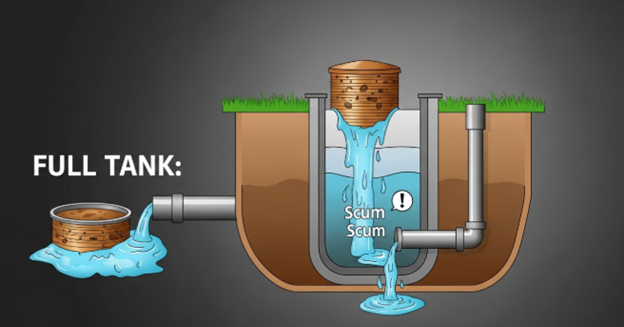
Skipped pumping schedules and growing households overload tanks, forcing gases and wastewater backward.

Clogged or Broken Vent Pipe

Leaves, nests, or collapsed vent stacks prevent gases from escaping through the roof.

Drain Field Failure

Soil saturation stops wastewater absorption, causing odors at ground level.

Blocked or Dry Plumbing Traps

Unused sinks or floor drains lose water seals, allowing sewer gases indoors.

Tree Root Intrusion

Roots crack pipes and tanks, releasing odors and wastewater.

Chemical Damage to Beneficial Bacteria

Bleach, drain cleaners, and antibacterial soaps kill bacteria that digest waste.

Cracked Lids or Failing Seals

Damaged access ports let gas leak directly into the yard.

Real-World Plumber Case Study — Florida Homeowner With Septic Odor Problems

A Tampa-area homeowner reported strong rotten-egg smells after summer storms especially near the patio and guest bathroom.

Inspection uncovered:

  • Waterlogged drain field from heavy rainfall
  • Collapsed roof vent pipe
  • Septic tank overdue for pumping by six years

How Professionals Diagnosed It

  • Smoke test through plumbing vents
  • Sludge-level measurement
  • Soil saturation probes
  • Camera inspection

Repairs Performed

  • Emergency tank pumping
  • Vent stack replacement
  • Drain field aeration
  • Water-use restrictions during recovery

Within days, odors disappeared. A new maintenance schedule plus Florida-specific wet-season precautions prevented recurrence.

Health Risks of Septic Smells You Shouldn’t Ignore

Septic odors aren’t just unpleasant:

  • Hydrogen sulfide: headaches, nausea, dizziness
  • Methane: explosion hazard in confined spaces
  • Mold growth: moisture buildup indoors
  • Groundwater contamination: bacteria infiltration
  • Respiratory irritation: especially in children and seniors

Persistent smells always justify professional evaluation.

What to Do If Your Septic Tank Smells

Step 1 — Identify Where the Smell Is Coming From

Inside fixtures? Yard? Patio? Drain field?

Step 2 — Check Drains and Plumbing Traps

Run water in unused sinks or floor drains.

Step 3 — Inspect the Yard and Tank Area

Look for soggy soil, cracks, or exposed lids.

Step 4 — Look for Standing Water or Lush Grass

These often mark drain field trouble.

Step 5 — Confirm Last Pump-Out Date

Most systems need service every 2–5 years.

Step 6 — Call a Licensed Septic Professional

Odors rarely resolve permanently without expert inspection.

Step 7 — Implement Repairs and Maintenance Schedule

Fix structural issues and plan routine service.

How Professionals Diagnose Septic Odor Issues

Experts rely on:

  • Camera line inspections
  • Smoke vent testing
  • Drain field probes
  • Sludge depth gauges
  • Soil percolation checks
  • Pressure distribution analysis

These tools pinpoint failures before catastrophic collapse.

Septic Odor Fixes — What Actually Works

  • Scheduled pumping
  • Vent repairs
  • Drain field restoration
  • Root removal
  • Lid replacement
  • Controlled bacterial restoration (not miracle additives)
  • Reduced water loads

Septic Smell Causes vs Solutions vs Severity

Cause Smell Location Risk Level Typical Fix DIY or Pro?
Full tank Yard & drains High Pumping Pro
Clogged vent Bathroom Medium Vent cleaning Pro
Dry trap Sink Low Add water DIY
Drain field failure Yard Severe Field repair Pro
Root damage Yard High Excavation Pro

How to Prevent Septic Tank Smells Long-Term

  • Pump every 2–5 years
  • Use water efficiently
  • Choose septic-safe toilet paper
  • Avoid wipes and grease
  • Protect drain fields from vehicles
  • Schedule annual inspections
  • In wet climates like Florida, divert storm runoff away from the field

FAQs About Septic Tank Odors

Do septic tanks smell all the time?

No. Persistent odor means malfunction.

Can septic smells make you sick?

Yes hydrogen sulfide and bacteria pose health risks.

Do septic tanks smell after heavy rain?

Flooded drain fields frequently trigger odors.

Do septic tanks smell inside the house?

Yes, especially with vent blockages or dry traps.

How long do septic odors last?

Until the underlying problem is fixed, sometimes days, sometimes months.

Can additives stop septic smells?

Rarely. Structural problems require mechanical repair.

Does a new septic tank smell?

Only briefly after installation, not long term.

Is septic odor an emergency?

Yes if accompanied by backups, standing water, or strong sulfur smells.

When to Call a Septic or Plumbing Professional Immediately

  • Sewage backups
  • Persistent sulfur odor
  • Yard flooding
  • Multiple drains affected
  • Gurgling fixtures
  • Visible wastewater

Conclusion — Do Septic Tanks Smell and What Smart Homeowners Should Remember

So, do septic tanks smell? A functioning system should not. Odors are warning signs, not normal conditions. By maintaining pumping schedules, conserving water, protecting drain fields, and scheduling professional inspections with trusted experts like A to Z Statewide Plumbing, homeowners avoid major repairs and preserve property value.

If smells appear, act quickly. Early diagnosis saves thousands and keeps your home safe, sanitary, and odor-free.

This post first appeared on http://www.atozstatewideplumbing.com

Are Water Softeners Bad for Septic Tanks?

Hard water and septic systems are two realities many homeowners especially in Florida, Texas, and rural areas deal with every day. When scale buildup starts clogging pipes or ruining appliances, installing a water softener often leads homeowners to start researching septic tank services to make sure their system can handle the change. But then another question follows fast:

Homeowners worry about salt killing bacteria, flooding drain fields, or violating county codes. As a plumber who has worked on hundreds of septic-connected homes particularly across Florida’s sandy coastal neighborhoods and high–water-table zones I can tell you the truth is far more nuanced than internet myths suggest.

Let’s break it down clearly, scientifically, and practically.

Short Answer: Are water softeners bad for septic tanks?

No, properly sized and modern water softeners are usually safe for septic systems.

However, they can contribute to problems when:

  • The softener is oversized or outdated
  • Regeneration runs too frequently
  • Excess salt is used
  • The drain field is already failing
  • The septic tank is undersized or neglected

They’re typically completely safe when:

  • A demand-based system is installed
  • Salt use is reasonable
  • The drain field is healthy
  • Discharge is routed correctly
  • The tank is pumped regularly

Key Variables That Matter Most

  • System size: Small tanks are easier to overload
  • Regeneration type: Metered systems beat timer-based units
  • Salt usage: Too much sodium can affect soil structure
  • Drain field condition: A saturated field is already vulnerable

Core Explanation: How Septic Systems and Water Softeners Work Together

How a Septic System Processes Wastewater

Every septic system relies on four stages:

  1. Tank separation: Solids sink as sludge; oils float as scum
  2. Bacterial digestion: Anaerobic bacteria break down waste
  3. Effluent exit: Clarified water leaves the tank
  4. Drain field filtration: Soil filters and treats wastewater

If too much water hits the system too quickly or if solids build up the drain field can flood and fail.

How Water Softeners Function

Water softeners remove calcium and magnesium through an ion exchange process. Hard minerals stick to resin beads while sodium or potassium ions replace them.

During regeneration:

  • Brine flushes minerals off the resin
  • Wastewater is discharged
  • New salt is drawn in

This discharge is what concerns septic owners.

Important factors:

  • Sodium vs potassium chloride
  • How often regeneration happens
  • Total gallons released per cycle

Are Water Softeners Bad for Septic Tanks According to Plumbers and Research?

Most septic professionals and manufacturers agree on three points:

  • Salt levels from residential softeners are not high enough to sterilize a septic tank
  • Hydraulic overload not chemistry is the bigger threat
  • Modern demand-initiated systems dramatically reduce water use

Wastewater studies and EPA-adjacent research have shown septic bacteria adapt quickly to sodium concentrations typical of household softeners.

County plumbing codes in Florida often allow softener discharge into septic systems as long as the tank and drain field meet sizing standards and no surface pooling occurs.

Are Water Softeners Bad for Septic Tanks in Florida’s Sandy Soil Conditions?

Florida deserves special attention.

  • Sandy soils drain quickly but can wash fines into trenches
  • High groundwater tables limit absorption capacity
  • Coastal zones flood easily during rainy seasons

Real Plumber Scenarios

Naples Home:
 A beachfront property had an oversized timer-based softener regenerating nightly. The septic laterals flooded during summer rains, and brine discharge pushed the system over the edge. Solution: replaced the unit with a metered system and reduced regeneration by 60%.

Orlando Property:
 Timed regeneration was causing weekend backups after heavy laundry use. Switching to demand-based cycling and adding a flow restrictor eliminated the issue within weeks

Potential Problems Water Softeners Can Cause

Excess Hydraulic Load

  • Nightly regeneration on timer systems
  • Older tanks with limited capacity
  • Ponding above the drain field

Salt Concerns

  • Sodium can slightly tighten clay soils
  • Sandy soils are less affected
  • Vegetation above drain fields may suffer

Bacteria Disruption: Myth or Fact?

Most research shows normal residential softener discharge does not kill septic bacteria. Soap, bleach, antibiotics, and grease are far more damaging.

When Water Softeners Are Actually Safe for Septic Tanks

They work best with:

  • Demand-initiated regeneration
  • Proper sizing for household usage
  • Healthy drain fields
  • Aerobic or advanced treatment units
  • Routine pumping schedules

How to Run a Water Softener Safely With a Septic System

Step 1: Identify Your Septic Tank Size and Age

Most homes use 1,000–1,500 gallon tanks. Older systems may be undersized.

Step 2: Check Your Softener Type

  • Timer-based: regenerates on schedule riskier
  • Meter-based: regenerates only when needed preferred

Step 3: Inspect Regeneration Frequency

Anything more than once or twice weekly in average households deserves review.

Step 4: Route Discharge Properly

  • Connect to approved drains
  • Avoid surface dumping
  • Follow county plumbing rules
  • Florida jurisdictions often require indoor connection, not yard release

Step 5: Choose the Right Salt

Type Pros Cons
Sodium Chloride Cheapest, effective Adds sodium
Potassium Chloride Septic- and plant-friendlier Costs more

Step 6: Schedule Septic Inspections

  • Pump every 3–5 years
  • Watch for backups or soggy soil
  • Check baffles and filters

Water Softener Setups and Septic Impact

Softener Type Regeneration Style Septic Risk Level Best For Plumber Notes
Timer-Based Fixed schedule High Old homes Common in failing drain fields
Demand-Based Metered use Low Modern homes Florida plumbers prefer
Salt-Free Conditioner No regeneration None Sensitive systems Doesn’t truly soften
Dual-Tank Softener Alternating Very Low Large families Avoids surges

Real-World Plumber Scenarios From Florida

Case Study 1: Tampa Home With Pool and Septic Backup

  • Six-person household
  • Nightly regeneration
  • Pool drain tied into septic
  • Drain field saturated

Fixes:

  • Upgraded to demand-based softener
  • Added flow restrictor
  • Adjusted regeneration timing

Case Study 2: Fort Myers Success Story

  • Correct sizing
  • Potassium salt
  • Annual inspections
  • Five years, zero septic issues

Other Factors That Hurt Septic Systems More Than Softeners

  • Pouring grease down drains
  • “Flushable” wipes
  • Marathon laundry days
  • Roof drains tied into sewer lines
  • Irrigation overspray soaking trenches

Signs Your Septic System Is Being Stressed

  • Slow drains
  • Gurgling pipes
  • Sewage smells
  • Wet lawn patches
  • Toilets bubbling

FAQs About Water Softeners and Septic Tanks

Do water softeners kill septic bacteria?
 No normal household discharge isn’t strong enough.

Is potassium chloride better for septic systems than sodium?
 Often yes, especially near vegetation.

Can I discharge my softener outside instead of into septic?
 Usually not many counties prohibit surface dumping.

How often should a septic tank be pumped if I have a softener?
 Every 3–5 years, sooner for large households.

Are salt-free water conditioners safer for septic tanks?
 They pose no hydraulic risk but don’t remove hardness.

Do Florida codes restrict softener discharge?
 Some counties regulate routing and tank sizing.

Will a softener shorten drain field life?
 Only if the system is already stressed or improperly installed.

What size softener is best for homes on septic?
 Based on water hardness and household size not guesswork.

Professional Recommendations From a Licensed Plumber

During service calls, plumbers typically:

  • Measure hardness levels
  • Inspect septic filters
  • Verify discharge routing
  • Calculate regeneration volume
  • Look for yard saturation

Red flags homeowners shouldn’t ignore:

  • Frequent backups
  • Standing water
  • Overuse of salt
  • Nightly regeneration

Conclusion: Are Water Softeners Bad for Septic Tanks? Final Verdict

Most homeowners can safely use water softeners with septic systems especially when working with professional septic tank services as long as the equipment is modern, properly sized, and professionally installed, such as with A to Z State Wide Plumbing.

Worry when:

  • Your drain field is already wet
  • Regeneration runs constantly
  • You’re using excessive salt
  • Your tank hasn’t been pumped in years

Don’t worry when:

  • You use a metered softener
  • Your septic system is healthy
  • Maintenance is routine
  • Plumbing codes are followed

When in doubt, call a licensed plumber or septic professional. A simple inspection can prevent thousands of dollars in drain field repairs and ensure your softener and septic system coexist peacefully for decades.

This post first appeared on http://www.atozstatewideplumbing.com

+1-877-959-3534