Why Does a Water Heater Need a Regular Flush?
 We recommend our customers have routine maintenance for their water heaters done every year. We include water heater service as part of our Ultimate Savings Agreement Plan, which provides you with excellent plumbing maintenance service each year.
One of the steps we perform to care for your water heater is a water heater flush and fill. The flush is one of the most vital maintenance tasks for a water heater. In fact, you’ve probably heard advice about having it done separately from other maintenance jobs. You may have even read advice on how you can do it yourself.
Before we go further to explain the water heater flush and why it’s important, please keep this in mind: don’t try to flush the water heater on your own. It’s simply too difficult and requires too many extra tools and training. Leave the job to us—we can do it fast and effectively.
What a Water Heater Flush Does
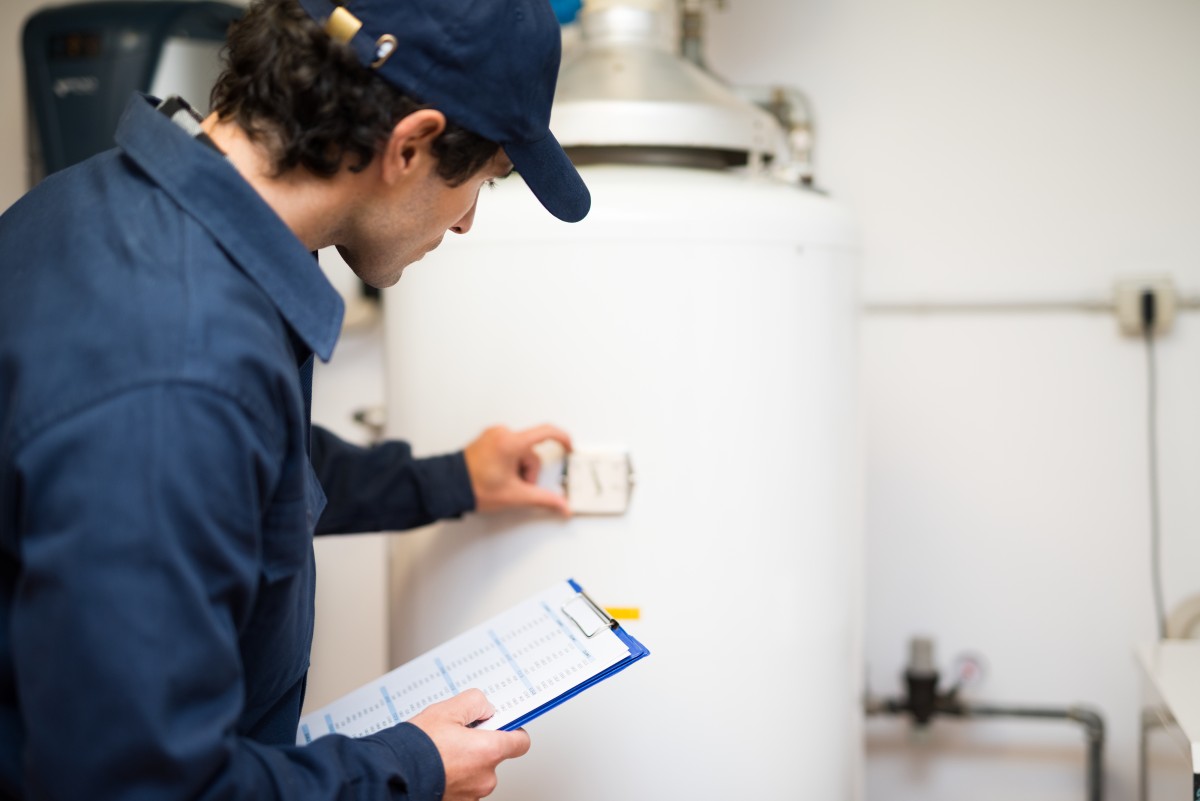
Flushing the water heater means our plumbers drain all the water from the tank, leaving it empty. Afterwards, we refill the tank with water from the standard water lines. The purpose of this is to remove the sediment in the tank. Any water heater with a tank will gradually accumulate sediment found in the water from the freshwater supply. The amount of sediment is higher in areas that have hard water (which is common in the Phoenix area).
Why the Tank Flush Is Beneficial
There will be some level of sediment in the tank, no matter if the water supply has hard water or not. Flushing out this sediment is important because of these benefits:
- It extends the service life of the water heater. Sediment can cause a water heater to overheat, and this is especially true in the case of hard water, which allows limescale to develop along the walls of the tank, trapping heat inside. It also encourages corrosion, which will bring an end to a water heater’s lifespan years early.
- It improves water heater energy efficiency. A layer of sediment along the bottom of the tank forms an insulating layer between the burners and the water. This makes it harder for the burners to raise the temperature of the water and instead expends extra energy to do the job.
- It prevents repair issues. You can’t stop all repair problems thanks to a tank flush, but you’ll stop many that come from spikes in pressure, temperature, and general overwork that sediment causes.
- It keeps water volume at its maximum. Sediment takes up space that should go to hot water. the more that builds up, the less hot water you’ll have at any given time.
- It makes the water heater run quieter. Rumbling and popping sounds from a water heater tank are usually due to sediment issues.
When it comes to water heaters in Sun City, AZ, we’re the experts you can trust. If you haven’t arranged for your regular tank maintenance and flush for a while, put your trust in the Trusted Plumber team!
The Trusted Plumber serves Glendale, AZ and the surrounding areas. Call today to schedule plumbing maintenance to care for your water heater.
This post first appeared on https://www.thetrustedplumber.com
 When a flooding event occurs, the presence of water in the home can result in significant and expensive damage to your residence. After only a short period of exposure to water, building materials can be impacted in a way that can immediately undermine your home’s structural integrity. Wood that is consistently damp can begin to rot and lose its load-bearing capability. It can also warp and pull apart at joints and junctions and undermine your home’s foundation. Even more durable materials such as concrete and brick can be negatively affected by constant contact with moisture. The sump pump can help keep everything dry and structurally sound.
 So, springtime has come and almost gone, but while we’ve got a few weeks left of beautiful mild temperatures, we’d ask you to seriously consider signing up for AC maintenance. It’s one of the most beneficial and proactive services we offer, and it’s really something that homeowners don’t take advantage of enough. AC maintenance is absolutely vital for the longevity and perseverance of your system into old age—and if you care at all about the condition your system is in, you’d schedule it for this spring.
 When you think about all the things that could possibly go wrong with your plumbing system, hard water is not likely something comes to mind. Why? Well for one, things like burst pipes, clogged toilets, and leaky faucets often take precedent. And secondly, many of us are just accustomed to having hard water in our homes.


 Modern tankless water heaters can bring tremendous convenience and energy efficiency to homeowners. As a result, tankless water heaters are rapidly becoming a popular option for many who want to avoid the time tested traditional of running out of hot water at the wrong moment. A tankless water heater, as the name would suggest, is an appliance that can instantaneously heat water on demand without the traditional tank used to store the heated water. Because the water is heated as it passes through the appliance, there is no need for tank storage. Most companies offering bathroom or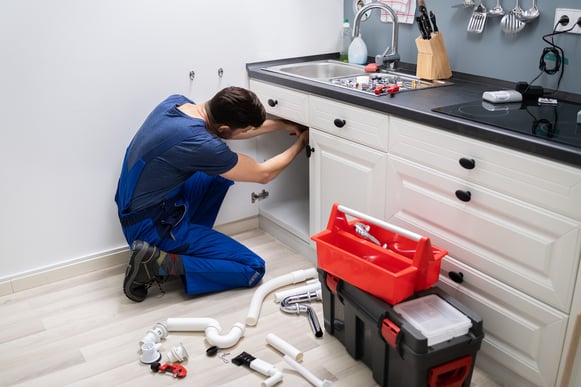
 The tankless water heater has been around for more than a century. But not until the last few decades did the technology reach a point where installing one in a house made for a viable alternative to the standard storage-tank water heater. Because many people still know little about tankless water heaters, a number of myths and misconceptions about them have popped up.