5 of the Best Ways to Improve the Life of Your Plumbing

5 of the Best Ways to Improve the Life of Your Plumbing

pipe-about-to-burstIt’s silly to ask you how long you want the plumbing in your house to last. The answer is the same: “For as long as possible.” Maybe you’d like to say “Forever!” but of course no plumbing system will last forever, even with the best technology available for installing and repairing it. 

We want to help you have plumbing in Avondale, AZ that does last as long as possible. There are ways you can get started right now to see that the pipes in your house have few repair needs, and there are also jobs we can do that will help. Below we’ll look at five of the best ways you can give your plumbing pipes a long service life with minimum repairs.

#1. Never use drain cleaners!

Those store-bought bottles of chemicals that claim they can unclog your drains? They may offer temporary fixes for some clogs, but they are terrible for the drainpipes and sewer lines. The problem with them is their acidic action keeps going after it eats away at a clog, and the residue can remain for a long time, chewing away at the pipes. Get rid of clogs with a plunger or call us for professional drain cleaning rather than use these “cleaners.”

#2. Move fast to have leaks fixed

A small drip from a pipe may not seem too bad. But leaks get worse, they grow, and as they do, they also cause damage to the pipes. (As well as the building material around them.) If you have a noticeable pipe leak, call for it to be repaired. We recommend leak detection to see where else in the plumbing there may be leaks.

#3. Proper care of what goes down the kitchen drain and toilet

We’ll put these together because the lesson is basically the same: you can’t throw just anything down drains in your house. The garbage disposal isn’t meant for actual garbage, and neither is the toilet. With the kitchen sink, don’t put in any of the following: fats, oils, grease, stringy vegetables, rice, onion peels, bones, coffee grounds, anything non-organic. With the toilet, all that should go in it is human waste and toilet paper. “Flushable” wipes are out of the question: few things can wreck your plumbing quicker.

#4. Call us for regular drain cleaning

Drain cleaning isn’t just a job for when you’ve got a clog emergency. It’s a fantastic annual maintenance service that not only prevents clogs, it removes the residue inside the pipes that can lead to long-term damage. Just like cleaner engines run better and last longer, cleaner drains work better and last longer.

#5. Adjust water pressure if its too high

The water entering your home may be at too high a pressure: you don’t want the water pressure to be higher than 85 psi. High water pressure wears down on pipes and appliances. You can call us to check on your water pressure, and if it’s too high, we can install a water pressure regulator to get it down to a safe level. 

The Trusted Plumber serves Glendale, AZ and the surrounding areas. Schedule any plumbing service you need with us!

This post first appeared on https://www.thetrustedplumber.com

Are Tree Roots in Your Sewer Line?

Trees enhance the beauty of any home, and can also help increase property value. But if their roots intrude into your sewer line, they’re a liability that can be costly to remove, and have the potential to cause major damage if undetected. As covered in our blog post – “The Importance of Maintaining a Clean Sewer” – sewer pipes have the disadvantage of being underground, truly out of sight and too often out of mind. Recognizing the trouble signs, removing roots and preventing roots from getting into your sewer line in the first place are essential to preventing a costly and unsanitary emergency.

How Tree Roots Invade Sewer Pipes

Trees growing near the underground sewer line on your property send out long feeder roots in search of nutrients. Because a sewer pipe contains water and organic waste, it’s a natural target. As stated in an article by the good people at Apollo Home, “… almost any pipe with seams is ripe for an aggressive tree root invasion. Once they intrude into the pipe, clogs form due to expanding root growth.”

However, this isn’t obvious during the initial stage. According to Wm. Henderson Plumbing, Heating & Cooling, there are two additional stages to tree root invasion.

“In the second stage, the roots start to grow thicker and branch out because they have access to the proteins and other nutrients inside the sewer line – it’s basically powerful fertilizer for the tree roots. The tree roots in the sewer line will eventually start to catch onto larger pieces of waste such as toilet paper that will create clogs. This is the point when you’ll start to notice issues in the house, such as slow drains or strange odors from the drains.

“The third stage is where the pipeline is in critical danger due to the roots in the sewer line. The rapid root growth will eventually build up enough pressure to cause a sewer line breakage.”

How Can You Tell if Roots are in Your Sewer Line?

As previously mentioned, slow drains or sewerage odor in the house are the first warning signs. Also be aware of gurgling sounds from toilet bowls. While all of these symptoms can indicate other plumbing problems, eliminating these possibilities will leave tree root invasion as the probable cause.

The only way to definitively diagnose the cause is to call a plumber to have the drain and sewer lines inspected. A plumber can inspect your drain pipes by running a camera probe through them to locate damaged areas. When the inspection is complete, the plumber will make recommendations. For areas with major tree root damage, the lines may need to be replaced.

How to Remove Roots – and Prevent Them in the First Place

The majority of Florida homes are constructed with cast iron, galvanized or clay sewer pipes. To prevent root invasion, the best solution is to plant trees far from your sewer line. However, if you have mature trees on your property, they may be close enough to do damage.

According to Pipelining Technologies, Inc., “One of the biggest issues related to sewer pipes repairs today is negligence and a lack of proactive maintenance. Regularly monitoring the status of the sewer system is essential, as some of the most glaring issues are clear to those who pay a bit of attention to the state of their water systems in their homes or place of work.”

Popular Mechanics recommends the following techniques to prevent tree root intrusion:

  • Create a barrier between trees and sewer lines – Several types of barriers are available to discourage root growth into sewer lines. Slow-release chemicals – such as copper sulfate and potassium hydroxide – are commonly used in residential properties. Spread these growth inhibitors near the sewer line to prevent root growth into the area.
  • Use physical barriers – Metal or wood barriers buried six to 12 inches deeper than the pipe and running vertically next to sewer lines will also stop roots from getting at the pipes.

Removing tree roots is not a DIY project. There’s a possibility of damaging the pipe further, or finding that the pipe is so far gone that it needs to be replaced – which is not within the wheelhouse of most people, no matter how many YouTube plumbing tutorials you watch. Also, many people tend to overestimate their physical ability to dig and perform this type of labor-intensive repair. Trying to save money isn’t worth risking injury or your health. This is definitely a job that needs to be left to the pros!

If you suspect that tree roots are clogging your sewer line, call Adams and Son Plumbing. We are a family-owned business with over 60 years of serving Central Florida homes and businesses. A state-certified plumbing contractor, we have over three generations of master plumbing experience.

Contact us to learn more, and to schedule maintenance, as well as repairs of minor problems to prevent emergencies.

The post Are Tree Roots in Your Sewer Line? appeared first on Adams and Son Plumbing Services.

Water Heater Maintenance – Cold Weather Shouldn’t Have To Mean Cold Showers

Water Heater Maintenance – Cold Weather Shouldn’t Have To Mean Cold Showers

Winter is supposed to be a time that is spent playing in the snow, building snowmen, and spending time with family members and friends during the holidays. At the same time, if you have an issue with your water heater, then this can put a damper on your holiday celebrations quickly. To make sure that you, your family, and your guests are able to enjoy hot showers, you need to keep a few hot water heater maintenance tasks in mind.

Check the Pressure Range on Your Hot Water Heater

You should check to make sure that your hot water heater is at the right pressure. The normal pressure of a hot water heater is between 50 and 100 PSI. If the pressure is too low, this could be a sign that your hot water heater has a leak somewhere. In this situation, it is a good idea to reach out to trained professionals for help.

Check the Anode Rod in Your Hot Water Heater

Make sure that your anode rod is intact. Your anode rod sits in the hot water tank and attracts minerals to it that would otherwise corrode the tank of your hot water heater. If the anode rod is coated with calcium, then it is time to replace it. Lift the anode rod out of the tank and take a look at it. If the anode rod is less than half an inch in diameter, then it is time to get a new one.

Flush Your Hot Water Heater

Finally, make sure that you flush your tank this winter as well. This will prevent your hot water heater from collecting sediment. Attach a hose to the drain valve and then let the water drain out of the tank into a bucket. This will remove most of the sediment from the tank.

Contact the Experts for Water Heater Maintenance

Finally, you should also get your hot water heater inspected this winter. That is where can help. Contact the professionals at A to Z Statewide Plumbing today at 954-981-2133!

Trending Topics Right Now

Aaron Atkins

Delivering exceptional customer service is first and foremost, but, when he is not focused on supplying your home or business with the highest level of customer support, Aaron prefers to lace up the running shoes and pound pavement for hours on end. Originally hailing from the snowbelt of Pennsylvania, Aaron currently resides in sunny South Florida with his wife and three children.

This post first appeared on http://www.atozstatewideplumbing.com

Hot Water Heater Repairs: 6 Warning Signs You Need a New Hot Water Heater

Did you know that an estimated 8% of households replace their water heaters every year?

With more than 7.8 million water heaters replaced every year, you may be wondering if it’s time to replace or to repair your water heater. Are you thinking about getting hot water heater repairs in Toronto? We’re here to break down the top five warning signs that your hot water heater will display when it’s time for a replacement.

Keep reading to learn more!

1. Outdated Unit

One of the biggest signs that you need a new hot water heater is that you’ve got an outdated system on your hands. The older that your hot water heater is, the more likely there’s going to be a chance where you have a major malfunction in the operation of your hot water heater.

You can identify your hot water heater’s age by finding the manufacturer’s sticker on the system. The first two numbers in the serial number for the hot water heater should identify the year that the system was made.

However, this information will vary for each hot water heater manufacturer. Instead, you should look up the website that the manufacturer has to identify the information you need to see how old your system is.

If you find out that your hot water heater is more than ten years old, it’s time for you to get a new system. While you need to practice basic maintenance on your system every year, replacing your hot water heater every ten years is essential. This is because it will ensure that there isn’t as high of a possibility of your system failing because of the water heater’s age.

2. Noisy When in Use

Another telltale sign that your hot water heater has to be replaced soon is that it’s noisy when it’s in use. If you’re finding that your hot water heater is making a lot of rumbling noises, it’s time to seek out a replacement.

A hot water heater will start making a lot of noise when there has been a sediment collection located at the bottom of the water tank. Over time, this collection of sediment will begin to harden up, wasting the energy that your hot water heater has to use to heat up the water inside of the tank.

You may also identify a banging noise coming from your water heater. This is also common, so be sure to contact your local plumber to get a hot water heater replacement in your home.

3. Leaking

When the metal in your water heater heats up, it’ll begin to expand. Over time, there will be small cracks and fractures that develop in the water heater. This can result in leaks developing throughout the entirety of your hot water heater.

While a small leak may be hard to detect, overtime, there’s a chance that this leak will turn into a bigger problem for you. A medium-sized or large leak can cause your home to flood, causing you thousands of dollars in expensive repairs.

Before you call a plumber to have your hot water heater replaced, make sure that the tanks’ fittings and connections are tightly on. Also, be sure to take a look at the pressure overflow pipe to make sure that this isn’t where the hot water heater leak is coming from.

If you do end up finding a leak in your hot water heater, please contact your local plumber immediately.

4. Discolored Water

Does your water turn a rusty color when you turn the hot water on? If you’re finding that when your hot water is on in your sinks or showers, it’s a sign that you’ve got a problem with your hot water heater. Make sure to run a test, by turning on only the hot water in your sink or shower to be confident that you have discolored hot water.

Another sign that you should be aware of is the water having a metallic taste or looking muddy. These are signs that there’s a sediment collection in your hot water heater, which means that you should get your system replaced immediately.

5. Running Out of Hot Water

Are you finding it impossible to run the dishwasher and a shower simultaneously because there just isn’t enough hot water?

If you said “yes” to this question, it’s time for you to call up your local plumber and have your hot water heater replaced. Since sediment is building up on the bottom of your hot water heater, there will be less space for the water to stay inside of the tank. Over a collection of many years, a large amount of sediment can leave your tank with very little room for any hot water.

6. Too Many Repairs

If you’re calling your plumber several times a year to come to take a look at your hot water heater, it may be another sign that you need to have your hot water heater replaced. Keeping track of how often you’re having repairs performed on your water heater will give you a better understanding of if your current system has reached the end of its life.

You shouldn’t have your hot water heater fixed more than once or twice a year. Instead of investing your money into having your current water heater repaired, you could take the same resources and have the entire system replaced.

If you’re unsure if you should get your hot water heater replaced or keep moving forward with their repairs, talk to your local plumber. They’ll be able to best direct you on whether or not you should have your system replaced.

Hot Water Heater Repairs and Replacements

By understanding what the telltale signs of your system needing hot water heater repairs or replacements, you can prevent your existing unit from causing catastrophic damage to your home. Depending on your unique situation, working with your plumber will help you to get an idea of if your system needs a few repairs or if you should invest in a replacement.

Are you in need of hot water heater repairs in Toronto? We’re here to help you! Click here to contact us today to get estimates or expert advice.

The post Hot Water Heater Repairs: 6 Warning Signs You Need a New Hot Water Heater first appeared on Anta Plumbing Blog.

This post first appeared on https://blog.antaplumbing.com

5 Ways to Improve Your Plumbing Today

We get it, this is your last straw. You’ve been plunging your toilet, snaking your slow drains, and now nothing seems to be permanently getting better. What gives? Nobody else you know deals with nearly this much difficulty in their plumbing system.

Well, perhaps your neighbors and friends do, they just work with the right plumbing team to make things less stressful. A plumber in Clifton, NJ doesn’t have to be a last-minute call all the time, they can help with preventative maintenance and keeping your plumbing in good condition going forward.

Our team can be the one that helps you stay stress-free and keeps your plumbing running well. We’ll talk about five ways to improve your plumbing and why our team is the one to call. Seriously, don’t hesitate on this kind of service.

Preventative Maintenance

Were you unsure that preventative maintenance for plumbing was a thing? Don’t worry, you’re not alone. Too many homeowners believe that plumbing should just be a service that you call for once every few years to get rid of a clog. The fact of the matter is that homeowners usually say they don’t need a plumber less than how often they actually do. It’s a real problem.

Preventative maintenance allows a plumber to inspect your plumbing system. They can preemptively clean drain clogs, ensure nothing is leaking, and really allow for maximum water pressure and efficiency. If your water heater or a specific set of pipes are about to go, we’ll let you know as soon as possible so you can schedule some part replacement. Sound like a good idea? Call us today!

Use Your Tools Correctly

If you’ve got a plunger and a drain snake, then perhaps you’ve been using them incorrectly this whole time. No, sometimes a professional plumber is needed even if you use these tools correctly, so don’t think they’re a replacement for professional plumbing service. Here’s what you can do to change things up and ensure you’re getting the best from your plumbing equipment.

Drain Snake

Drain snakes can be made out of all types of materials. Some of them are metal wire, and some of them are plastic. What’s important is that you use the right-sized one for your sink or drain. Don’t forget that our professionals also have industrial-grade equipment that includes drain snakes.

The Right Sized Plunger

Is your plunger the right size for your drain? After all, it’s supposed to create a tight seal that allows the pressure to increase and decrease in your pipes as you use it. If not, you’ll probably notice by the fact that it doesn’t work well in alleviating clogs. Try using a plunger that’s the right size. You can ask us what that size might be!

Work with the Right Team

Working with a plumber doesn’t have to be an obnoxious experience. We have quality service and an honesty policy that’s really not available by any competitors in our area. We might be a smaller local company, but the customers that we do help know about the superb job we perform.

Call MarGo Plumbing Heating Cooling Inc. We’ve got you covered.

This post first appeared on https://margoplumbing.com

It’s Time to Repair Your Water Heater

When was the last time you thought of your home’s water heater? We’re challenging you to take some time to think about it today. Your water heater tends to be one of those appliances that you take for granted until something goes wrong with the unit. If you’re looking for better water heater service, it’s a great idea to start with the help of our professionals.

If you’re looking for a great water heater in Orlando, FL, we’re going to help you get the work you need. Your water heater work doesn’t have to be complicated, but you don’t want to undersell its importance. Make sure our professionals provide the expert services you need–we’ll take care of you every step of the way.

When to Repair

Here are the signs that you have a need for water heater repair work. We’re here to help you out when you need it.

1.      Irregular Water Temperatures

Does your home’s water heater give incredibly hot water sometimes or cold water other times? Maybe sometimes you’re faced with lukewarm water when you’re looking for a colder or hotter temperature. Fluctuating water temperatures are a real issue and an indicator of a deeper water heater issue. You’re going to notice that the disparity only gets stronger and the problems only get more severe with time.

2.      Discolored Water

Is the water pouring out of your taps a little off in color? You might notice that your home’s water heater is a little tinged. This means that you might notice that your water is a little dingy, grey, or rusty. It might even lean a little red or orange. Discolored water is a bad omen. It means that your home’s water heater is probably deteriorating on the inside and it’s going to hurt your water heater in the long run.

3.      Running Out of Hot Water

You’re in the shower lathering up under a nice hot stream of water and then *bam* a stream of cold water ruins your entire shower. Running out of hot water is a sign that you have low hot water heater capacity.

4.      Odd Noises

Have you heard a little noise coming from your home’s water heater? You might hear sounds like rumbling or popping coming from your home’s water heater. This is a bad sign. This means that you have sediment calcified at the bottom of your home’s water heater and it’s struggling to perform. This means that you’re going to need water heater repair work.

5.      Outward Signs of Corrosion

Have you noticed some outward signs of corrosion with your home’s water heater? We are referring to visible indicators of corrosion such as rust or any other markers of wear and tear. Corrosion is a water heater problem. This is a major sign of your water heater breaking down. You need to make sure that your water heater can last through the upcoming winter season. We’re going to help you through it.

Contact Modern Plumbing Industries, Inc. today to schedule an appointment with our team members. Proudly Serving Central Florida Since 1975.

This post first appeared on https://www.modernpi.com

5 Tips On How To Snake Your Own Drain

Snaking a drain

Whether you come across a clog in your kitchen sink or a back-up in a shower drain, it can easily put a damper on your day. The last thing you’re going to want to do is spend hours getting your plumbing back in working order. However, with a few simple tools, trusty methods, and a little practice, you can become an expert at doing away with pipe-clogging debris.

Learn how to snake your own drain just by following our DIY tips and fix your clogged drain in no time! 

When Would You Need Snake Your Own Drain? 

Knowing how to snake your own drain is important for when you’re facing a plumbing emergency. A drain snake, also known as a hand auger, is a tool used to clean out clogged in smaller drains such as the bathroom or kitchen sinks. For larger pipes, such as your toilet, you may need a larger toilet auger to do the job. 

Debris, such as food, hair, or soap scum, can easily clog up your smaller drains in the drain pipe or in the u-shaped trap directly beneath the sink. These clogs are generally minor and can be solved with a simple DIY snake drain fix. If the clog appears to be solid and cannot be removed by the snake drain, or if you notice the drain trap and pipes were clear despite having a clogged drain, then you may have a more serious plumbing problem on hand that should be reserved for a professional plumber. 

Five Tips On How To Snake Your Own Drain

Follow these guidelines for how to snake your own drain and you’ll become a pro at solving your own plumbing problems with a drain snake!

Tools For the Job

To snake your own drain, the most important tool you’ll need is, obviously, a drain snake. If the clog seems insignificant enough though, you might not want to go out and spend the money on such a tool. If this is your predicament, then grabbing a coat hanger from the closet may very well do the job just fine. Simply disassemble the coat hanger so that it becomes a long, fairly straight strip. But, it’s important to keep the original hook-shape on the end – it’ll be good for catching any debris, deep down in the drain. You might want to make the hook a bit narrower though, so it can fit down the pipe properly.

If you happen to be dealing with a much more intense clog, chances are a clothes hanger just won’t do it. As already mentioned. you’re going to need a drain snake. For general usage, a 3/8 in, 20 ft-long model ought to work just fine for you. If your local hardware store seems to only have a 1/4 in, this will most likely work fine, too. While you’re at the store, pick up a plastic bucket to fit under your drain, along with a flashlight and rubber gloves.

Use The Drain Snake Properly

Many people think that since the tool is so simple, they can use it however they want and that there’s no correct way to use a drain snake. This just isn’t true. Following a specific procedure will actually yield the best results. 

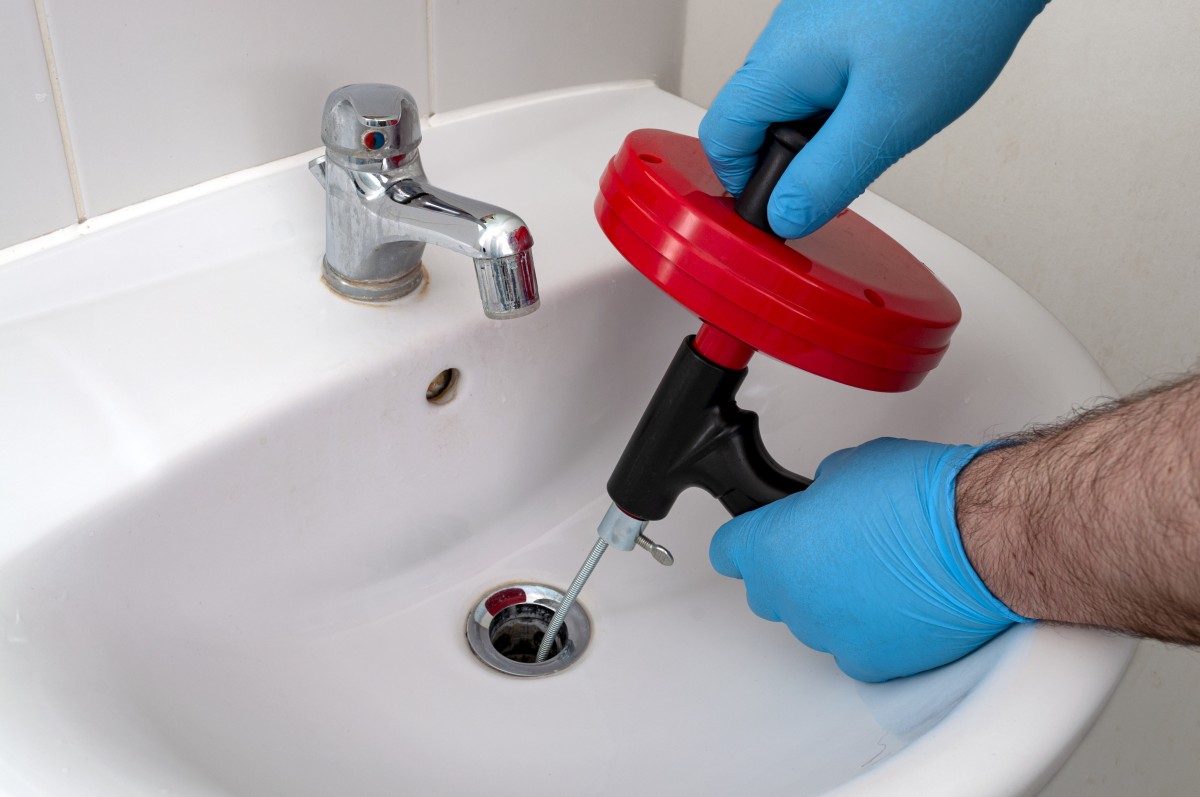
First, if you have a tub screen or a hair trap covering your drain, move it out of the way. Next, slowly push the snake cable into the drain, and turn the handle in a clockwise motion as you push. If you have difficulty pushing (perhaps because the drain is so clogged), trying holding the handle with both hands. While lowering the “snake” mechanism, alter your grip until it’s about two or three inches from the mouth of the drain – this will allow you to control your motion and get a better sense of the nature of the clog. 

On your way down to the obstruction, you might hear a decent amount of scratching, or it might seem as if the cable has hit a wall. At this point, you’re just coming upon a curve in the pipe – just keep pushing past it.

When you feel a significant amount of resistance, you know you’ve reached the particular barrier that has been giving you problems in your pipe. The clog ought to give way just the slightest bit though when compared to the resistance of the pipe itself, which shouldn’t give way at all.

Next, you should try to hook the clog. While continuing to turn the cable in a clockwise manner, ever so slightly pull up to see if you’ve gotten a hold of any of the debris. You should feel a bit more weight on the auger, if done correctly. Next, continue to prod the material in order to begin to break it up. After doing this for some time, you should eventually poke through the other end. If the clog just won’t allow you to puncture through it, it very well might be a solid object that you’ve initially hooked.

Pull the snake out of the drain very carefully so you don’t lose the clog hooked on the drain snake. After that, clean the debris off the snake with a towel as it comes out of the drain. Dump this excess debris into the bucket. Continue pulling up as much of the clog as you can until the snake is free!

Use Hot Water

If the drain still happens to be clogged, it’s a good idea to run hot water through it. Fill a standard sized tea kettle up with water, and put it on the stove until it reaches a point of almost boiling. Slowly pour that hot water down into the drain. It may take a few moments to rinse away the remnants of the clog, but with this method, it should begin to slow quickly. 

If the clog is in your shower drain, you may be wondering why you can’t just put hot water on through the showerhead. The problem is, besides that shower water often doesn’t get this hot,  showerheads often can’t shoot directly into the drain and at a close enough proximity to be truly effective. You will still need to pour the tea kettle water directly into the shower drain just like any other drain.  

Use A Homemade Concoction

If nearly boiling hot water still doesn’t seem to be doing the trick, you can always add a half a cup of baking soda and one cup of vinegar to hot water, pour it down the drain, and see what happens. Allow it to sit for fifteen minutes. This method is known to be extremely effective so, if you’re willing to part with a few of your essential baking elements, definitely give it a try!

Use Chemicals

As a last resort to unclogging a drain, you can always go the chemical route. Caustic soda (Sodium Hydroxide) is a harmful chemical substance that can definitely do a number on most of the debris that will end up in your drainpipe. Pour 3/4 of a gallon of cold water into a mop bucket, and then add 3 cups of caustic soda. Stir the mixture well, and it will soon begin to fizz. Next, pour it into the clogged drain and leave for 20-30 minutes, then flush it with pure hot water – repeat as necessary.

When to Call A Professional Plumber For Your Drain Clogs 

Have you followed all these tips and still have a clogged drain? If none of these options seem to yield any positive results for you, don’t be discouraged. It may be a difficult clog that a simple DIY cannot fix. At this point, it’s time to call a professional plumber to get your clogged drain back to working properly again.

Leave your difficult clogs to Express Sewer & Drain. Our expert plumbers can handle any plumbing problem you have, including stubborn clogged drains. Call Express Sewer and Drain today!

Dealing With Common Plumbing Problems

This post first appeared on https://www.expresssewer.com

Maintaining a Healthy Septic Tank

septic tank cleaning

If you live outside of a metropolitan area in Florida, you likely use a septic system to process your household’s waste water. The average American household uses around 80-100 gallons of water every day, for drinking, cooking, laundry, bathing and flushing the toilet.

While your septic system is relatively low maintenance, there are a few things you need to do to keep your system healthy and performing well for you for years to come. Maintaining a healthy septic tank means fewer repairs and expensive problems in the long run. To keep your system working well, we suggest…

1. Being smart about what you send to the tank. Think of your septic system as an independent eco-system. Putting things down the drain, such as bleach and harsh cleansers, will kill the “good” bacteria at work in your septic tank. In addition, greasy items, such as cooking oil and paint, will add a messy and unhealthy oily coating to the matter inside your system. For good suggestions on what you should and should not put down your drain with a septic system, take a look at this comprehensive list.

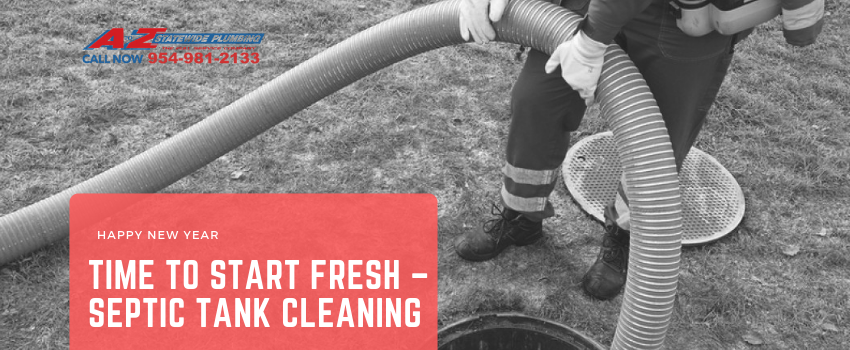
2. Having your tank pumped out regularly. Good septic tank maintenance includes having the sludge at the bottom of your tank pumped out periodically and hauled away. How frequently you do this depends on the size of your household, how much water your household uses and the size of your tank.

3. Saying no to the garbage disposal. A garbage disposal adds a lot of organic solids and grease to your septic system. Better to use a strainer and dispose of your food waste in your trash or your compost pile.

4. Pampering your drain field. Good septic maintenance includes never driving or parking a vehicle over the drain field, limiting landscaping in the drain field area and diverting rainwater run off from drain pipes and other systems away from the septic drain field.

To learn more about keeping your Florida septic system healthy and well-maintained, visit A to Z Statewide Plumbing’s septic tank services page or contact us at 254-981-2133.

Trending Topics Right Now

This post first appeared on http://www.atozstatewideplumbing.com

Do I Need a Professional Plumber to Handle Plumbing Maintenance?

plumberIf it’s time for you to schedule maintenance for your household plumbing—which we recommend you do once a year—how should you do it? There are four options:

  1. Do it yourself. It’s easy to book when you go DIY!
  2. Call a buddy who’s good with tools and knows a few things about plumbing.
  3. Look up a company with “plumber” or “plumbing” somewhere in its name. Anyone will do.
  4. Find a licensed professional plumber and schedule service with them. 

We know that options “A”–“C” are tempting, and far too many people take them. But the correct answer is “D.” Any other choice for a plumber in Glendale, AZ isn’t really a choice for a plumber. You want a licensed professional for the job and nobody else.

The good news is that you’re already on the website for a licensed professional plumber. We have a history of experience and trust with our customers, and we also have the proper licensing (License# ROC 276768). We’re called the Trusted Plumber for good reasons!

Why a Professional Is Essential for Maintenance

There are several important reasons why you should only entrust plumbing maintenance—or any plumbing service—to a licensed plumber. 

  • Insurance: To have a license, a plumbing contractor must be able to show it has the full insurance to cover property and personal damage. This is an essential protection for a consumer. If a non-insured “plumber” suffers an injury on your property while handling maintenance (and this is more likely to occur with a non-pro), you may be liable for the injury. The same goes for damage that may occur to your house—you may have to pay for damage done if an amateur ends up breaking one of the pipes or other accidents.
  • Equipment: Professionals have access to the best equipment and the training to use it. Amateurs might be able to afford a few high-end tools, but they won’t be on the cutting edge and they won’t know how to use them properly. This can be critical when it comes to maintenance because the best drain cleaning comes from using hydro-jetters. These tools can be dangerous in the hands of amateurs! Let the people with the right tools and the skill to put them to use handle the service.
  • Speed: This is a two-bladed sword when it comes to non-professionals—they may take far too long to do a job an amateur could achieve in half the time; or they may rush just so they can charge you and then dash off to the next sloppy job on their list. Professionals know how long a job will take because they’ve done it hundreds of times before: they’ll get it done right and get it done on time.
  • Accuracy: You can’t trust a non-professional to do a job correctly. You just can’t. You don’t know their experience or credentials and you probably don’t have any references. Once the maintenance is finished, you’ll have no reassurance that anything was accomplished or that your plumbing is better off than it started. With a professional, you’ll know you got the work you wanted.

The Trusted Plumber serves Glendale, AZ and the surrounding area. Schedule service with us—we offer emergency plumbing service. 

This post first appeared on https://www.thetrustedplumber.com

+1-877-959-3534