Month: July 2025

How to Maintain an Air Conditioning System
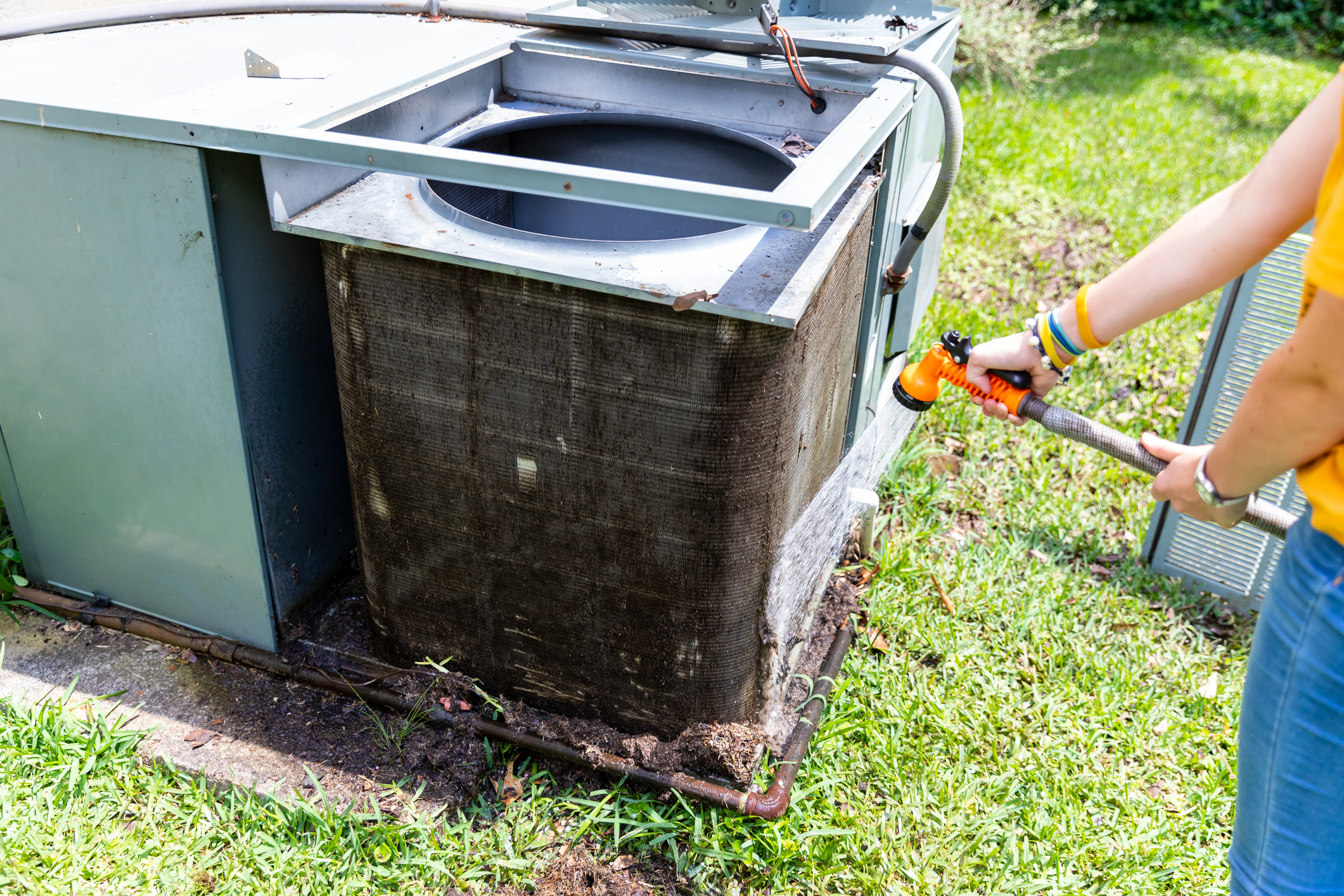
Person cleaning dirty condenser coils on an air conditioner systemKeeping your air conditioner in top shape means lower bills and fewer breakdowns. With a few simple steps, you can boost efficiency and catch issues before they become costly repairs.

At Len The Plumber Heating & Air, we’ve seen how routine care makes all the difference in home comfort and system lifespan. Read on for easy air conditioner upkeep tips and tricks.

Why Regular AC Maintenance Matters

AC maintenance matters because a clean, tuned‑up system cools faster and uses less power. According to the U.S. Department of Energy, a neglected air conditioner can use up to 15% more energy than one that’s regularly serviced.

When filters, coils, and fins stay clear of dirt and debris, the system doesn’t struggle to push air through. That saves you money on each electric bill and reduces strain on motors and compressors.

Regular air filter replacement also keeps dust and allergens out of your living space, improving air quality for allergy sufferers. Ultimately, routine HVAC maintenance keeps your home comfy and your pockets happy.

Key Components to Check During Maintenance

An effective HVAC maintenance checklist covers several vital parts.

  • Replace the air filter: A clogged filter chokes airflow and forces the unit to run longer.
  • Inspect evaporator and condenser coils: Dirt buildup on these metal fins reduces their ability to absorb and release heat. Check the aluminum fins themselves and use a fin comb to straighten any that are bent.
  • Clear the condensate drain line: Algae or condensation blockages can cause water damage and mold growth inside your home.
  • Test your thermostat: Ensure accurate temperature readings and replace its batteries if needed.

Skipping any of these checks can shorten the life of your unit and lead to avoidable AC repairs.

DIY Air Conditioning Maintenance Tips

You don’t need to be an HVAC pro to handle basic AC unit cleaning.

  1. Turn off the power at the breaker panel.
  2. Remove and inspect your air filter monthly during heavy use, and replace it if it looks gray or clogged.
  3. Vacuum dust off supply vents so that air can move unimpeded.
  4. Head outside and clear at least two feet around the condenser; trim back weeds, leaves, and grass to keep airflow strong.
  5. Use a hose‑end coil cleaner and a gentle rinse to wash debris off the outdoor coil.

By following these AC maintenance tips, you’ll keep your system healthy and ready for seasonal demands.

Signs Your AC Needs Professional Servicing

Even the best DIY care can’t catch every issue.

  • Watch for weak airflow from vents, which can signal a clogged evaporator coil or a failing blower motor.
  • Listen for unusual noises like grinding, rattling, or high‑pitched squeals. These often mean worn bearings, loose panels, or failing fans.
  • Pay attention to temperature imbalances in different parts of your home. Your ductwork might be leaking.
  • Don’t ignore an unexplained jump in energy bills. It suggests your AC system is working harder than it should.
  • Address ice forming on the refrigerant lines or evaporator coil. You likely have a refrigerant leak.

If you notice any of these warning signs, it’s time to schedule professional HVAC service. Experts can perform a full inspection, tighten electrical connections, and adjust refrigerant levels to restore peak performance.

How to Choose a Reliable HVAC Technician

Finding the right service pro starts with checking credentials. Look for a licensed, insured technician with NATE (North American Technician Excellence) certification, which shows they’ve passed industry exams.

Read reviews on Google, Yelp, or Angie’s List to see real customer experiences.

Before booking, call and ask a few key questions:

  • Do you offer service guarantees?
  • Do you perform comprehensive coil cleanings and refrigerant checks?
  • Can you provide a written estimate upfront?
  • What is your emergency service policy?

A trustworthy company will answer confidently and walk you through their maintenance process. With the right professional in your corner, you’ll get thorough, stress‑free service.

Why Should You Choose Len The Plumber Heating & Air?

Len The Plumber Heating & Air stands behind every job to ensure your satisfaction. Our certified technicians follow a detailed HVAC maintenance checklist that covers filter changes, coil cleaning, condensate drain clearing, and full system inspections. We service all brands, so we can help no matter what system you have.

From seasonal tune‑ups to emergency repairs, we deliver friendly, professional service that keeps your AC running smoothly.

If you are ready to boost efficiency, extend your AC’s lifespan, and avoid costly breakdowns, contact Len The Plumber Heating & Air today to book your next maintenance visit.

We’re available to service homeowners in Baltimore, Washington, D.C., Northern Virginia, New Jersey, Pennsylvania, and the Delaware Valley.

This post first appeared on https://lentheplumber.com
Does Homeowners Insurance Cover Plumbing? What You Need to Know

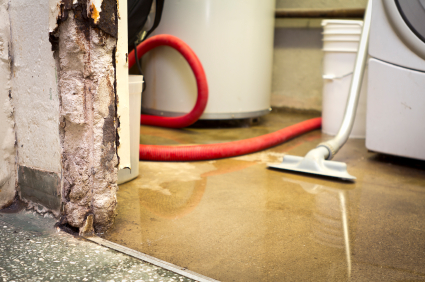
Water damaged wall in basement with shop vac hose next to puddle of water.When a pipe bursts or an overflow floods your floor, you may ask: Does homeowners’ insurance cover plumbing mistakes? Standard policies often cover the repair of sudden water damage to walls, floors, and cabinets, even if the pipe itself isn’t replaced.

At Len The Plumber Heating & Air, we help you navigate your coverage so you know which plumbing insurance claims make sense.

What Plumbing Issues Are Typically Covered?

Homeowners’ insurance water damage coverage usually kicks in for sudden, accidental events. If a frozen pipe bursts in winter, flooding your laundry room, or if a faucet supply line fails and soaks your kitchen ceiling, you’re likely covered. Most insurance policies will pay for fixing drywall and replacing damaged flooring. It also covers repairing structural issues caused by the damage.

It does not replace the old pipe itself, but it does cover the harm it caused. Accidental overflows, like a bathtub left running that floods the bathroom, may also qualify. The key is that the event must be sudden and unplanned. As long as it isn’t due to neglect or a slow leak, you can file a plumbing insurance claim for interior repairs.

Plumbing Problems Not Covered by Homeowners Insurance

Home insurance plumbing exclusions include wear and tear and poor maintenance. If a hidden drip eats away at a pipe or if an old fitting springs a leak after years of service, the insurer will likely deny a claim. Pre-existing conditions, like corroded pipes or outdated plumbing, are also excluded.

Damage from mold growth or sewer backups generally requires optional riders. To get sewer backup insurance coverage, you must add it to your policy. If you skip that add-on, any sewer backup cleanup and repairs come straight out of your pocket. Stay on top of maintenance and fix little drips so they never turn into big, expensive headaches.

How to File a Plumbing-Related Insurance Claim

When you spot water damage inside your home, act swiftly.

  1. Shut off your main water valve so the leak stops.
  2. Take clear photos of any standing water, wet walls, and ruined items.
  3. Reach out to your insurance company and walk them through what happened, and they’ll want dates, what went wrong, and your photo proof.
  4. Get plumbing repair estimates from a few licensed plumbers or contractors so you can compare prices.
  5. Keep in mind your deductible. If the fix costs less than that, you might want to handle it yourself.
  6. Keep all your receipts, emails, and notes. Good records help the claims process advance without trouble. They also ensure you get paid back for covered repairs.

Optional Insurance Add-Ons That Can Help

Standard homeowners insurance may miss certain plumbing woes.

Water backup coverage protects against sewer line or sump pump failures that cause flooding in your basement.

Service line protection pays to fix broken water supply lines from the street to your house. These riders fill gaps in plumbing insurance coverage so you’re not left holding the bill for a collapsed sewer pipe or a failed underground pipe.

When you talk with your agent, ask about customizing your policy with these add-ons. They carry a small extra premium but can save thousands if a rogue tree root or aging service line causes a major leak.

Tips to Prevent Plumbing Damage in the First Place

Preventing water damage in home plumbing starts with regular maintenance:

  • Schedule annual inspections, during which a plumber checks pipe joints and pressure levels.
  • Wrap exposed pipes in foam insulation to stop freezing.
  • Install smart water sensors under sinks and near appliances; they alert you to leaks before you see a puddle.
  • Consider an automatic shut-off valve that cuts water flow if sensors detect a leak.
  • Shut off the main water valve before going on vacation. It’s a simple action that keeps any sneaky leaks from turning into a nasty flood while you’re out.

Why Should You Choose Len The Plumber Heating & Air?

Len The Plumber Heating & Air has served homeowners for over 25 years, handling everything from burst pipes to sewer backups. Our services include leak detection, pipe repair, and complete repiping.

For plumbing insurance questions or repairs, Len The Plumber Heating & Air is here to help. Whether you have a sudden pipe leak or need a routine inspection, you can count on expert service and honest advice.

Call us today to protect your home and keep your plumbing in excellent condition. Schedule plumbing services in Baltimore, Washington, D.C., Northern Virginia, New Jersey, Pennsylvania, or the Delaware Valley.

This post first appeared on https://lentheplumber.com

What Is PEX Plumbing?

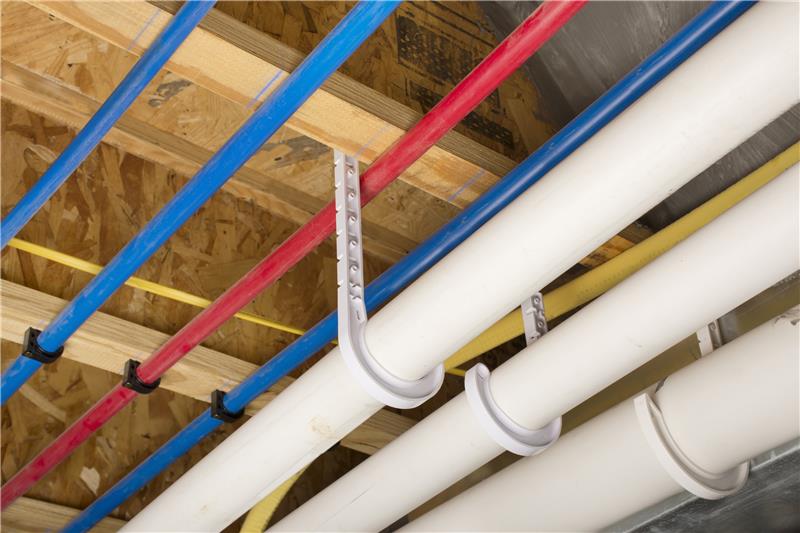
PEX pipingPEX plumbing uses flexible cross‑linked polyethylene tubing instead of rigid metal or PVC. This flexible plumbing pipe bends around corners and weaves through walls without extra fittings.

At Len The Plumber Heating & Air, we’ve helped homeowners switch to PEX for faster installs and fewer leaks. Read on to discover how PEX differs from copper and other types of pipes, its pros and cons, and when it makes sense for your home.

Understanding PEX Plumbing Basics

PEX stands for cross‑linked polyethylene. In simple terms, manufacturers treat ordinary polyethylene under heat or radiation to create bonds between its plastic molecules. This process gives PEX its strength, flexibility, and resistance to heat. PEX tubing arrived in Europe decades ago and reached U.S. homes in the 1980s. Back then, plumbers used copper or rigid PVC, which required soldering or solvent welding at every joint.

PEX changed the game by letting installers use crimp rings or push‑fit connectors instead. Unlike metal pipes, PEX won’t corrode, and it won’t burst if water freezes inside. It meets all modern plumbing codes and offers a friendly way to deliver water to kitchens, bathrooms, and laundry rooms.

Types of PEX Pipes and Their Applications

There are three main PEX pipe types:

  • PEX‑A uses the Engel method and offers the most flexibility, which helps it bounce back after a freeze. It often serves as radiant‑floor heating loops in homes because it can handle repeated expansion.
  • PEX‑B uses the silane method, making it slightly stiffer. However, it’s easier to bend than metal. PEX-B works well for kitchen and bathroom water lines.
  • PEX‑C is made by irradiating finished tubing; it offers a middle ground in flexibility and cost. It also works well for kitchen and bathroom water lines.

You’ll spot red PEX for hot water, blue for cold, and white for general use. Swapping among these types helps plumbers match performance with budget on each job.

Key Benefits of PEX Plumbing

When weighing PEX plumbing pros and cons, the advantages often stand out first:

  • The flexibility of PEX piping slashes labor time because you need fewer joints and fittings. A single length of PEX can snake from the basement to the bathrooms without extra couplings. That saves on both parts and plumber hours.
  • PEX costs less than copper and won’t be affected by fluctuating metal prices.
  • PEX resists corrosion and mineral buildup inside the pipe so you won’t lose flow over the years.
  • PEX can stretch slightly if water freezes, which cuts down on burst‑pipe emergencies.

All these perks add up to lower installation costs, fewer repairs, and better performance in both hot and cold climates.

Common Concerns & Limitations

Every material has drawbacks, and PEX is no exception.

  • PEX is sensitive to UV light, and prolonged sun exposure can weaken the tubing. That means you shouldn’t run PEX outdoors unless it’s sheathed in UV‑resistant conduit.
  • Mice and rats sometimes chew plastic, so PEX piping is at greater risk of rodent damage. Always protect exposed runs in crawlspaces or attics.
  • Not every municipality accepts PEX yet, so you’ll need to check local plumbing codes and insurance rules before installing it.

Despite these hiccups, PEX remains one of the most versatile and cost‑effective options in modern residential plumbing.

PEX vs Copper vs PVC: Which Should You Choose?

When comparing PEX vs copper vs PVC, balance factors like durability, cost, and maintenance.

Copper lasts for decades and resists UV, but it can corrode in acidic water and costs two to three times more than PEX. PVC is cheap and rigid, good for drains, but brittle in cold weather. PEX sits in the sweet spot: it’s durable, flexible, and mid‑priced.

Pipe repairs for PEX are simple; you cut out the bad section and crimp on a new fitting. Copper repairs demand soldering, and PVC needs solvent welding.

For a whole‑house repipe or new construction, PEX often wins by saving money on parts and labor, while still delivering reliable performance.

Why Should You Choose Len The Plumber Heating & Air?

You’ve learned what PEX plumbing offers: bendable tubing, fewer leaks, and big savings on installation. Len The Plumber Heating & Air has over 25 years of experience working with cross‑linked polyethylene and all other piping materials.

Our plumbers stay up to date on the latest PEX pipe installation methods and local code requirements. Whether you need a simple kitchen repipe, a radiant‑heat upgrade, or a whole‑house repiping project, we bring craftsmanship and honesty to every job.

If you are ready to switch to PEX or explore other plumbing solutions, contact Len The Plumber Heating & Air today and keep your water flowing seamlessly. We serve Baltimore, Washington, D.C., Northern Virginia, New Jersey, Pennsylvania, and the Delaware Valley.

This post first appeared on https://lentheplumber.com
Ask a Plumber: What Causes Hard Water Buildup?

Here’s a common question we hear from our customers: “What causes this white buildup I see on my pipes, faucets, drains, and other fixtures?” They usually follow up with: “Is it serious? Can I do anything about it aside from scrubbing it away?” Let’s explore what causes this issue and the best ways to fix it.

Hard Water

That white buildup that often encrusts the surfaces of your fixtures is calcite residue from hard water. You may have heard about hard water before, but you may not fully understand what it means. 

What is Hard Water?

Hard water generally refers to any water with a high mineral content. Specifically, it refers to water with large amounts of calcium-containing minerals, such as gypsum. The magnesium mineral dolomite, which also contains calcium, is another common mineral suspended in hard water.

How to Tell if You Have Hard Water

Beyond the visible white calcium buildup, you can often tell you have hard water if your soaps and shampoos refuse to lather properly, leaving behind a sticky soap scum on your shower doors and tubs. You might also notice that your freshly washed clothes feel stiff and your glassware comes out of the dishwasher covered in spots. These are all common indicators that your home’s water has a high mineral content.

What Causes Hard Water?

The visible white hard water buildup on pipes, dishes, and other surfaces is a result of calcification from the minerals in hard water. Aside from looking ugly, this calcite will start to coat the inside of your pipes, restricting water flow and increasing pressure within the plumbing until it erupts into a leak. The calcification will also infiltrate your hot water heater (or boiler, if you use one) and leave limescale deposits along the inside of the tank, which can significantly impair its performance. Hard water will also damage components in your dishwasher and laundry.

Is Hard Water Bad For You?

Usually, these minerals pose no threat to your health: hard water may not taste as good as “soft water,” but it is rarely dangerous. However, it can cause trouble for your plumbing and any appliance hooked to it.

How to Fix Hard Water?

Hard water comes to you through the municipal water system, so the best way to combat it is through a whole-house water treatment system attached to the main line. Water softeners will filter out the excess minerals from hard water and rebalance the water with sodium. Installing a water softener of this size requires the work of professional plumbers.

Protect Your Plumbing with a Professional Solution

Do not ignore the evidence of hard water in your home: it might be causing damage to your plumbing out of your sight. The experienced plumbers at Modern Plumbing Industries, Inc. will test your water and then offer solutions to the problem. We have experience with various types of water treatment systems, and we will determine the best solution to address your hard water issues. Schedule your appointment to have a member of our team contact you about your water problems and provide a time for us to come out and address your hard water issues. 

This post first appeared on https://www.modernpi.com

Why You Should Flush Your Water Heater Before the South Florida Heat Hits

Why You Should Flush Your Water Heater Before the South Florida Heat Hits

As South Florida gears up for another hot, humid summer, many homeowners and business owners in Fort Lauderdale, Miramar, Pembroke Pines, Hollywood, and throughout Broward County are preparing their properties for the seasonal shift. But while you’re checking your air conditioning and sealing up windows, there’s one important task you may be forgetting: flushing your water heater.

At A to Z Statewide Plumbing, we recommend flushing your water heater every year—especially before the summer heat arrives. Why? Because hard water and high usage during warmer months can cause mineral buildup that affects performance, energy efficiency, and even your water quality.


What Happens Inside Your Water Heater?

South Florida is known for having hard water, which means it contains a high concentration of minerals like calcium and magnesium. Over time, these minerals settle at the bottom of your water heater tank and form a thick layer of sediment.

This buildup can lead to:

-Reduced efficiency — Your water heater has to work harder (and use more energy) to heat the water through layers of sediment.

-Hot water shortages — Mineral buildup takes up space in the tank, reducing the amount of hot water available.

-Strange noises — Sediment can cause popping or rumbling sounds as it heats up and moves around.

-Shortened lifespan — Over time, excess sediment can damage the tank and heating elements, leading to early failure.


Why Summer Is the Right Time to Flush Your Water Heater

  1. Increased Demand for Hot Water
    While we may not take piping hot showers in summer, your water heater still works hard to supply hot water for laundry, dishwashing, and outdoor cleaning projects. Flushing it before this busy season ensures it runs smoothly when you need it most.
  2. Reduce Strain During High Temperatures
    South Florida summers are brutal—not just for people, but for plumbing systems too. Flushing your water heater reduces the stress on your appliance during the hottest part of the year.
  3. Prevent Costly Repairs
    By removing built-up sediment, you reduce the risk of overheating, pressure problems, and long-term damage to your tank. Preventive maintenance is always cheaper than emergency repairs or full replacements.

Take Advantage of Our Seasonal Special!

To help our residential and commercial customers get ready for the summer heat, A to Z Statewide Plumbing is offering a limited-time Water Heater Flush Special. Our professional technicians will:

-Drain and flush your water heater

-Inspect for signs of wear or corrosion

-Test performance and temperature settings

-Offer recommendations for maintenance or upgrades

Now’s the time to get your water heater in top shape for summer!


Schedule Your Water Heater Flush Today

Don’t let hidden sediment drag down your water heater’s performance—or your energy bill. Whether you’re in Fort Lauderdale, Miramar, Pembroke Pines, Hollywood, or anywhere in Broward County, A to Z Statewide Plumbing is here to help.

Call us today at 954-981-2133 or book your service online!
Stay cool, stay efficient, and let A to Z Statewide Plumbing help you beat the heat this summer.

Trending Topics Right Now

This post first appeared on http://www.atozstatewideplumbing.com

How Long Does AC Replacement Take?

analog-clock-face

If your air conditioner has seen better days and it’s time for an upgrade, one of the first questions you probably have is, “How long will this take?” The good news is that most air conditioning replacement jobs are completed in a single day—often in as little as 4 to 8 hours. Still, the exact timeline depends on a few key factors.

If you’re planning an air conditioning replacement in Livingston, NJ, working with a professional HVAC team is essential. This will ensure a smooth, efficient process from start to finish. Here’s what you should know.

Why a Professional Team Matters

A new AC system is a big investment—not just in terms of cost but also in comfort, energy efficiency, and home value. That’s why it’s so important to have trained HVAC professionals guide you every step of the way. A trustworthy team will start by evaluating your home’s layout, square footage, insulation levels, and cooling needs. From there, they’ll recommend a properly sized and efficient system that fits both your comfort preferences and your budget.

Choosing the right system is only part of the equation. An experienced HVAC contractor will also assess whether any modifications are needed before installation. These can affect how long the actual replacement takes.

When AC Replacement Takes More Than a Day

In the simplest cases—when the existing ductwork, wiring, and infrastructure are in good shape—replacement is fast and easy. But if your home needs extra work, the timeline can be extended slightly. Here are a few situations that may cause your project to go beyond one day:

  • Ductwork repairs or upgrades: Leaky, undersized, or aging ducts may need to be sealed, resized, or replaced to ensure efficient airflow and system performance.
  • Electrical upgrades: If your electrical panel can’t support the new unit or if outdated wiring is in place, an electrician may need to make adjustments to bring everything up to code.
  • Access issues: Installing an AC in tight crawlspaces, attics, or multi-story homes can add time to the job, especially if special equipment is needed.

Your HVAC team will identify these potential concerns in the planning stage, so there won’t be any surprises on installation day.

What Happens on Installation Day

On the day of your AC replacement, your HVAC technicians will arrive with all necessary equipment and materials. Here’s a typical step-by-step rundown of what happens:

  1. System removal: The team safely removes your old air conditioner, refrigerant, and any outdated components.
  2. Site preparation: They’ll prepare the space for the new system, including making any minor adjustments needed to accommodate it.
  3. New system installation: The new air conditioning unit is installed, along with any updated thermostats, wiring, or drainage lines.
  4. Testing and calibration: The system is carefully tested to ensure it’s working properly and efficiently.
  5. Clean-up and walkthrough: The work area is cleaned up, and your technician will walk you through the new system’s operation and maintenance.

Enjoy Same-Day Comfort

In most cases, your new system will be up and running within the same day—often in as little as 4 hours. By working with experienced professionals and planning ahead, your AC replacement can be a stress-free experience with long-term benefits in comfort, efficiency, and peace of mind.

Contact MarGo Plumbing Heating Cooling Inc. today to schedule an appointment or ask any questions about air conditioning replacement in Livingston, NJ!

The post How Long Does AC Replacement Take? first appeared on MarGo Plumbing Heating Cooling Inc..

This post first appeared on https://margoplumbing.com

Mid-Summer AC Checkup: Take Care of Your System!

green-meadow-and-summer-sky

When summer heat hits its peak, your air conditioner is working its hardest—and you’re relying on it more than ever to keep your home comfortable and safe. But with all that hard work comes wear and tear, and neglecting simple maintenance tasks now can lead to costly breakdowns right when you need cool air the most. You don’t want to be waiting in a heat wave for air conditioning repair in Montville, NJ!

That’s why a mid-summer AC checkup is so important. With just a few easy steps, you can help your system run efficiently, prevent emergencies, and extend its lifespan.

First Things First: Change That Air Filter

If there’s one maintenance task every homeowner should prioritize during the hottest months, it’s changing the air filter—monthly. Many people forget about this simple but crucial step, but your air filter is your AC’s first line of defense against dust, pollen, pet hair, and other airborne debris. A dirty filter restricts airflow, making your system work harder to push cool air throughout your home. The result? Higher energy bills, reduced comfort, and extra strain that can lead to bigger problems down the road.

Set a reminder to check your filter every 30 days in peak cooling season. If it looks dusty or clogged, swap it out with a fresh one right away. Not only will your air conditioner thank you, but your indoor air quality will improve, too—something everyone can appreciate during allergy season.

Keep the Outdoor Unit Clear

Your outdoor condenser unit is another vital part of your AC system that deserves a little mid-summer attention. Leaves, grass clippings, dirt, and other debris can build up around it, restricting airflow and preventing it from releasing heat efficiently. When that happens, your AC has to work overtime to keep your home cool—which can lead to overheating and unexpected breakdowns.

Take a few minutes to inspect your outdoor unit every couple of weeks. Clear away any debris, trim back bushes or branches at least two feet around the unit, and gently hose down the fins if they’re dusty. Just be sure to turn the power off first! A clean, unobstructed condenser helps your system run more efficiently and reduces the risk of mid-summer surprises.

Stay Alert for Signs of Trouble

Even with good maintenance habits, parts can wear out—especially when your AC is running day and night. Pay attention to how your system sounds and feels. Unusual noises like banging, screeching, or rattling could mean a loose or failing part. If the air isn’t as cool as it should be, or if your AC is cycling on and off frequently, there could be an issue with airflow, refrigerant levels, or the thermostat.

Catching these warning signs early can save you from the stress (and expense) of an emergency breakdown during a heat wave. If something doesn’t seem right, don’t wait—call a trusted HVAC professional to inspect and repair your system before a small fix turns into a big headache.

Protect Your Comfort

A mid-summer AC checkup doesn’t take much time, but it makes a big difference. By changing your air filter monthly, keeping your outdoor unit clear, and staying alert for early signs of trouble, you’re doing your part to keep your air conditioner running smoothly when you need it most.

Need help with maintenance or repairs? Our experienced HVAC team is just a phone call away. Stay cool, stay comfortable—and take care of your system!

Contact MarGo Plumbing Heating Cooling Inc. today to schedule an appointment or ask any questions about air conditioning repair in Montville, NJ!

The post Mid-Summer AC Checkup: Take Care of Your System! first appeared on MarGo Plumbing Heating Cooling Inc..

This post first appeared on https://margoplumbing.com

Signs Your Sewer Line May Be Backed Up After Heavy Rains

Signs your sewer line might be backed up after rain

After a heavy downpour in South Florida, it’s common to see puddled streets and swollen canals—but what’s happening beneath your property might be even more important. In areas like Fort Lauderdale, Miramar, Pembroke Pines, Hollywood, and the rest of Broward County, excess rainwater can overwhelm sewer systems, putting your plumbing at risk.

One of the most common and concerning post-storm plumbing issues is a sewer line backup. Ignoring the early warning signs can lead to messy, costly, and unsanitary problems. At A to Z Statewide Plumbing, we want to help you recognize the red flags and take fast action to protect your home or business.


1. Persistent Sewer Odor

If you notice a strong sewage smell coming from your drains, toilets, or even outside near your yard, this could be a sign of a sewer line backup. When the main sewer line is clogged, sewer gases can’t properly escape and may seep back into your home.

Don’t ignore foul odors—this is often the first and most obvious warning sign.


2. Slow-Draining Fixtures

Have your sinks, bathtubs, or showers been draining slower than usual since the storm? Heavy rains can cause debris and saturated soil to enter and clog your sewer line, resulting in sluggish drainage throughout your home.

If multiple drains are slow at once, the issue is likely in your main sewer line—not just one fixture.


3. Gurgling Toilets or Bubbling Drains

If your toilet starts making gurgling noises or you see bubbles coming up from the bowl after flushing, it could mean air is trapped in your plumbing system due to a blockage in the line. This is a strong indicator of sewer line distress, especially after a recent rainstorm.

Strange sounds coming from your plumbing? Don’t wait—get it checked right away.


How A to Z Statewide Plumbing Can Help

At A to Z Statewide Plumbing, we offer professional sewer camera inspections and high-pressure jetting services designed to identify and clear sewer line blockages quickly and effectively.

Sewer Camera Inspections

We use state-of-the-art video equipment to inspect your sewer line from the inside, allowing us to:

-Pinpoint the exact location of the blockage

-Identify root intrusions, cracks, or pipe damage

-Save time and avoid unnecessary digging

Hydro Jetting Services

Once we’ve identified the blockage, our hydro jetting system uses high-pressure water to blast away:

-Debris

-Grease buildup

-Tree roots

-Sediment from stormwater overflow

Hydro jetting is a powerful, non-invasive method to restore full flow and prevent future backups.


Don’t Wait for the Problem to Worsen

If you’ve experienced any of these signs after a heavy South Florida rain, don’t wait for raw sewage to back up into your home or business. Call the trusted professionals at A to Z Statewide Plumbing to inspect and clear your sewer lines before the problem escalates.

Call us today at 954-981-2133 or request a service today.
We proudly serve Fort Lauderdale, Miramar, Pembroke Pines, Hollywood, and all of Broward County. Stay ahead of the storms—keep your sewer lines flowing with A to Z Statewide Plumbing.

Trending Topics Right Now

This post first appeared on http://www.atozstatewideplumbing.com

+1-877-959-3534