Can That Old Gas Furnace Be Repaired, or Is It Time to Replace It?

Can That Old Gas Furnace Be Repaired, or Is It Time to Replace It?

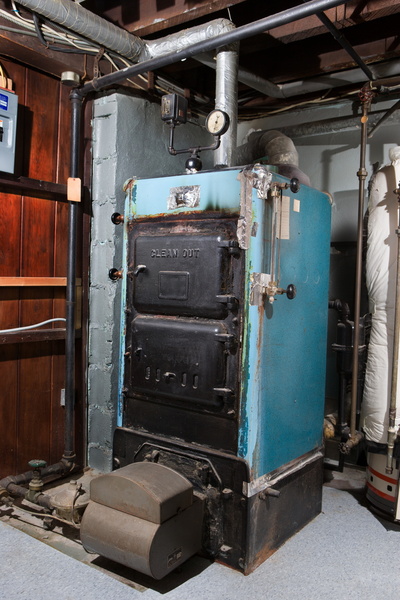
old-furnace-in-need-of-replacement

As the cold weather sets in, you need your gas furnace to be reliable. If it’s having trouble, or might need a major repair, it’s time to make a very important decision. After all, the last thing you want is to have it break down and need to be replaced in January, when you need it the most.

Before you get into an emergency situation, assess your heating system. Is your old gas furnace worth repairing? Or have you reached a point where investing in repairs is a waste of money? Do you need a new furnace?

Age

There are multiple factors that you’ll want to weigh together when making your decision about whether to keep repairing an aging furnace, and the factor that weighs most heavily is age. A gas furnace can be expected to last for about fifteen years. This is extremely dependent upon how well it’s been cared for, though. 

That fifteen-year estimate is based on furnaces which have received annual maintenance every single year. With no maintenance whatsoever, a gas furnace might only survive for seven or eight years. If maintenance has been occasional rather than regular, the life expectancy will fall somewhere in between.

There are two main reasons for the deterioration over time that happens to gas furnaces. The first is that the more moving parts a system has, the more potential points of failure there are, and a gas furnace has more moving parts than, for example, a boiler. The second is corrosion. Vapors in a gas furnace create an acidic condensate that rusts the system over time.

Repair Needs

Your furnace might require an expensive repair right now. But even if it doesn’t, consider your furnace’s repair history. Has it needed a lot of minor repairs? Have those repair needs gotten more frequent in recent years? It might not be a lot of money at once, but those costs add up, and the older the furnace gets, the more frequently it will require repair.

If your furnace does need a major repair now, consider the 5000 rule. Multiply the age of the furnace by the estimated repair cost. If the answer is under 5000, the repair is a reasonable choice, but if the answer is over 5000, it’s probably not a great investment. 

New Options

The final reason to consider replacement is if new heating options would make it worth your while in terms of efficiency. While regular maintenance can prevent a gas furnace’s efficiency from dropping, at least until it gets near the end of its lifetime, it will never actually make it more efficient than it was when it was new.

Older gas furnaces often had an efficiency somewhere below 70%, meaning that only that percentage of the energy it consumed would be turned into heat. Today’s gas furnaces have efficiency ratings of 85% and higher, sometimes up to 98.5%. This means that a new furnace could significantly cut your monthly utility bills.

Whether your old gas furnace in Livingston, NJ just needs some love from a qualified technician or is headed into retirement so you can replace it with a new, more-efficient model, we’re ready to help so you can be cozy and comfortable this winter.

Contact MarGo Plumbing Heating Cooling Inc. today with any questions about your furnace!

The post Can That Old Gas Furnace Be Repaired, or Is It Time to Replace It? first appeared on MarGo Plumbing Heating Cooling Inc..

This post first appeared on https://margoplumbing.com

How Often Should Municipal Sewer Inspections be Conducted?

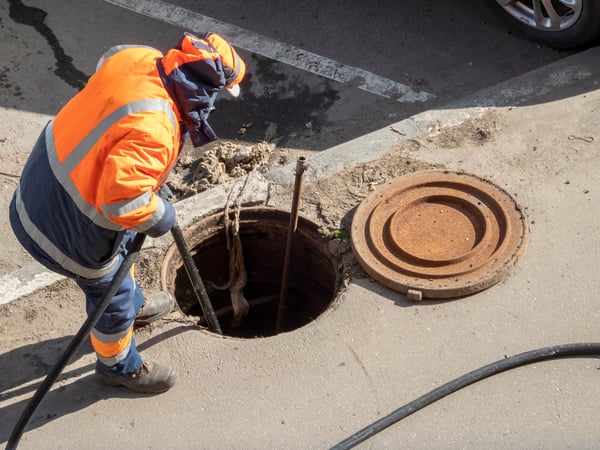
municipal sewer inspection_438635137

Municipal sewers are vital to keeping residents safe and the environment healthy. In order to keep homes and businesses running smoothly, it’s up to the city of Sacramento to keep the sewer lines maintained. This requires frequent sewer inspections to ensure no unexpected problems arise that cause costly repairs or water contamination

When to Conduct a Municipal Sewer Inspection

The timing of municipal sewer inspections is a matter of strategic planning and foresight. Regular inspections, typically conducted on an annual or biennial basis, serve as a proactive approach to identifying potential issues before they escalate into costly and disruptive problems.

Regular Checks

The frequency can vary depending on several factors, including the age of the sewer system, the volume of wastewater it handles, and its geographical location. Additionally, sewer inspections should be scheduled after significant weather events or natural disasters, which can strain the system. 

By taking these factors into consideration, the city can establish an inspection schedule that strikes the right balance between preventive maintenance and budget considerations, ensuring the longevity and reliability of the sewer system.

In Case of Emergencies

In the event of sewer emergencies, the need for swift and effective inspections becomes paramount. These unforeseen situations, often triggered by sudden blockages, collapses, or significant overflows, demand immediate attention to minimize the potential for widespread damage and health hazards

Emergency sewer inspections are typically triggered by reports of issues, unusual odors, or visible problems, and they involve the rapid deployment of inspection teams equipped with specialized tools and equipment. 

These high-priority assessments are conducted to diagnose the problem, determine the extent of the damage, and formulate an immediate response plan to restore functionality and protect the surrounding environment and community. Timely and accurate inspections in emergency scenarios are indispensable for mitigating the consequences of sewer-related crises.

sewer inspection clog_166811666

Common Issues to Look For During Sewer Inspections

During sewer inspections, whether routine or in response to specific concerns, it is crucial to be vigilant for a range of common issues that can impact the integrity and functionality of the sewer system. We’ve outlined some of the most common issues below.

Cracked Pipes

Cracks can emerge from various factors, including age, ground movement, and corrosive wear, and they pose a significant risk to the sewer infrastructure. Detecting these cracks is crucial, as they can lead to leaks, structural damage, and groundwater infiltration, potentially compromising the system’s effectiveness. 

Modern inspection technologies, such as closed-circuit television (CCTV) cameras, allow inspectors to identify these issues with precision, ensuring that necessary repairs or rehabilitation can be implemented promptly to prevent further deterioration and maintain the integrity of the municipal sewer network.

Tree Roots

During municipal sewer inspections, identifying tree roots infiltrating the sewer system is a vital task. Tree roots can aggressively seek out sources of moisture, often penetrating sewer pipes through cracks, joints, or openings. When left unaddressed, these intrusions can obstruct wastewater flow, leading to clogs and structural damage in the pipes

Skilled inspectors with specialized equipment, such as sewer cameras, are essential for locating and documenting root intrusions. The early detection of tree root problems is imperative to prevent blockages, backups, and costly repairs that may follow, ensuring the seamless operation of the municipal sewer system.

Clogged Sewers

Clogs can arise for different reasons, including debris buildup, grease accumulation, or foreign objects obstructing the sewer lines. Detecting these obstructions is crucial, as they can disrupt the normal flow of wastewater, potentially leading to sewage backups and overflows. 

By employing advanced inspection tools, skilled plumbers can pinpoint and assess the severity of clogs, take action to clear the blockages, and ensure the smooth operation of the municipal sewer system, avoiding potential disruptions and health hazards.

Pipeline Flow

The examination of flow within the sewer lines helps inspectors determine if the pipes are operating as intended, with an unimpeded movement of wastewater. Slow or stagnant flows may indicate obstructions, structural issues, or damage. Inspectors use flow monitoring equipment and visual observations to assess pipeline flow rates and patterns.

Sewer Inspection Next Steps

If you’re in need of hydro-jetting or trenchless sewer repair work, Express Sewer & Drain is here for you. We have extensive experience in Sacramento municipal sewer inspections and repairs and know what it takes to get the job done within your budget. Contact us today to learn more about our services! 

Municipal Professional Plumbing Services Sacramento

This post first appeared on https://www.expresssewer.com

The Lifecycle of a Water Main Break

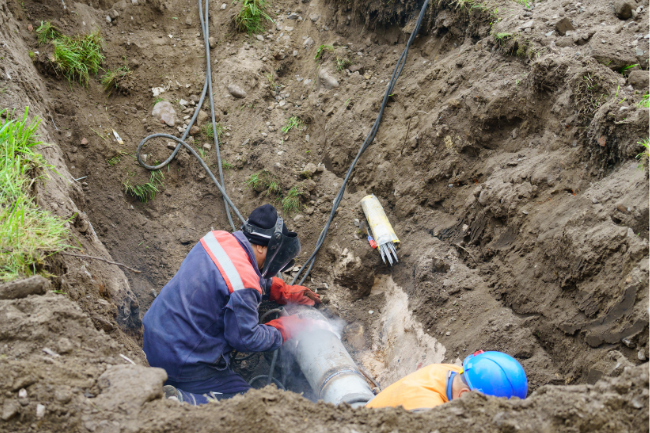
water main break

You’ve likely experienced the effects of a water main break in your area, whether directly or indirectly. Water mains play a subtle yet essential role in our everyday lives, delivering clean and potable (drinkable) water to our homes, schools, businesses, and public spaces.

In this article, we will dive into the lifecycle of a water main break, clarifying the reasons behind these disruptions and exploring the complicated process of addressing them.

What Causes Water Main Breaks?

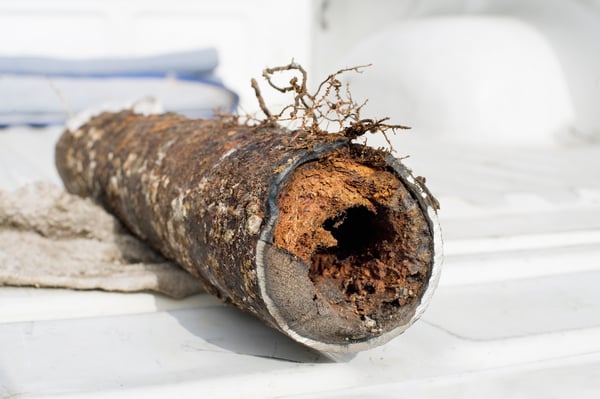
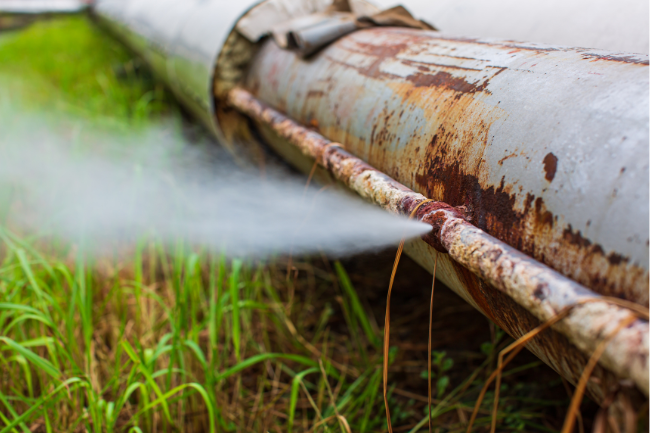
Water main breaks can be caused by a variety of factors, with the most common being aging infrastructure and natural wear and tear. Over time, the materials used in water mains, such as cast iron or concrete, may deteriorate, making them vulnerable to cracks and fractures. Environmental elements, like shifting soil, freezing and thawing cycles, and corrosive soil conditions, can worsen this deterioration

Additionally, sudden changes in water pressure, often due to rapid valve adjustments or water hammer effects, can stress the pipes, potentially leading to a break. Excavation near water mains or accidental impacts during construction also pose a risk. Understanding these root causes is crucial for preventative maintenance and ensuring the reliability of our water supply systems.

Implications of a Water Main Break 

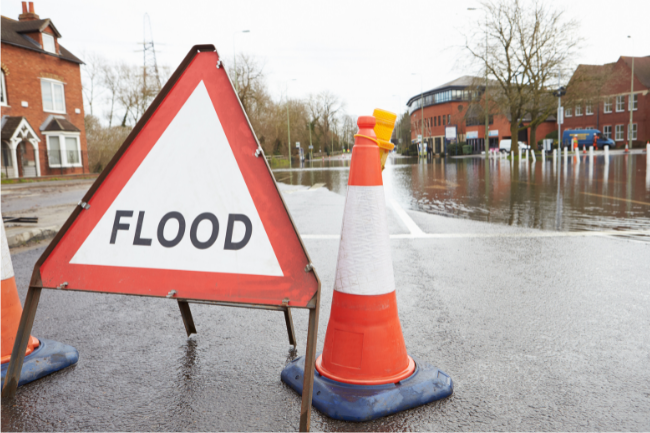
A water main break carries significant implications, affecting individuals, communities, and the environment. It leads to immediate water service disruptions, causing inconvenience and potential property damage, especially in flooded basements. 

Road closures and traffic congestion can happen, along with damage to infrastructure and increased emergency response costs for municipalities. This can ultimately lead to water health concerns, with potential contamination risks, requiring water use restrictions and boil advisories. Repairing the break can be quite costly, which is often passed on to consumers through water rate increases. 

The Water Main Break Timeline

The water main break timeline typically goes something like this:

  1. Initial rupture due to factors like aging infrastructure.
  2. Escaping water causes flooding and potential property damage.
  3. Swift detection and response are crucial to minimize disruptions.
  4. Repair crews are dispatched to isolate the damaged section.
  5. Repairs involve excavation, pipe replacement, and infrastructure restoration.
  6. Water service interruptions and boil water advisories may be necessary.
  7. Successful repair concludes the incident, restoring water service.

Throughout this timeline, the implications and challenges associated with water main breaks are addressed, highlighting the importance of efficient and effective response procedures.

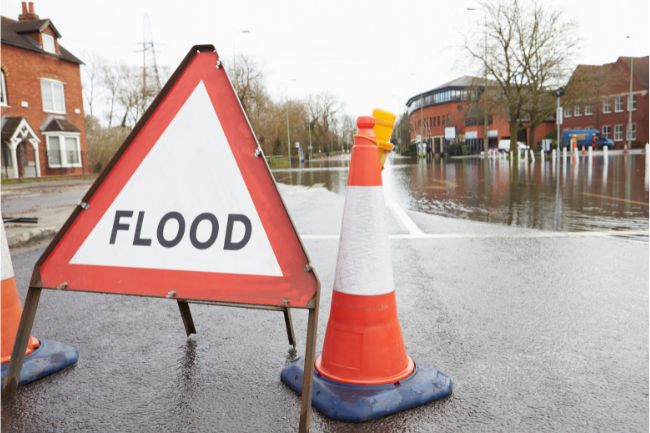
street flood

Don’t Wait to Repair Water Main Lines in Sacramento

When a water main breaks in Sacramento, Express Sewer & Drain is here to assist. Our dedication to safe and efficient plumbing repairs makes us the trusted source for any issues with water main lines in the area. Give us a call today to learn more about our services!

Dealing With Common Plumbing Problems

This post first appeared on https://www.expresssewer.com

The Top 9 Plumbing Mistakes to Avoid

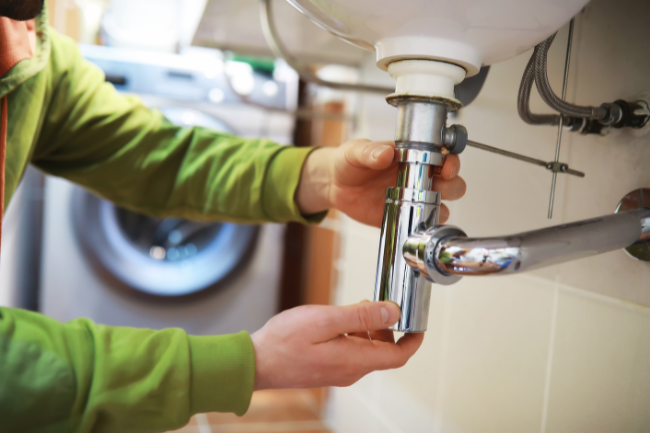
plumbing mistakes

With our years of experience as professional plumbing specialists in the Sacramento area, we’ve seen it all; from your standard leaking faucet fixtures to full-blown plumbing disasters, we’ve been there. But did you know that a majority of plumbing problems are self-inflicted? And that most often, extensive plumbing repairs are the result of careless use and poor maintenance techniques?

In this blog post, we’ll go over nine of the most common mistakes we’ve seen people make with their own plumbing.

Avoid These 9 Plumbing Mistakes to Save Your Pipes

Taking care of your property’s plumbing system and managing your water consumption behaviors isn’t rocket science. However, you might be surprised by what fairly common, detrimental mistakes so many Sacramento homeowners and business owners make every day. These mistakes can build in severity over time, and snowball into major plumbing disasters if left unattended.

By knowing these mistakes, you can be better suited to avoid their consequences and keep your plumbing running properly.

Not Turning Off the Water

Although turning off the water should be the very first step in any plumbing project, it’s also an easy one to forget. Many “easy” DIY projects can turn into expensive disasters when water sprays from a loosened connection or pours freely after a fixture is removed. 

Shutting off the water is far easier when you have time to find the appropriate valve, but once you have water flowing onto the floor or into the walls, every moment wasted looking for the shut-off valve can cause more damage to your plumbing.

It’s also important to remember that shutting off the water at the source doesn’t automatically clear existing water from the pipes. Make sure to drain the pipes by running the kitchen or bathroom faucets for a few seconds.

Ignoring Signs of Plumbing Failure

Easily, the worst thing you can do to your plumbing system stems from negligence; ignoring the warning signs of a pipe failure or other plumbing problems will only cause those problems to develop, and result in higher restorative costs later on. Common signs of a plumbing problem you should take immediate note of include persistent clogging, lawn indents, poor water pressure, and lawn moisture.

If you notice any of these signs, do not ignore them or forget about them! By acting fast, you can mitigate not only damage to your plumbing but the extent of later repairs. Very often, we see major plumbing damages as the result of negligent care; damages which are entirely avoidable with the right care and attention given.

Improper Use of Drains

garbage disposal

Another common plumbing mistake we see here in Sacramento concerns how property owners treat their drains, waste pipes, and garbage disposals. To put things simply, by disposing of trash, grease, and many food products, you contribute to drain clogging, buildup, and long-term damage.

Under no circumstances should you try to put the following items in your garbage disposal:

  • Animal bones
  • Silverware 
  • Plasticware 
  • Garbage
  • Fat 
  • Cooking grease
  • Oils 

We recommend cleaning your garbage disposal on a semi-regular basis with ice cubes and running water, as these can free up problem-causing food debris. You should also run your disposal regularly, as rust can develop and accumulate if it’s left alone for too long a period.

Use Chemical Cleaners

Another common plumbing mistake is the gratuitous use of chemical cleaning products to dislodge drain clogs. These products, while an emergency solution for minor clogging and grime buildup, can actually harm your pipes after extensive use, as the chemical reactions that make these products work can eat away at inner pipe walls, and are even dangerous upon contact in some conditions.

Instead, we recommend less harmful remedy solutions, such as simple vinegar and baking soda solutions, or even a hot water flush. Chemical cleaners can be counterproductive when run through your plumbing systems; instead, opt for equally effective, much safer alternatives.

Rely Heavily on DIY Solutions

While seasoned DIYers can likely handle any minor plumbing problem with efficient ease, we often find average property owners taking on huge restoration efforts on their own to save money; while it’s possible to fix your own plumbing without any prior experience, it’s unlikely to turn out that well.

One of the worst things you can do to your plumbing is cause additional damage by getting in over your head with DIY measures. If you feel uncomfortable resolving a plumbing issue on your own, call a professional for assistance. Often, professional repairs can be done much quicker than DIY repairs, and as it turns out, much cheaper. When you attempt large-scale DIY plumbing repairs, they can actually increase their costs by using the wrong tools or taking apart the wrong pipe fixtures.

Mismatched Pipes

Modern plumbing utilizes a wide array of materials for piping. From galvanized steel to copper to brass to plastic and everything in between, sorting out what kind of pipe to use can be confusing for the aspiring do-it-yourselfer. Some of these pipes can be joined together using specialized connections, although this is very rarely ideal and always poses a leak risk. Others should not be mixed under any circumstances.

All too often, people decide to just “make it work” by cobbling together mismatched connections and filling the gaps with tape or silicone. Most plumbers have at least one or two horror stories about finding tangled, leaky pipes under a sink or finding makeshift connections that have failed somewhere behind the drywall. Unless you have absolutely no other option, it’s usually better to simply replace old pipes rather than trying to connect them to a different kind of pipe.

Over-Tightening Connections

Another common problem, this one is a bit counterintuitive. Most people know that plumbing connections need to be watertight. What they may not think about is how most connections already make a watertight seal, so they go about making the connection tighter to make it “more watertight.” 

Oftentimes this can actually damage the fittings and break the rubber or plastic washers that create the seal in the first place. Too much tightening can also strip pipe threads or crack plastic fittings, rendering the connection useless.

While connections should always be snug, don’t try to force anything past that point. Even if over-tightening doesn’t cause damage, it can cause massive headaches for anyone who has to replace the fitting in the future. Trying to loosen an over-tightened connection can cause serious damage, sometimes snapping the pipe or wearing the fittings down to the point that the only way to remove them is to cut the pipe.

Skipping Maintenance Checks

Avoiding all of the above plumbing mistakes, however, cannot make up for general negligence; a vast majority of major plumbing problems can be entirely preventable with routine and annual pipe inspections. For starters, you can diagnose your own pipe and drain problems yourself, and check your plumbing performance before the need to call a professional ever arises by evaluating your water meter and water flow on a monthly basis.

However, that does not mean you should forget about professional inspections altogether. In fact, we suggest getting a specialist to look at your plumbing systems at least once per year, as their trained eyes can catch troubling signs earlier and far more accurately than the average person’s.

Not Seeking Professional Help

The above point, of course, leads us to one of the biggest plumbing mistakes you can make: Not getting professional help when it’s necessary. Yes, calling your local plumbing specialist and having an expert inspection and renovation will cost you money…but it will be cheaper than ignoring the problem, or trying doomed DIY repairs.

If you find yourself in over your head with pipe damages or failed DIY repairs, contact a professional. Not getting the help you need when you need it, or putting off calling an expert until later, are some of the worst mistakes you can make with issues in your plumbing. Don’t make these careless plumbing mistakes; take care of your drains and pipes, and call a professional when necessary.

To learn more about proper plumbing maintenance techniques, or if you think you may need a plumbing specialist’s help in restoring your pipes to their best performance, contact Express Sewer & Drain today.

Free Video Drain Inspection

This post first appeared on https://www.expresssewer.com

Can I install a new toilet myself or should I hire a plumber?

The decision to install a new toilet can often boil down to a question of expertise and comfort level with DIY projects. While hiring a professional plumber ensures a job done right, installing a toilet yourself could be a cost-effective alternative if you have some basic plumbing knowledge and a helpful guide at hand. In this plumbing guide, we will explore both options so you can make an informed decision.

Understanding the Process of Toilet Installation

Before deciding whether to DIY or hire a plumber for your toilet installation, it is important to understand the process involved. The steps for installing a new toilet typically include removing the old toilet, preparing the area, assembling and attaching the new toilet, and connecting it to the plumbing system.

To further dissect the toilet installation process, let’s begin with the first step — removing the old toilet. This includes shutting off the water supply, draining the tank and bowl, and unscrewing the bolts that secure the toilet to the floor. It’s essential to be careful during this process to prevent any water leakage or damage to the flooring.

The second step involves preparing the area for the new toilet — a clean, smooth surface is crucial for the toilet to sit evenly. This stage might also include leveling the floor, if necessary, and cleaning the flange, the component that connects the toilet to the drain pipe.

Next, comes the toilet’s assembly, which includes attaching the tank to the bowl, installing the toilet seat, and applying the wax ring on the base of the toilet. This step requires careful attention to the manufacturer’s instructions to ensure correct assembly.

Finally, the new toilet is placed onto the flange, secured with bolts, and connected to the water supply. It’s crucial to check for any leaks in the system at this stage. If everything is done correctly, you should have a functioning toilet.

During this process, you may encounter challenges such as corroded bolts and pipes, uneven flooring, or incorrect measurements. It is crucial to have the necessary tools and knowledge to handle these potential obstacles.

Pros and Cons of DIY Toilet Installation

Pros:

  • Cost savings: DIY installation can save you money as you won’t have to pay for labor costs.
  • Flexibility: You can work at your own pace and schedule.
  • Personal satisfaction: Successfully completing a DIY project can give you a sense of accomplishment and pride.

Cons:

  • Lack of expertise: Unless you have experience in plumbing, there is a risk of making mistakes that could result in costly repairs.
  • Time-consuming: Installing a toilet may take longer than expected, especially if unexpected challenges arise.
  • Potential for injury: Handling tools and plumbing equipment can be dangerous if you are not familiar with them.

Pros and Cons of Hiring a Professional Plumber

Pros:

  • Expertise: Plumbers have the necessary knowledge and experience to handle toilet installations efficiently and effectively.
  • Time-saving: Professionals can complete the job much quicker than someone without experience, saving you time and hassle.
  • Warranty coverage: Many plumbers offer warranties on their work, providing peace of mind in case any issues arise.

Cons:

  • Cost: Hiring a plumber can be more expensive due to labor costs.
  • Limited control: You may have less input and control over the process or schedule as it is being handled by someone else.

Cost Comparison

The cost of installing a toilet can vary depending on multiple factors such as the type of toilet, additional materials needed, and labor costs. DIY installation can cost anywhere from $150 to $350, while hiring a professional plumber can range from $300 to $750 or more.

It is essential to consider your budget and compare prices before making a decision. Keep in mind that if any issues arise during the DIY process, you may end up spending more money on repairs.

Making the Right Decision

Deciding whether to install a new toilet yourself or hire a plumber ultimately depends on your level of expertise, time availability, and budget. If you have experience in plumbing and feel confident in your skills, DIY may be a viable option. However, if you are unsure or lack the necessary knowledge and tools, it may be best to hire a professional.

Remember, safety should always come first. If you are not comfortable with handling plumbing equipment or feel overwhelmed by the installation process, hiring a plumber is the safest and most practical choice. Whichever option you choose, make sure to prioritize quality and safety for a successful toilet installation. With this guide, we hope you can make an informed decision and have a smooth toilet installation experience.


Why You Might Want to Check Up on Your AC’s Outdoor Unit

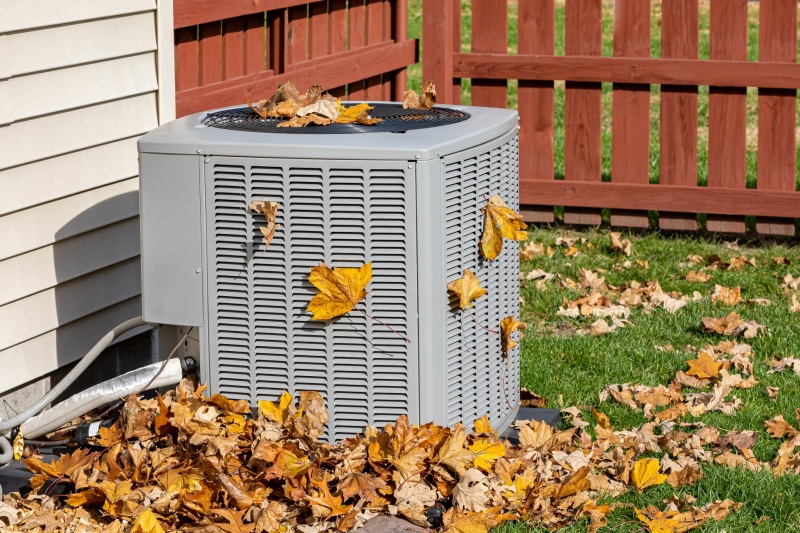
outdoor-AC-unit-covered-in-autumn-leaves

It might not be what you want to think about just now, but in the grand scheme of things, it won’t be all that long before snow flies again. There are probably a lot of things you need to get done before that happens. We’ve got a recommendation for one more thing to put on your list.

Your air conditioner worked hard all summer, keeping your home comfortable for you and your family. Before you simply forget about it for several months until you need it again, make sure it’s doing okay. Your AC’s outdoor unit bears the brunt of both the hard work and the risks to the system, especially this time of year. Let’s give it a once-over.

What Your Outdoor AC Unit Does

This portion of your AC system contains the compressor, that vital component which keeps the refrigerant under pressure so it flows through the coils. Because this component is so hardworking and nearly irreplaceable—or at least, too costly to be worth replacing in an older unit—you don’t want to risk having it compromised.

The outdoor unit also contains the evaporator coils, where heat that was soaked up from your home can be released. The easier it is for those coils to let go of the heat, the less work your compressor has to do, and the more effective and efficient your system is overall.

Risks to the Outdoor AC Unit

  • Damage: Being outdoors, this portion of your AC system is vulnerable to all sorts of external damage. It could be hit with a flying branch, or appeal to small creatures as a comfortable place to build a nest! Finding out about any damage promptly will make repairs easier to schedule and complete.
  • Dust: Dirt or other substances caking the evaporator coils is another serious problem. When anything encases the coils, it acts as insulation, preventing heat from being released. Your refrigerant re-enters your home still too warm, so it can’t absorb enough heat. The thermostat continues to call for cooling, so your compressor works overtime—and possibly burns out.
  • Leaf Litter: In addition to simple dirt (or dust or lawn clippings) there are particular challenges to airflow posed by the autumn season. Falling leaves can easily accumulate around the outdoor unit, creating a cozy nest that hinders the release of heat and can tempt small animals, and it’s easier to rake it away now rather than wait for spring.
  • Plant Growth: Finally, any shrubs, trees, or other plants that have grown a lot during the summer season may be crowding the unit. It’s best to get those trimmed now, rather than having to do it in a hurry when you need AC maintenance or repair.

Giving Your Outdoor AC Unit a Checkup

Once you’ve trimmed any encroaching plants and raked away the autumn leaves, get the unit itself clean. Use a hose without any high-pressure attachments to give it a gentle wash and remove any dust and dirt from the coils. Now you’ll be able to take a good look at it.

If you see anything concerning, such as damage to any part of the unit or leaking refrigerant, you should get repairs done before the problem worsens. It’ll also be good to avoid the spring rush when everyone wants to schedule an appointment with an AC technician. If everything looks good with your AC outdoor unit in Clifton, NJ, you can rest easy, knowing you’re ready for winter.

Contact MarGo Plumbing Heating Cooling Inc. today with any questions about your air conditioner!

The post Why You Might Want to Check Up on Your AC’s Outdoor Unit first appeared on MarGo Plumbing Heating Cooling Inc..

This post first appeared on https://margoplumbing.com

What Causes a Water Main Line Break?

water main line break

Ever wondered why water main line breaks happen? They can be a real headache, causing water shortages and property damage.

In this article, we’re going to dive into the reasons behind these disruptions. From environmental factors to aging pipes, we’ll take a deeper look into water main breaks and how they impact daily life. 

Water Main Line Basics

A water main line, often simply called a water main, is a crucial component of a city’s water distribution system. It’s a large underground pipe that carries potable (drinkable) water from a water treatment plant to various locations within a city or municipality, including homes, businesses, and industrial facilities. 

Causes of Water Main Breaks

Water main breaks can occur due to various reasons. Understanding these causes can help prevent and address them effectively. Here are some common reasons for water main breaks.

Materials

The type of material used for water mains can play a significant role in causing breaks. Over time, certain materials like cast iron or concrete can deteriorate due to corrosion or wear and tear. This weakening of the pipe material can make it more susceptible to cracks and ruptures. 

As these pipes age, they become increasingly vulnerable, and the risk of a water main break goes up. Replacing older, fragile pipe materials with more durable and corrosion-resistant options is often a key strategy in preventing these disruptive incidents.

Temperature

Temperature fluctuations can also spell trouble for water mains. When it gets frigid, the water inside the pipes can freeze, and as it freezes, it expands, putting immense pressure on the pipe walls. Over time, this stress can lead to cracks or, in more severe cases, a full-blown water main break. So, when winter rolls around, the risk of these chilly mishaps tends to rise.

Pressure Changes

Water pressure changes can be another culprit behind water main breaks. Sometimes, abrupt shifts in water flow, like when a valve opens or closes quickly or during firefighting operations, create powerful pressure surges within the pipes. 

This sudden pressure fluctuation can weaken the pipe structure over time, making it more prone to cracks and breaks. So, while water pressure is essential for getting water to our taps, it can also be a factor in those unexpected pipe mishaps.

Age of Pipes

Over the years, pipes can naturally deteriorate and weaken. Materials like cast iron or concrete, commonly used in older infrastructure, are especially vulnerable to corrosion and wear and tear. As these pipes age, they become increasingly fragile and susceptible to cracks and ruptures, making water main breaks more likely. 

To reduce the risk, many communities are investing in the replacement and modernization of aging pipe systems to ensure a more reliable and resilient water supply.

Construction

Construction activities can be a double-edged sword when it comes to water mains. While crucial for urban development and maintenance, excavation and digging near underground pipes can unintentionally lead to water main breaks. Accidental damage from heavy machinery or digging in the wrong spot can puncture or crush the pipes. 

It’s a reminder that careful planning and coordination are essential to avoid these disruptions during construction projects and keep our water systems intact.

Tree Roots

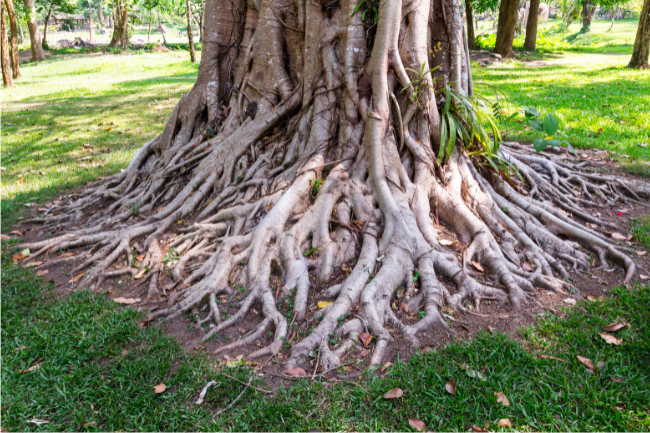
tree roots

Tree roots can be a thorn in the side of water mains. These persistent natural explorers are always seeking water, and if there are small cracks or joints in the pipes, tree roots can infiltrate them. As they grow and expand within the pipes, they can cause blockages and put pressure on the pipe walls, ultimately leading to cracks and, eventually, water main breaks. 

Implications of a Water Main Break

flooded street

Now that we’ve discussed what can cause a water main line to break, let’s discuss what happens after the break. If you’ve ever seen a heavy flow of water down the side of the street, there’s a good chance that that is coming from a burst water main line underground.

  • Erosion: As the surrounding area becomes soaked with the leaking water, the ground will be more susceptible to erosion. Excess erosion can lead to cracks in the streets and sidewalks, which in turn can impact the integrity of local infrastructure, putting entire communities at risk.
  • Contamination: In some instances, broken water main lines can introduce harmful contaminants into the local potable water system, leading to a localized public health issue. This will require a Boil Water Advisory until the issue is thoroughly resolved. 
  • Water Shut Off: In order to repair a broken water main line, that line will need to be shut off temporarily. While this is a necessary step to take, it can be quite inconvenient for local families and businesses who no longer have access to water until the issue is resolved. 
  • Local Closures: Water main breaks have the potential to flood large areas. This means streets will be closed off until the leak is managed and residents can once again travel safely. Similar to a water shut-off, this can be a large inconvenience, though a necessary one for the health and safety of the community.

What to Do When a Water Main Breaks in Sacramento

When a water main line breaks in Sacramento, contacting Express Sewer & Drain is the smart move. Our experienced team can swiftly assess and repair the issue, whether it’s due to freezing temperatures, soil shifts, or aging pipes. We can ensure a rapid response to minimize water wastage and restore your water supply efficiently and safely. Give us a call today to learn more about our services!

Free Video Drain Inspection

This post first appeared on https://www.expresssewer.com

What is the most popular type of water heater today?

In the vast expanse of Ottawa, Canada, the need for reliable and efficient heating systems is non-negotiable. One fundamental component of these systems is the water heater, an appliance that plays an integral role in maintaining the comfort and quality of life within Canadian homes. In a climate where the winters can often be harsh and unforgiving, the selection of a water heater extends beyond simple convenience, becoming a matter of necessity. Over recent years, a variety of water heaters have flooded the market, each boasting unique features and efficiencies. These range from the traditional tank-based systems to the more modern tankless or on-demand variants, from solar-powered units to those driven by natural gas or electricity. Among this diverse assortment, one type in particular has gained significant popularity across Ottawa households. Through this document, we seek to identify this dominant player in the realm of water heaters, shedding light onto its distinctive characteristics and understanding the factors that contribute to its widespread adoption in Canada.

Importance of Choosing the Right Water Heater

Choosing the right water heater is of utmost importance for a number of reasons.

First and foremost, it directly affects the comfort of your home. A well-functioning, efficient water heater ensures a consistent supply of hot water for bathing, cleaning, cooking, and other domestic requirements.

Secondly, the type of water heater you choose can significantly influence your energy consumption and, as a result, your utility bills. For instance, while tank-based systems may have lower upfront costs, they could potentially lead to higher energy bills in the long run due to their continuous operation. Tankless or on-demand systems, on the other hand, although more expensive initially, can save energy and cost in the long term as they heat water only when required.

Lastly, your choice of water heater can have environmental implications. Solar-powered units, for example, leverage renewable energy, thereby reducing your carbon footprint. It becomes evident, then, that the selection of the right water heater is a crucial decision that involves careful consideration of your personal needs, financial capabilities, and environmental consciousness.

Traditional Tank Water Heaters

The most common and conventional type of water heater is the tank-based system. This unit stores a large volume of hot water in an insulated tank, ready to be dispensed whenever required. The heating process involves an initial surge of energy followed by continuous maintenance heating to keep water at the desired temperature.

One of the main reasons for their widespread use is that traditional tank water heaters are relatively affordable and have a simple installation process. They also work well in areas with low water pressure and can provide hot water to multiple outlets simultaneously. Moreover, as they do not require electricity to operate, they can continue working during power outages.

However, tank-based systems do have some drawbacks. For one, the stored water may run out if multiple people use hot water simultaneously. Additionally, since the water is continuously heated, there is a higher risk of heat loss, resulting in increased energy consumption and costs.

Tankless or On-Demand Water Heaters

As the name suggests, tankless or on-demand water heaters do not store hot water in a tank. Instead, they heat water on demand as it passes through a heat exchanger, providing hot water only when needed. This process eliminates the need for continuous maintenance heating, leading to energy and cost savings.

Tankless systems are becoming increasingly popular in Ottawa due to their compact size, energy efficiency, and ability to provide hot water on demand. They also have a longer lifespan compared to traditional tank water heaters. However, these benefits come with a higher initial cost, and they may not work well in areas with high water hardness or flow rate.

Solar-Powered Water Heaters

Another eco-friendly option for heating water is through solar-powered systems. These units use solar panels to capture the sun’s energy and heat water, thereby reducing reliance on traditional sources of energy. They are most effective in sunny and warm climates like Ottawa, making them a popular choice in the city.

One of the main advantages of solar-powered water heaters is their potential for significant energy cost savings. They also have minimal environmental impact and can work as a backup during power outages. However, they do require proper installation and maintenance to ensure optimal performance, and may not be feasible for homes with limited sun exposure or space for solar panels.

Natural Gas or Electric Water Heaters

Apart from the above-mentioned types, water heaters can also be powered by natural gas or electricity. These systems work in a similar manner to traditional tank-based heaters, but with different energy sources. Natural gas water heaters are known for their fast and efficient heating capabilities, while electric water heaters tend to have lower upfront costs.

When considering a natural gas or electric water heater, it is essential to factor in the cost and availability of the energy source in your area. These systems may also require specialized installation and maintenance, adding to their overall cost.

Heat Pump Water Heaters

Heat pump water heaters, also referred to as hybrid water heaters, operate in an innovative way, different from traditional tank or on-demand systems. Instead of generating heat directly, they use electricity to move heat from one place to another, making them highly energy-efficient. This is similar to the working principle of a refrigerator, but in reverse. When the pump is switched on, it pulls heat from the surrounding air and deposits it at a higher temperature into a tank to heat the water.

One of the key advantages of heat pump water heaters is their energy efficiency, which can result in substantial long-term savings on electricity bills. These systems can be up to three times more energy efficient than conventional electric water heaters. They also have a larger capacity to serve bigger households and can provide a steady supply of hot water.

However, there are also certain considerations with heat pump water heaters. They tend to be more expensive upfront than traditional water heaters. Furthermore, they require installation in locations that stay in the 40°-90°F range year-round and provide at least 1,000 cubic feet of air space around the water heater. Additionally, they may not perform as efficiently in colder climates without a backup heating source. However, in Ottawa’s mild climate, these systems can be a sustainable and cost-effective option for water heating.

Emerging Trends in Water Heater Technology

In the field of water heating, there are several emerging trends reflecting the global shift towards energy efficiency and sustainability. One of the most noteworthy trends is the rise of smart water heaters. Equipped with Wi-Fi connectivity, these devices can be remotely controlled via smartphone apps, reducing energy consumption by heating water only when needed.

Another innovative trend is the development of condensing water heaters. These systems capture heat from the flue gases which are usually wasted in traditional heaters, and use this heat to preheat incoming cold water. This significantly improves the efficiency of these units.

The use of heat pump technology, as mentioned earlier, is another growing trend. Heat pump water heaters are not only more energy-efficient, but they also have a lower environmental impact as they reduce dependence on fossil fuels.

Lastly, the integration of AI and Internet of Things (IoT) in water heater systems is a notable trend. These technologies allow for predictive maintenance, alerting homeowners about potential issues before they turn into costly repairs, and optimizing heating schedules based on usage patterns to save energy.

However, it’s important to note that while these emerging trends offer significant benefits, they often come with higher upfront costs. Therefore, it’s essential to conduct a thorough cost-benefit analysis before opting for these advanced water heating solutions.

Final thoughts

Since, with the various types and features of water heaters available in Ottawa, it is crucial to carefully evaluate your needs and consider all factors before making a decision. Whether you opt for a traditional tank-based system or a more modern tankless or solar-powered unit, choosing the right water heater can have significant impacts on your comfort, energy consumption, and environmental footprint. So do your research, consult a professional, and make an informed decision for your home’s hot water needs. The most popular type of water heater in Ottawa may vary depending on individual preferences and circumstances, but what is essential is to choose the one that best suits your specific needs.
 

+1-877-959-3534