Commercial Plumbing vs Residential: Key Differences You Need to Know

Commercial Plumbing vs Residential: Key Differences You Need to Know

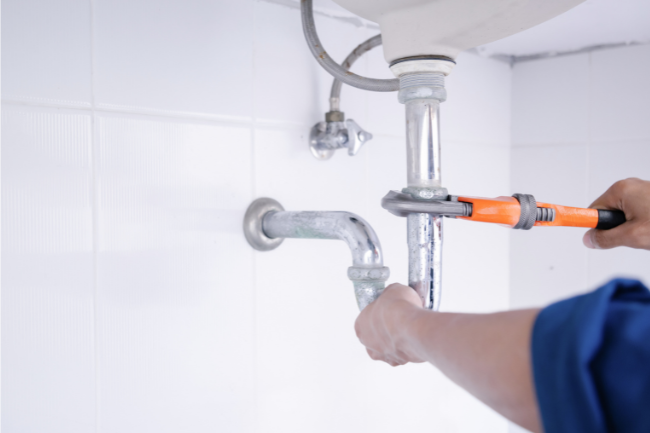
commercial vs residential plumbing

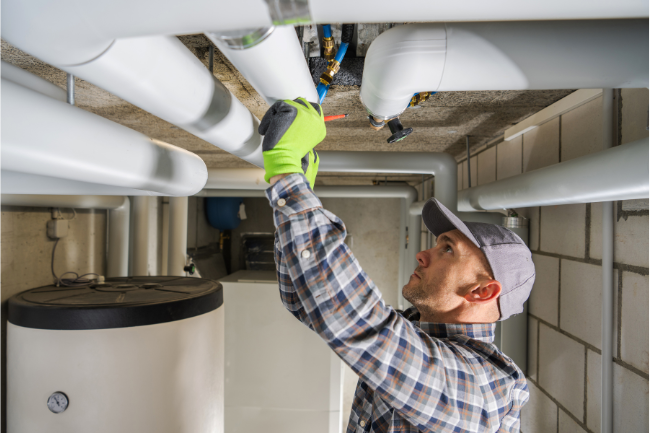
From scale and complexity to regulations and functionality, the differences between commercial and residential plumbing are very significant. 

In this article, we’ll dive into the distinctive features that set commercial plumbing apart from its residential counterpart and shed some light on the key considerations that property owners, contractors, and plumbing professionals should understand to ensure the efficient and compliant operation of plumbing systems. Read More

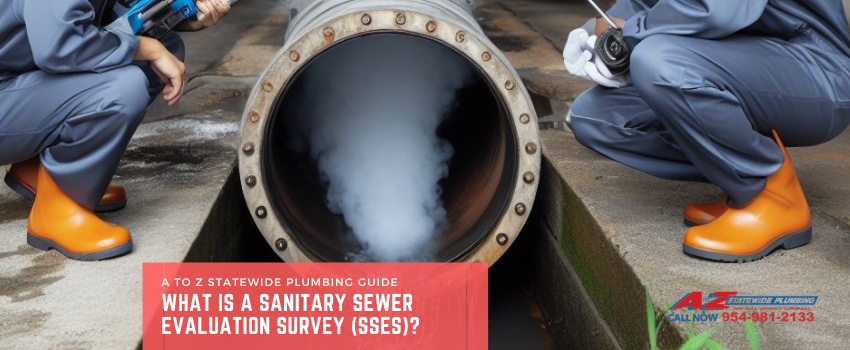
What is a Sanitary Sewer Evaluation Survey (SSES) and who needs them and why

Sanitary Sewer Evaluation Survey (SSES)

A Sanitary Sewer Evaluation Survey (SSES) is a comprehensive assessment and analysis of a municipal or industrial sanitary sewer system. It is conducted to evaluate the condition, performance, and capacity of the sewer infrastructure, as well as to identify any problems, defects, or areas of concern within the system. The primary objectives of an SSES are to ensure the proper functioning of the sewer system, prevent sanitary sewer overflows (SSOs), and maintain compliance with environmental regulations.

Here’s a breakdown of what an SSES typically involves and who might need one:

1. Visual Inspection and Assessment: SSES often starts with a visual inspection of sewer pipes, manholes, and other components to identify visible defects, blockages, corrosion, and structural issues. This step helps in assessing the overall condition of the system.

2. Flow Monitoring: To understand the flow characteristics and patterns within the sewer system, flow monitoring devices may be installed at key locations. This data helps in identifying areas prone to surcharge or backups.

3. Smoke Testing: Smoke testing involves injecting non-toxic smoke into the sewer system to locate leaks, improper connections, or illegal discharges into the sanitary sewer. This helps identify sources of inflow and infiltration.

4. Dye Testing: Dye testing involves introducing a colored dye into the sewer system to trace the flow and identify cross-connections with stormwater systems or other inappropriate connections.

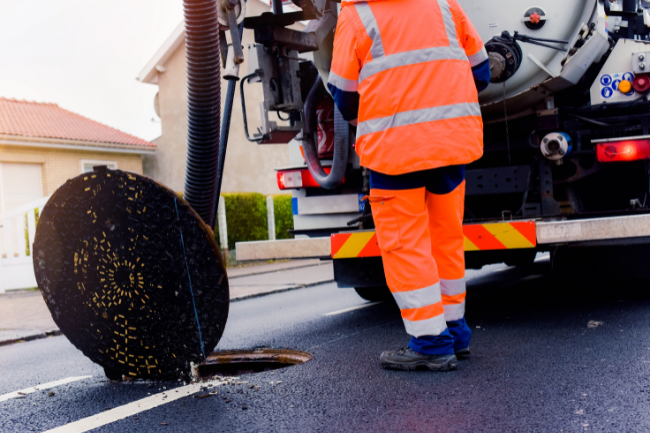
5. Manhole Inspection: Manholes are inspected for structural integrity and signs of infiltration. Cracked or deteriorated manholes can allow stormwater to enter the sanitary sewer system.

6. CCTV Inspection: Closed-circuit television (CCTV) cameras are often used to inspect the interior of sewer pipes. This allows for a detailed examination of pipe conditions, including cracks, breaks, root intrusion, and blockages.

7. Hydraulic Modeling: Hydraulic modeling is used to simulate sewer system performance under various conditions, helping to identify capacity issues and areas susceptible to overflows.

Who Needs SSES and Why?

1. Municipalities: Municipalities are responsible for the proper operation of sanitary sewer systems. They often conduct SSES to ensure compliance with regulatory requirements, prevent SSOs, and plan for infrastructure maintenance and upgrades.

2. Industrial Facilities: Industries with large wastewater discharges into municipal sewer systems may require SSES to assess their impact on the municipal system, ensure compliance with discharge permits, and identify areas for improvement in wastewater management.

3. Environmental Protection: Environmental agencies may require SSES to protect water quality and the environment by identifying and mitigating potential sources of pollution and contamination.

4. Plumbing Contractors: Plumbing contractors may conduct SSES as part of their services for property owners and managers to identify and rectify issues within private sewer systems or building plumbing.

5. Real Estate Transactions: SSES can be part of due diligence in real estate transactions to assess the condition of sewer systems before property acquisition.

In summary, a Sanitary Sewer Evaluation Survey is a crucial tool for assessing and maintaining the integrity and functionality of sanitary sewer systems. It helps prevent environmental contamination, regulatory violations, and public health hazards. Municipalities, industries, and property owners may all benefit from SSES to ensure the proper management of wastewater and sewage.

Trending Topics Right Now

This post first appeared on http://www.atozstatewideplumbing.com

Safeguarding South Florida’s Water Supply: The Importance of Backflow Prevention

The Importance of Backflow Prevention

South Florida is renowned for its beautiful beaches, vibrant culture, and year-round sunshine. However, it’s also home to unique plumbing challenges due to its low-lying geography, high water table, and susceptibility to hurricanes. One crucial aspect of plumbing that often goes overlooked but is of paramount importance in this region is backflow prevention. In this blog post, we’ll explore why backflow prevention is essential for South Florida and why A to Z Statewide Plumbing is your trusted partner in maintaining water safety and quality.

Understanding Backflow

Before delving into the significance of backflow prevention in South Florida, it’s important to understand what backflow is. Backflow occurs when the flow of water in a plumbing system is reversed, allowing contaminated water to enter the clean water supply. This reversal can happen due to various reasons, including sudden drops in water pressure, pipe bursts, or even back-siphonage from nearby sources of contamination.

The Risks of Backflow in South Florida

1. Saltwater Intrusion: South Florida’s proximity to the ocean means that saltwater intrusion is a constant threat to freshwater supplies. When backflow occurs, it can introduce saltwater into the drinking water system, rendering it undrinkable and harmful to appliances and plumbing fixtures.

2. Contaminated Water Sources: In a region prone to heavy rain and flooding, backflow can bring pollutants, debris, and bacteria from stormwater drainage systems or sewage lines into the potable water supply. This poses severe health risks to residents.

3. Cross-Connection Hazards: South Florida is home to a wide variety of industries, including agriculture, manufacturing, and healthcare, which use chemicals and substances that are potentially hazardous if they enter the drinking water supply. Backflow prevention safeguards against such cross-connection hazards.

The Role of Backflow Prevention Devices

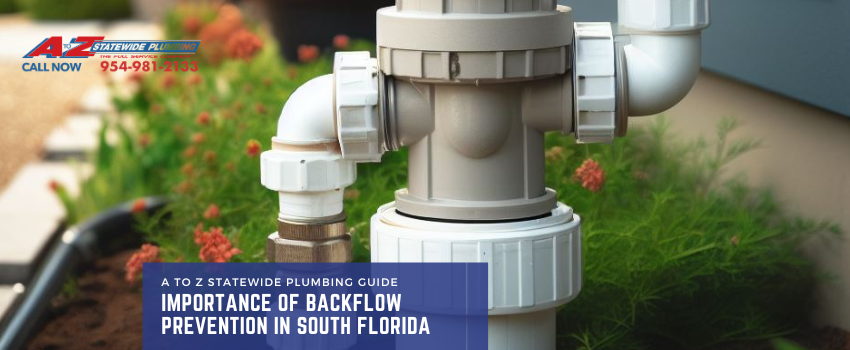
Backflow prevention devices are the unsung heroes of South Florida’s plumbing infrastructure. They act as barriers to prevent contaminated water from flowing backward into the clean water supply. These devices are installed at various points in a plumbing system, including residential, commercial, and industrial settings.

Types of Backflow Prevention Devices:

1. Air Gaps: This physical separation between the water supply and potential contaminants ensures no direct connection exists, preventing backflow.

2. Double-Check Valves: These valves are designed to prevent backflow by closing when water flow reverses, creating a barrier against contamination.

3. Reduced Pressure Zone (RPZ) Assemblies: RPZ assemblies are highly effective in preventing backflow in high-risk areas. They use a complex system of valves and check mechanisms to ensure water flows in one direction only.

The Role of A to Z Statewide Plumbing

A to Z Statewide Plumbing has been serving South Florida for decades, and we understand the unique challenges this region faces regarding water supply safety. Our skilled technicians are experts in backflow prevention and can help with:

1. Inspection and Testing: Regular inspections and testing of backflow prevention devices are essential to ensure they are functioning correctly and in compliance with local regulations.

2. Installation and Maintenance: We can install and maintain backflow prevention devices at residential, commercial, and industrial properties, providing you with peace of mind.

3. Compliance and Regulations: South Florida has specific regulations governing backflow prevention. We stay up-to-date with these regulations to ensure your property remains compliant.

In South Florida, preserving the safety and quality of the water supply is not just a matter of convenience; it’s a matter of public health and environmental sustainability. Backflow prevention is a critical component of achieving this goal. At A to Z Statewide Plumbing, we are committed to safeguarding your water supply, and our expert technicians are ready to ensure that your plumbing systems remain free from backflow risks. Don’t wait until it’s too late – protect your water supply with us today, and enjoy peace of mind in paradise.

Trending Topics Right Now

This post first appeared on http://www.atozstatewideplumbing.com
Critical Plumbing Emergency Tips

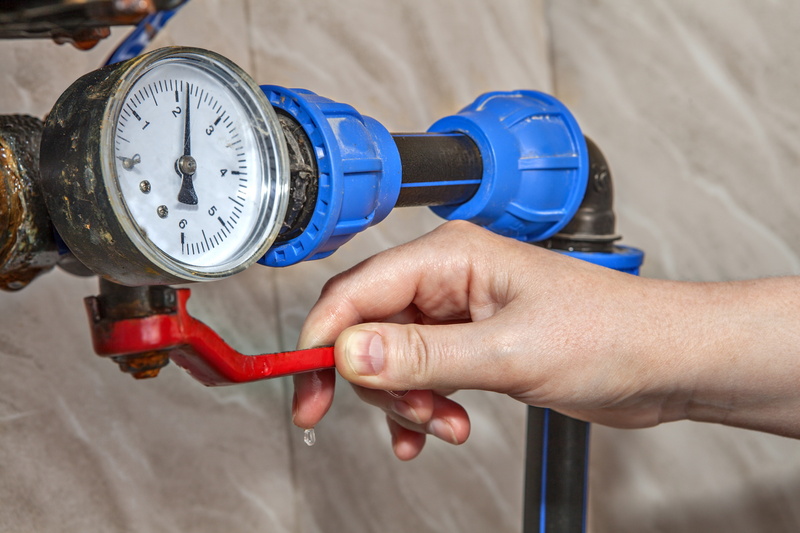
hand-turning-off-main-water-shut-off-valve

It’s easy to panic in an emergency. In our frantic urgency, we can make things worse, or take too long to take simple steps that mitigate the damage. In a plumbing emergency, that time could mean the difference between a minor mess and a flooded bathroom. 

Knowing what steps you should take can make your reaction time much faster and help you avoid missteps. Familiarize yourself with these tips, and the next time you have a plumbing emergency, you’ll be better prepared to do what’s necessary.

Know How to Shut the Water Off

It’s generally pretty easy to locate the water shut-off to various fixtures. But in the panic of an emergency, your haste can make this harder. Before any emergency occurs, go through your home and check where the shut-off valves are. If something breaks or leaks, you’ll be able to stop water from flowing to that particular section of your plumbing.

You should also know where your main water shut-off is. If you have a leak or break in a section of plumbing you can’t shut off individually, you can cut off the water supply to your whole home. This will be located where the water enters your house, generally in the basement on the side of your house facing the street, or facing your well if you don’t have municipal water.

Know How to Handle Frozen Pipes

When winter temperatures get severe, frozen pipes are a common plumbing emergency. If this happens to you, the first thing to know is not to try to defrost the pipe yourself with a space heater or hair dryer. This can cause such rapid expansion that it triggers a sudden rupture. Instead, call for an emergency plumber in Pine Brook, NJ.

To avoid having this happen at all, your best bet is to never lower your home’s heat below 55 degrees, even when you’re going to be away and don’t need your home to be warm.

Don’t Hesitate—Get Help

If you’re not sure whether something should be considered an emergency, err on the side of caution. Get professional plumbing help as quickly as you can. Blocked drains throughout your house can quickly turn into flooding sewage if you don’t take it seriously. A trickling leak can pour gallons of water into your subfloor in a matter of hours. 

Another time to get emergency plumbing help is when the problem is an emergency to you personally. A child’s lost tooth or grandma’s engagement ring being lost down the sink may not flood your home, but if it matters deeply to you, it matters to us, too. Stop using that drain, cover it so nobody else unknowingly uses it, and call for help.

Rely on Qualified Professionals

It’s all too easy for something to go seriously wrong when people attempt DIY plumbing, and that can result in serious emergencies and water damage. Avoid this by having a plumber you trust and relying on them for quick, effective, and safe solutions to your plumbing problems.

Contact MarGo Plumbing Heating Cooling Inc. today with any questions about your plumbing!

The post Critical Plumbing Emergency Tips first appeared on MarGo Plumbing Heating Cooling Inc..

This post first appeared on https://margoplumbing.com

Avoid Costly Repairs This Fall With These 5 Simple Plumbing Checks

As the scorching Arizona summer slowly fades into a more pleasant fall season, it’s essential for homeowners to shift their focus towards preparing their homes for the changing weather. While many individuals concentrate on outdoor maintenance tasks, such as landscaping and pool care, it’s equally important not to overlook the plumbing system. By conducting a

CONTINUE READING »

The post Avoid Costly Repairs This Fall With These 5 Simple Plumbing Checks appeared first on Wolfgangs Cooling, Heating & Plumbing.

This post first appeared on https://www.thetrustedplumber.com

+1-877-959-3534