Should Your Home Go Tankless?
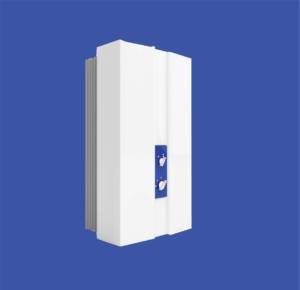
Should Your Home Go Tankless?

Are you looking for ways to save on your utility bills? Water heating accounts for around 17% of your home’s energy usage, making it the second-highest contributor to your utility costs after your heating and cooling system.

If you’re in the market for a new water heater, the best choice for energy savings might be to skip the tank and opt for a tankless water heater this time around. Learn more about tankless vs. traditional water heaters to determine if this upgrade is right for your home.

How Does a Tankless Water Heater Work?

Tankless water heaters, also known as on-demand water heaters, generate hot water only when needed. This is different from a traditional storage tank that keeps 60 to 100 gallons of hot water on standby at all times.

With tankless technology, a powerful gas-fired burner or electric unit kicks on when you open a hot water tap. It heats the water directly as it flows toward the faucet, giving you instant access to hot water whenever you want it—no need to store a constant supply.

Benefits of a Tankless Water Heater

If you have never lived in a house with a tankless water heater before, you might wonder what all the hype is about. Here are the top benefits of tankless water heaters that make them a popular choice among homeowners today:

  • Lower energy bills
  • Endless hot water
  • Longer life span
  • Smaller installation footprint
  • Reduced flooding risk

What Is the Best Kind of Water Heater for My Home?

A tankless water heater could be an excellent choice if any of the following statements are true:

  • My family doesn’t use much hot water. The less water you use, the more you can expect to save by going tankless. Homes that consume 40 gallons of hot water or less per day save 24%-34% compared to conventional water heating. Even if you use more than twice that much, you can still save 8%-14% on your water heating costs.
  • I prefer endless hot water over a high flow rate. Tankless water heaters are limited to about two to five gallons of hot water per minute. Traditional water heaters may deliver a flow rate two to three times higher, facilitating multiple hot water activities at once. To combat this shortcoming of tankless technology, consider installing low-flow plumbing fixtures or multiple point-of-use tankless units instead of a single whole-house unit.
  • I don’t plan on moving anytime soon. Tankless water heaters cost more upfront than traditional tanks, but they deliver monthly energy savings and last twice as long. As a result, you are likely to break even on your investment years before it’s time to replace it. Of course, the only way to make the most of this is if you stay in your current home for a long time.
  • My home is short on storage space. Storage water heaters are around 60 inches tall and 24 inches in diameter, taking up precious storage space. Tankless units measure about 20 inches wide by 28 inches tall by 10 inches deep, or about the size of carry-on luggage. Plus, the unit mounts to the wall, getting it up off the floor. If you own a small condo or townhouse, this size difference could be an added perk to the benefits of a tankless water heater.

Schedule a Tankless Water Heater Consultation

The experts at Len The Plumber can help you decide if tankless water heater installation is right for you. We’ll consider all the factors, such as your family’s size and hot water usage, installation limitations, and the payback period of going tankless. With all this information, you can make the best decision for your home in MD, DC, VA, PA, or DE.

Contact us online or call 800-950-4619 to request a free water heater installation quote today.

This post first appeared on https://lentheplumber.com

What is a Sump Pump & Why Do I Need One?

Do your friends or neighbors ever mention their sump pump after a downpour? They might proclaim that if it weren’t for this device, they would be ankle-deep in water—and up to their neck in water damage repair bills. Learn more about sump pumps here to help you decide if you need one.

What Is a Sump Pump?

A sump pump is a submersible device installed in a sump pit dug at the lowest point of your house, such as the basement or crawl space. This small but important addition to your home helps prevent your basement from flooding.

Here’s how it works: Most of the time, the pump is on standby, simply waiting until it’s needed. When it begins to rain heavily, the soil around your house becomes oversaturated. Excess groundwater funnels toward the sump pit, and it begins to fill with water. This activates the sump pump float switch and turns on the pump.

By removing water from the pit and draining it into a nearby storm drain, dry well, or detention pond, the sump pump prevents the groundwater from rising to the level of your basement floor, which could cause a flood. In this way, you can think of a sump pump as an extra piece of flood insurance!

Benefits of a Sump Pump

A sump pump is a small investment with big advantages. Here’s how you can benefit from adding a sump pump to your home:

  • Defend your basement against flooding
  • Protect the paint and other wall coverings from peeling
  • Safeguard basement appliances—such as the washer, dryer, and spare freezer—from corrosion
  • Reduce mold, mildew, and fungus growth
  • Discourage termites and other insect invasions
  • Improve indoor air quality
  • Keep your foundation intact
  • Make the basement drier and more comfortable year-round
  • Enjoy peace of mind, no matter what the weather is doing
  • Meet a requirement for homeowner’s insurance coverage of basement flood damage

Do I Need a Sump Pump?

While the benefits of sump pumps are clear, some properties need these devices more than others. We recommend installing a sump pump if any of the following is true:

  • You live in a climate that receives heavy rain or snow. Here in the northeast, we get more than our fair share of moisture. Unlike desert climates out west, basements here are very susceptible to flooding.
  • Your home is built on a flood-prone plot. Poorly draining soil, low-lying properties, and homes surrounded by hills are more likely to experience rising groundwater levels during heavy rains, snowstorms, and spring runoff.
  • You’ve had water problems in the past. If your basement has flooded before, or you regularly struggle with high basement moisture levels, it would be wise to install a sump pump.
  • You have a finished basement. Even if your home isn’t categorized as a high-risk property, consider protecting your underground living space with an affordable sump pump.

Schedule Sump Pump Installation

If you have decided a sump pump is right for your Baltimore, Washington, D.C., Northern Virginia, Delaware, or Philadelphia home, it’s vital to have the device installed and serviced by a plumbing expert. Len The Plumber can meet your needs! We offer free, upfront, written estimates and a no-surprises-pricing policy, giving you the confidence to move forward with your project. Rest assured that our fully trained, licensed, and certified professionals will guide you through the sump pump installation process so you know exactly what to expect.

Ready to get started? Contact Len The Plumber at 800-950-4619 to speak with a qualified plumber about installing a sump pump in MD, DC, VA, PA, or DE.

This post first appeared on https://lentheplumber.com

The Top 6 Reasons Why Your Toilet Will Not Flush Correctly

When we flush the toilet, we expect everything to go down the drain and everything to work correctly. Yet, there are times when the toilet will not flush correctly, or it requires multiple flushes to clear the bowl. Before you start troubleshooting why your toilet will not flush correctly, it is important to understand essential toilet plumbing parts and components that allow a toilet to work.

Toilet Tank

On the back of the toilet is a tank that holds water until you flush it. Inside the tank are several separate parts and components that work together when you pull the handle or push the button on the exterior of the tank.

Flushing Mechanism

Whether you have a water-saving flush mechanism or a conventional flush mechanism will determine what parts are inside the tank. With a water-saving flush mechanism, when you pull the handle or push the button, it is connected to a cable that raises the flapper and allows water to flow into the toilet bowl.

As water flows into the toilet bowl, it forces the water in the bowl down the drain and through the drain trap, where it then moves into the home’s main sewer line and flows out of the home. Next, the flapper closes, and water refills the tank until the float mechanism is raised and shuts off the water.

Hand is fixing a toilet cistern at home

With a conventional flush mechanism, the mechanics are the same, except that there is a chain connected to the handle that lifts when you pull the handle to open the flapper. There is also an overflow tube the flapper connects to, which prevents the tank from overflowing.

Toilet Bowl

The toilet bowl holds water and waste until you flush it. The toilet bowl is secured to the floor or wall with bolts. At the end of the drain trap pipe that connects to the sewer line, there is a wax ring that prevents leaks at the base of the toilet.

When the toilet doesn’t flush correctly, it could be caused by one or more of the following reasons:

1. The cable or chain connecting the flapper is broken.

Since the flapper cannot be raised to allow water into the bowl, the toilet won’t flush.

2. There is no water in the tank.

If there is a leak around the flapper that allows water to constantly drain into the bowl, there will be insufficient water to create the necessary pressure to flush the toilet.

3. There is a clog in the drain trap or sewer line.

If you used too much toilet paper or tried to flush things you shouldn’t, like diapers, sanitary napkins, paper towels, etc., it could create a clog and prevent the toilet from flushing.

smiling plumber repairing toilet bowl using instrument kit

4. The overflow tube is broken or is cracked.

If the overflow tube is damaged where water can drain down it, then there will not be enough water in the tank to flush the toilet.

5. The water to the toilet is turned off.

If the water got shut off, then the tank cannot refill after you flush the toilet, so it will not flush correctly the next time. Check to see that the water is turned on at the shut-off valve under the toilet tank.

6. The wax ring needs replacing.

If you flush the toilet and the water flows from under the toilet bowl and onto the floor, this is a good sign the wax ring needs to be replaced.

Once you figure out why your toilet won’t flush, or if you need help, remember MET Plumbing & Air Conditioning is here to help. Call our expert bathroom plumbers for toilet repair services at 281-994-6698 today! We service the greater Houston, Katy, Cypress, Sugar Land, Spring, and The Woodlands areas.

The post The Top 6 Reasons Why Your Toilet Will Not Flush Correctly appeared first on Met Plumbing.

What Causes a Leaking Toilet to Leak at the Base?

Have you noticed a pool of water around the base of the toilet? There could be several causes for the leaking toilet. The first thing to do is to stop using the toilet until you can locate the source of the leak. The second most important thing is to not ignore the toilet leaking at the base.

If you continue to use the toilet, more and more can get under the toilet. If the water is leaking from the toilet bowl, it can contain bacteria, smell bad, and create a sanitation issue. Plus, all that water must go somewhere.

If it isn’t going down the sewer drain, then it will seep in between the flooring and subflooring. To further complicate matters, not only will you have to deal with potential water damages, but you will also have to address issues with mold and mildew.

Finding the Source of a Leaking Toilet

Leakage of water from a toilet due to blockage of the pipe

A toilet leaking around the base does not always mean the leak is at the base. To find the source of the leak, you will need to do a little investigative work.

Step 1:

Start by shutting off the water to the toilet. The water shutoff should be under the toilet tank. Turn it until it is closed.

Step 2:

Clean up the water from around the base of the toilet. Remember, this water could have come from inside the bowl, so make sure to wear protective gloves. If you mop the water up, wash your mop head in hot water and bleach to kill germs and bacteria.

Step 3

Once the water is cleaned up, check for leaks coming from underneath the toilet tank. Water leaks from the tank can run down the back of the toilet and make it appear like there is a leak around the base.

Slow leaks can be harder to detect. Open the lid on the tank and verify there is water inside. If the water level is low, then the leak is probably coming from the tank, not the base.

Step 4:

If the tank is not leaking, the next step is to see if the toilet bolts are loose. The toilet bolts are normally at the back of the base and have a plastic cover over them. Remove the plastic cover and use a wrench to see if the bolts are tight. Do not overtighten the bolts, as this could crack the base.

Step 5:

If the bolts are tight, and the tank is not leaking, then it might mean the wax ring that connects the toilet to the sewer line needs replacing. Replacing the wax ring can be a messy job and does require having a general knowledge of bathroom plumbing, as well as the right tools and parts.

plumber installing toilet bowl using instrument kit professional

You will need to drain the toilet tank and remove the toilet from the floor. If you do not feel up to this task or are worried you will create more leaks or damage the toilet, then it is better to call a professional bathroom plumber for help.

While the toilet is removed, this is a good time to clean under the toilet and check the flooring and subflooring for water damage, mold, and mildew. If you discover water damage, you need to allow the affected area to fully dry out and then make any necessary repairs before reinstalling the toilet.

For help replacing the wax ring and finding the source of toilet leaks, shower leaks, tub leaks, toilet repair, toilet replacement, or other plumbing repair and replacement services, please feel free to contact MET Plumbing & Air Conditioning at 281-994-6698. We service the greater Houston, Katy, Cypress, Sugar Land, Spring, and The Woodlands areas.

The post What Causes a Leaking Toilet to Leak at the Base? appeared first on Met Plumbing.

The Truth About Tankless Water Heaters

Most homes today have a traditional water heater—the type that stores water in a tank and keeps it hot around the clock, even when you’re not using it. Tankless water heaters use a different method. Instead of keeping a tank of hot water on standby, tankless units heat water on demand.

Cold water enters the unit when you turn on any hot water faucet or fixture in your home. Water passes over a powerful electric heating element or gas burner and instantly reaches the temperature required to take a hot shower, wash your hands, do the dishes, or run a load of laundry. Hot water on demand means you don’t have to wait for a storage tank to refill itself!

Tankless Water Heaters Have Even More to Offer

Having access to hot water without storing it in a tank is pretty cool, but what does that mean for your home and family? Here’s everything there is to like about tankless water heaters:

  • No stored water eliminates potential water damage. Did you know conventional water heaters are one of the leading causes of property damage?
  • Tankless water heaters are small (about the size of a fuse box) and can be mounted right to the wall.
  • They can reduce your water heating costs by as much as 50%! Tankless units heat water only when it’s needed.  Since there is no hot water storage, thermal heat loss is almost completely eliminated.
  • Tankless water heaters have very high efficiency ratings at nearly 99%. With more and more attention being paid to energy conservation and environmental issues, tankless water heaters have become even more popular.
  • Tankless units have a life span of 20 years or more compared to eight to 12 years for storage water heaters. This results in even greater long-term savings!

Whole-House vs. Point-of-Use Tankless Water Heaters

On top of all the other benefits of a tankless water heater, these units also deliver exceptional flexibility. The first option is to install a whole-house tankless water heater to replace your existing storage tank. This is where water is heated at a central location and dispersed through the pipes to each hot water fixture.

While this is the most cost-effective option in terms of purchase and installation price, it also has some drawbacks:

  • You must wait for the water to get hot at the tap, just like you do with your existing storage water heater. The further away a fixture is from the tankless unit, the longer it takes for hot water to travel through the pipes.
  • While you have an endless hot water supply, your home is limited by the unit’s flow rate, which could be half as much as a storage water heater. This means you may be restricted to one or two hot water activities at a time.

That’s where point-of-use tankless water heaters shine. These miniature units can be installed under sinks or in closets throughout the house. With a dedicated unit for the kitchen, laundry room, and each bathroom, the water heats up instantly—no need to wait for hot water to travel through several feet of pipes. This option also overcomes flow rate limitations that may be present with a whole-house tankless unit.

Of course, you can get the best of both worlds by installing a whole-house tankless water heater for most hot water activities, plus a point-of-use model anywhere you need a little extra boost, such as in the master bathroom, laundry room, or kitchen. This is perhaps the best way to maximize the benefits of tankless water heaters without any of the drawbacks.

Schedule Tankless Water Heater Installation

If the thought of endless hot water, reduced water heating bills, and less water waste appeals to you, it might be time to upgrade your water heater. Len The Plumber offers a variety of home water heating solutions, including tankless water heater installation and replacement, ongoing maintenance, and expert repairs throughout the MD, DC, VA, PA, and DE areas.

Contact us today to learn more about tankless water heaters. We’ll help you decide if this is the right solution for your home and family.

This post first appeared on https://lentheplumber.com

You Don’t Want Mold, But These Plumbing Problems Are How You Get Mold

mold-on-wallYou don’t need anyone to explain to you why mold in your house is bad. Mold anywhere is bad, with the exception of culturing certain types of cheese. When you notice mold growing in your house, it’s important to have remediation done to prevent harm to the property and possibly the release of toxic mold spores. Not only does the mold need to be removed, but the source of it needs to be fixed. Often, it’s the plumbing at fault.


There is a range of plumbing troubles that may lead to mold growth. Below are the ones we deal with often. Prevention is the best tool, but you can always call on great plumbers in Surprise, AZ from The Trusted Plumber to make the repairs behind the mold.

Hidden Leaks

The leaks you can’t see are the worst, because you won’t know you need to have them fixed. Even pinhole leaks in the pipes inside the walls and ceilings create significant water waste and building damage. The rise in moisture invites in mold and mildew, and both chew through mildew quickly. You can spot signs of hidden leaks, such as a rise in water usage in the house, discolored spots on the walls and ceilings (look out for a spreading ceiling stain beneath an upstairs bathroom), or the water heater turning on and off at strange time. We also recommend scheduling routine leak detection every few years as a preventive measure.

Leaking Under the Sink

You can have leaks under the sinks in your bathrooms and kitchen and not realize it because you store cleaners and other products in these areas. Slow drips can accumulate and warp wood and lead to mold. These leaks can come from the p-trap (the curved drainpipe section), a loose feed line, or from the edges of an old sink where the caulking is gone. If you notice any odd smell from the below-sink area or see water anywhere, clear out the area and find out if there’s a leak. Call our plumbers if there is.

Standing Water

The slow drain in the shower or bathtub is annoying. But it can cause worse problems than you know. Leaving too much standing water in the bathroom is a big cause for mold, even if you always wipe down the shower or tub after using it. Always move fast to fix slow or clogged drains, and sometimes this requires calling a professional plumber.

Flooding

We don’t usually have to deal with flooding damage due to weather. But any house can suffer from flood damage because of a plumbing disaster, such as an overflowing toilet or broken pipe. It’s not enough to just mop up this water—it gets down into building material and is tough to remove. If left long enough, mold sets in and does major damage. In the event flooding because of plumbing issues, always call a professional plumber to handle repairing the problem before the water gets deep down into your house.

You can trust in The Trusted Plumber. Call for service in Glendale and the surrounding areas.

This post first appeared on https://www.thetrustedplumber.com

Spring Cleaning Plumbing Checklist

Spring Cleaning Plumbing Checklist

Often, it is tempting to concentrate too much on the garden, lawn, and cleaning the house during the spring and ignore the impact that temperature changes have on our plumbing systems. Reviewing your plumbing system once every year will help you catch and address any problems earlier on and avoid expensive repairs down the line.
This article explores the ultimate spring cleaning plumbing checklist.

1.Check your appliances

Check appliances such as the water heater, dishwasher, and washing machines for any signs of leakages due to worn out parts. Experts recommend that you flush out your water heater once every year to prevent sediment buildup and subsequent corrosion.

2. Inspect your faucets and plumbing pipes for leaks

Water stains on your ceiling or walls could be due to a hidden leak. Moisture stains under the sinks could also be due to a leak. Make sure you check exposed pipes in any crawl space and more so in your basement. Dripping faucets should be repaired or replaced immediately.

3. Ensure your drains are working perfectly

Soap buildup and other debris can ultimately lead to blocked drains. If you notice a backed up sink or bathtub, have a professional inspect and clean the drain lines. Avoid using chemical-based cleaners as they could not only damage your plumbing system but are also harmful to the environment.

4. Inspect any outdoor faucets and irrigation system

A home with an irrigation system or outdoor faucets is highly susceptible to invisible leaks. To establish whether there is a leak, note down the water meter readings and turn off all faucets and appliances for an hour or two. If the readings are different, it’s highly likely that there’s a leak.

5. Check the septic system

If you have a septic system, the spring is an ideal time to have it inspected and drained if necessary. Once the winter snow melts, it could make the water table rise higher causing your tank to overflow. Therefore, a septic tank inspection cannot be overemphasized.

6. Remember the sump pump

It is also vital to check on your sump pump’s efficiency during the spring. Simply pour a few buckets of water in the sump pump pit to establish whether it’s working optimally. Problems with the sump pump are best handled by a qualified plumber.

While you may fix some minor problems on your plumbing system, call in a professional should you come across a serious issue. You can also have a professional perform a detailed plumbing inspection of your home or commercial building.

Trending Topics Right Now

This post first appeared on http://www.atozstatewideplumbing.com

Is a Tankless Water Heater Worth the Investment?

Mother washing baby in sink

Storage water heaters may be the norm, but they are far from your only option. In fact, you may be considering installing a tankless water heater. You’ve heard the upgrade will result in energy savings, but is a tankless water heater really the right choice for you? Here are the top benefits and things to know before going tankless.

Tankless Water Heaters Save Energy

This is where tankless water heaters shine. They only heat water when you call for it, eliminating the standby heat loss associated with storing hot water 24/7. Powerful electric or gas-powered heating elements come to life when you turn on the hot water faucet. Only then does the tankless water heater use energy.

If your household consumes 40 gallons of hot water or less per day, this enhanced operation can increase efficiency by 24% to 34%. Even if your family uses closer to 80 gallons of hot water daily, you can still enjoy 8% to 14% energy savings.

Tankless Water Heaters Provide Endless Hot Water

With a storage water heater, you have to wait at least 10 minutes between each shower for the hot water supply to replenish. Showering immediately after running the dishwasher is also out because this activity uses up a lot of hot water and drains the tank significantly. It’s also impossible to take long, hot showers if your tank is undersized.

In contrast, tankless water heaters require no wait time between hot water activities. Heating water on-demand means you have an endless supply of it. Your entire family can take showers back to back and never run out of hot water.

Just be aware that tankless water heaters have a lower flow rate. Compared to the 7.5 to 9.5 gallons per minute that storage tanks can pump out, tankless units average flow rates between 2.5 and 5 gallons per minute. This reduces the ability to perform hot water activities simultaneously.

Fortunately, it’s easy to counter this disadvantage. Simply avoid showering while the dishwasher is running, or install smaller point-of-use tankless units in the kitchen and bathrooms. Another advantage of doing this is that the water heats up almost instantly, limiting water waste at the tap.

Tankless Water Heaters Boast a Long Life Span

Storage water heaters only last about a decade. Once you hit the 10-year mark, it’s time to start considering your replacement options. However, tankless systems often come with a 12-year warranty and easily last 20 years or longer.

This impressive life span—combined with the energy savings you enjoy year over year—helps you recuperate the higher upfront cost required to purchase and install a tankless water heater. If you’re unsure about your return on investment, your plumber can help you crunch the numbers before you make your final decision.

Tankless Water Heaters Have a Small Footprint

Traditional water heaters are usually 5 feet tall and 2 feet in diameter. They take up precious storage space, especially if you live in a small condo or townhouse. On the other hand, tankless units typically measure about 20 inches wide by 28 inches tall by 10 inches deep. This means, instead of taking up 15.7 square feet the way a storage tank does, a tankless hot water heater only takes up 3.2 square feet. Plus, the unit mounts to the wall, getting it up and out of the way.

Ready to Replace Your Water Heater? Contact Us Today!

After learning more about tankless water heaters, you may be interested in installing one in your home.

To request tankless water heater installation in the MD, DC, VA, PA, or DE area, please call Len The Plumber at 800-950-4619. We offer same day visits and emergency services for no extra charge!

This post first appeared on https://lentheplumber.com

5 Reasons Your Water Smells Bad

reasons_your_water_smells_bad

Most homeowners don’t think much about their water until they notice something out of the ordinary. While it can be easy to dismiss unusual odors, it’s important to remember that bad-smelling water is a telltale sign that there’s a problem in your water supply. Strange odors don’t usually go away on their own, and left untended, you might even grow accustomed to the smell and not realize that it’s getting worse. It’s best not to take chances when your tap water smells bad.

Read More

Why Is My Water Heater Making That Noise?

Rubber ducky floating in a bath tub

You may not realize it, but your water heater is one of the hardest-working appliances in your home. After all, it must keep water hot and ready to use 24/7. It’s easy to forget this because your water heater works silently in the basement, garage, or utility closet.

If you’ve noticed your water heater popping or making other strange sounds lately, you might be concerned—and rightly so! Here are some common water heater noises and what they might mean.

Water Heater Popping Sounds

Do you hear loud popping, cracking, clanking, or other similar noises coming from your water heater? Mineral buildup is the most likely cause. This is the result of hard water depositing calcium and magnesium carbonate over the years.

A popping water heater could be warning you that a thick layer of sediment is building up on the bottom of the tank, blocking heat transfer and lowering water heater efficiency in the process. Ignoring this problem could increase your water heating costs and shorten the life span of the appliance, leading to premature failure.

Fortunately, a plumber can fix this problem by performing water heater maintenance. We recommend this once a year to help your hard-working appliance operate efficiently and reliably for many years.

Water Heater Hissing Sounds

Electric water heaters are prone to making this sound. It’s another sign of mineral deposits, as the heating electrodes may hiss when they heat up if they’re covered with sediment.

Water Heater Banging or Booming Sounds

If you hear banging or booming at startup, turn off your water heater and call a plumber right away for an emergency repair. These sounds could mean that the gas or oil is reigniting when the burner starts, a dangerous situation that increases the chance of explosions.

Sometimes, banging or booming sounds simply mean your water heater is experiencing higher-than-normal thermal expansion. When this is the case, the noise usually occurs when the appliance has to reheat a large quantity of water, such as after the tank has been depleted or turned back on after you get home from vacation. When in doubt, call a plumber to take a look. It may be necessary to add an expansion tank to make the noise go away.

Water Heater Screeching or Whistling Sounds

These strange noises may be unnerving, but the cause is usually harmless and easy to fix. First, check for a partly closed control valve at the water heater inlet. Then, consider the size of the exhaust flue. It might be causing a resonant frequency, creating an unpleasant noise when you turn up the temperature on a tankless water heater. A plumber can resize the exhaust system if necessary to eliminate the sound.

Water Heater Clicking, Ticking, or Tapping Sounds

In most cases, these noises are considered normal. They are the result of thermal expansion as the water heater operates. The sounds most likely come from the heat trap installed in the hot water supply piping downstream from the water heater itself.

If the noises are bothersome, you may want a plumber to check the routing of your hot water piping. If hot water must pass through too-small openings, excessive clicking, ticking, or tapping may occur. Expanding the opening may help.

Schedule Water Heater Repair

Whether your water heater is making a popping noise or some other sound, Len The Plumber can set things right. Plumber is in our name, and it’s all we do! Our fully trained, licensed, and certified professionals can fix any water heater problem, so call us with complete confidence in our abilities. If it turns out the appliance has reached the end of its life span, we can suggest a suitable water heater replacement.

To schedule water heater repair in the MD, DC, VA, PA, or DE area, please call us at 800-950-4619. We offer same day visits and emergency services at no extra cost!

This post first appeared on https://lentheplumber.com

+1-877-959-3534