Category: Uncategorized

Easy Upgrade – Stainless Steel Hoses

Stainless Steel Hoses

Easy Upgrade – Stainless Steel Hoses

In South Florida, your plumbing system is very important. Alright, it’s important no matter where you live but in South Florida there are some very specific issues we face in our homes or businesses. Sometimes things that go wrong environmentally which can affect your plumbing in this sunny area of the south are leaky faucets, low-water pressure, and clogged drains. Different kinds of pipes which are made of materials that may not last forever can be a big issue. One of the best things you can do in an easy upgrade for your residential home or commercial property is to overhaul your plumbing system, making it stronger with one very specific upgrade. It’s stainless steel hoses. And boy oh boy, is it a worthwhile investment to make sure the life of your plumbing system can go the distance for you and your family.

Here’s the issue with having pipes made of other materials. They may be susceptible to cracking and splitting, causing leaks or broken pipes that need to be repaired (at the minimum), and completely replaced when you have a system failure (maximum problem).

Why Stainless Steel Hoses Are Just Plain Better

Stainless steel braided hoses are simply the very best in connections for toilets, sinks, and refrigerators. They are better than PEX connections and other plastic connections that can pose issues with bursting. You definitely don’t want that to happen.

What’s The Bottom Line On Cost?

You may be thinking that upgrading to stainless steel hoses will be crazy expensive. Not so. In the long run when you make the investment what you are going to save on costly repairs of your other pipe systems pales in comparison to just making the switch to stainless steel hoses. You are absolutely going to fortify and straighten out your plumbing system with this one simple upgrade. Overtime your system will stand up to the wear and tear of daily home life better with less chance of breaks in your hoses or pipes that need repairs.

Some Additional Benefits Of Stainless Steel

Stainless steel is a mighty piece of metal. It’s stronger, lasts longer, and resists damage because of the ability to ward off rust. Sometimes the stainless steel hose tubing is braided to add extra durability and makes it even tougher. This is a top of the line steel that will last for years to come. If you have questions about upgrading your home or commercial business to stainless steel hoses, give us a call today. Our staff will be happy to answer any questions you might have about this important upgrade you can make to your plumbing system.

Trending Topics Right Now

Aaron Atkins

Delivering exceptional customer service is first and foremost, but, when he is not focused on supplying your home or business with the highest level of customer support, Aaron prefers to lace up the running shoes and pound pavement for hours on end. Originally hailing from the snowbelt of Pennsylvania, Aaron currently resides in sunny South Florida with his wife and three children.

This post first appeared on http://www.atozstatewideplumbing.com

Air Purification: A Smart Way to Clean Your Home

It’s time for spring cleaning! Get out the vacuum, the duster, the cleaning supplies, and take on the large projects you’ve been waiting all winter to start. Spring cleaning can be a great reason to spur the family into making their home feel like a sanctuary, and we’re all for it! That being said, you can’t clean everything with a pair of gloves, cleaning spray, and some paper towels.

Air purifiers are a wonderful tool that provides reoccurring cleaning power for the air of your home. As it runs, it eliminates contaminants through your ductwork before they enter your living space, so you never have to deal with those particles at all. Not only can our team perform the installation of an air purifier in Caldwell, NJ, but we will also tell you about why they’re such a great tool for your home.

What Contaminants Are We Talking About?

This is a good question! When you’re cleaning your home with normal cleaning supplies, it can be easy to tell what you’re fighting against. Mold, limescale, bugs, dirt, mud, or even stains that are causing you discomfort. These can all be approached with regular cleaning supplies because you can physically see the problems at hand and find the right tool for the job.

When it comes to air contaminants, these can be microscopic and almost impossible to detect. From viruses to bacteria, these contaminants can be just as dangerous and uncomfortable as the contaminants you can see, but there’s no real way for you to address them with normal cleaning supplies. An air purifier can specifically target these invisible contaminants, eliminate them, and keep your home clean and safe.

The Science Behind Purification

If you’re wondering how exactly an air purifier can keep your home clean, now you’re starting to ask the right questions. UV light air purifiers, which are the most common types, use ultraviolet light to get the job done. UV light produces a low amount of radiation that’s similar to the sun’s rays. This radiation is mostly harmless to humans but is absolutely devastating to microorganisms and single-celled organisms. It inhibits the cell’s ability to reproduce, which is essentially one of the main ways bacteria or viruses can cause an illness in a host. This means that as the organism passes through your ductwork and the UV light, it’s rendered harmless and is sent into your air for easy clean up with a paper towel, a vacuum, or to be sent out your open window.

Put It All Together

Some homeowners love their air purifiers but still need a little more help with their air quality. We often see the best solution as a combination of air purification and air filtration. The air filter catches larger particles like dust and debris, while the air purifier eliminates any of the microscopic contaminants that would otherwise make it through the filter to make you sick. This combined power of two systems that work excellently can keep your home safe, clear, comfortable, and contaminant-free!

Contact MarGo Plumbing Heating Cooling Inc. for comprehensive air quality services.

This post first appeared on https://margoplumbing.com

Why Does My Toilet Flush Twice?

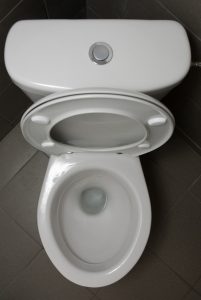
toilet-with-button-flushYou go to flush your toilet and it flushes just fine… but then it flushes again. You noticed this happening a while ago and you thought it was odd, but you brushed it off because it seemed harmless. Now it’s been going on for a while and it’s creating a distinctive pit in your stomach every time it happens. You know this is a problem waiting to happen. Now, you might want to ask yourself the question: “What should I do?”

First, you should contact our team members for toilet repairs in Orlando, FL. We’re completely prepared to fix your odd toilet issue in no time. Today, let’s take some time to understand why this is happening.

The Backstory

To really understand why your toilet is flushing twice, you need to understand the basics of how a toilet operates.

The two main parts of your toilet are a bowl and a tank. When you go to flush your toilet, you push down the handle and the water that’s stored in the tank flows down into the bowl. This is the flush you’re used to seeing on your end. Once enough water flows into the bowl, the waste in your toilet and the wastewater ushering it down flush down into your home’s sewer line.

After the flush is complete, the fill valve in your toilet starts to refill the tank to the standard level. Then your toilet is back at square one and ready to be flushed again.

Why Your Toilet Is Flushing Twice

Understanding the way that your toilet works is essential, but you’re still going to need to understand why your toilet is flushing twice. Let’s get into this now. There are two main reasons why your toilet might do this.

Reason #1: Lightweight Toilet Flappers

The first problem that you might be experiencing is having a toilet flapper that’s too light.

Your toilet flapper is the door that opens to let the water in your tank move down into your toilet bowl. The flapper has a certain weight, so it closes at the appropriate time after you’ve flushed your toilet. If your flapper is too light, it won’t close fast enough after you flush your toilet.

On the inside, this looks like water continuing to enter the bowl even after your flush is over. On your end, this looks like your toilet flushing two times.

Reason #2: Too Much Water In Your Tank

You could also have the problem of having too much water in your tank. Too much water in the tank means that when you go to flush your toilet, there’s an overflow. The extra water continues to pour into the bowl and refills it quickly. This results in your toilet bowl flushing two times.

Trust Professionals for Toilet Repair

Don’t ignore your double flush! It might not be as dire as a toilet leak, but it’s terrible for your toilet efficiency. Help your home by relying on certified professionals to fix your home.

Contact Modern Plumbing Industries, Inc. for your toilet repair services in Orlando, FL.


This post first appeared on https://www.modernpi.com

Is Soft Water Safe? For You, Your Pets, Your Plants: The Answer You Need

We are a participant in the Amazon Services LLC Associates Program, an affiliate advertising program designed to provide a means for us to earn fees by linking to Amazon.com and affiliated sites.

We’ve seen water softeners for sale on the market and read about the damage hard water can do to our fixtures, but is soft water safe?

In a nutshell, hard water contains a lot of manganese, calcium, and other types of minerals. These substances can dry out our skin and hair while also creating an impact on our health. So, if soft water is the solution, the question of its safety arises.

With a water softening system, you can get soft water for showering, cleaning, and drinking. This type of water provides several benefits: it can improve your skin and doesn’t leave soap scum.

The question remains, though; is soft water safe? No matter how tempting the sound of soft water is, there’s still some doubt about its safety. Let’s have a closer look at this issue now.

What Exactly Is Soft Water and Is Soft Water Safe?

A glass of water with a lemon wedge that makes you ask is soft water safe.

Soft water is hard water that’s gone through a water softening system. For example, in places such as Arizona, the water is mineral-rich. It has limestone, gypsum, and chalk deposits.

While there might be some benefits of hard water (perhaps, drinking water rich in calcium could give you your daily quota of that mineral), the verdict is still against this substance.

If you shower and wash your dishes too often with this kind of water, you’ll soon be experiencing dry skin, stained utensils, and scummy bathrooms.

What’s more, hard water will increase the mineral buildup on your fixtures and fast forward the wear and tear on your household items.

Since most of us get our calcium and magnesium intake from our food intake, the extra minerals aren’t needed either. All of these are excellent reasons why water softeners are so popular.

Recommended Read: Water Softener Buying Guide – Things to Consider

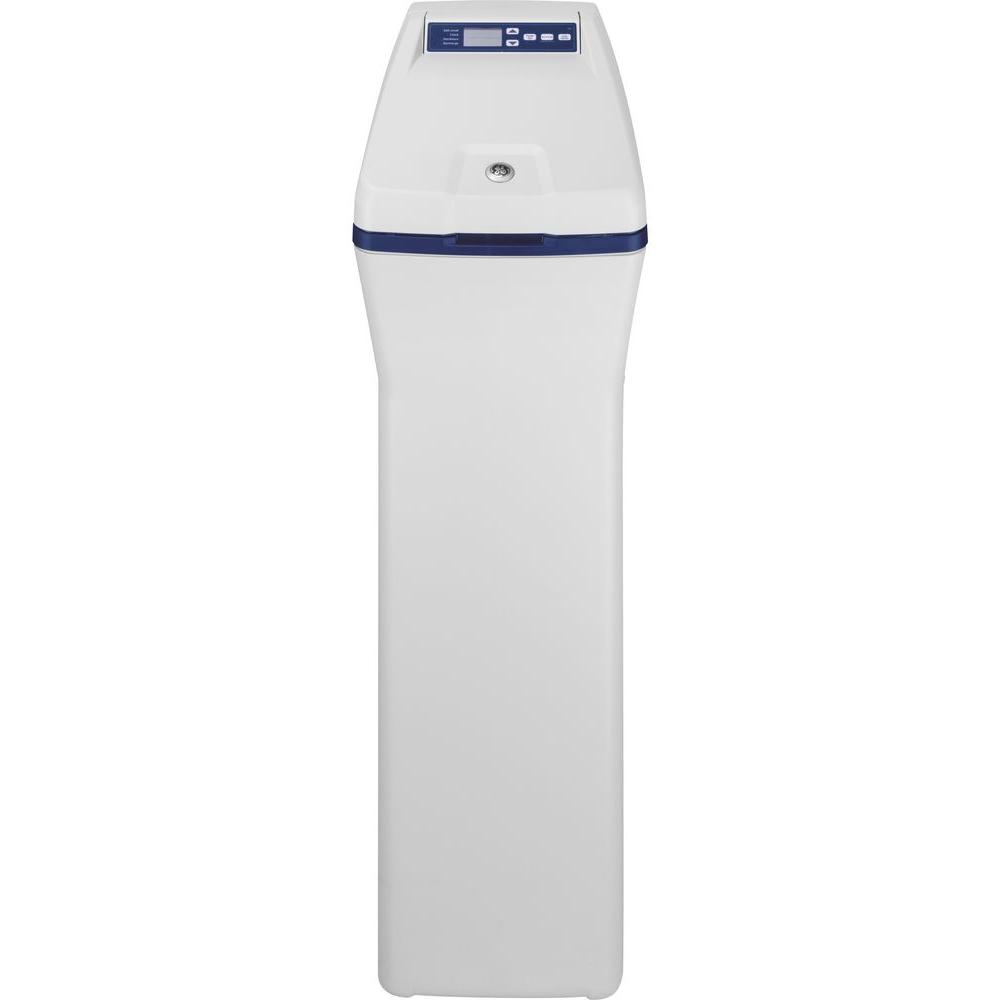
Water softener systems use a filtering system that separates ions of minerals (especially magnesium and calcium) from hard water. The result is soft water, which won’t wreak havoc on your skin, hair, appliances, etc.

But what about drinking this type of water? Is soft water safe?

After all, a regular water softener will swap manganese and calcium ions for sodium ones. As a result, soft water has more sodium in it than hard water.

However, it does seem like soft water is a fairly safe option for drinking. Many people within the U.S. have already consumed soft water without realizing it and without any issues.

A lot of cities in the U.S. have hard water in their taps. As a result, most residences, businesses, and workplaces in almost every state have water softeners installed. This includes the water that’s intended for human and animal consumption.

Is the Sodium Content in Soft Water Safe?

A glass of water sitting on a napkin.

The general answer is that you can safely drink soft water. However, there are a few outlying factors. If you want to make an informed decision regarding soft water, you should consider these as well.

First of all, the sodium. This isn’t the same as salt. Still, you should be aware that soft water has around 20 percent more sodium in it than the hard version.

It’s also a wise idea to ask your health practitioner about the usage of soft water if you’re dealing with specific health conditions such as high blood pressure.

Most people’s sodium intake in the U.S. is related to food. Soft water is on the list but at a low level. The suggested cap for sodium according to the Dietary Guidelines for Americans is 2,300 mg per day.

In one 8-ounce glass of soft water, we get 12.5 mg of sodium. This is hardly a considerable amount. Therefore, it’s probably safe to ignore the sodium content here.

If you’re worried about limiting sodium intake, it’s wise to watch your diet for better results. Some folks might have specific health issues, though. For those, we suggest being careful of any sort of sodium intake.

Ask your doctor “is soft water safe?” if the sodium content is making you worry more about consuming soft water.

Is Soft Water Salty (and What Can You Do About It)?

A pitcher of water and a glass of water with ice and strawberries. It looks yummy but is soft water safe?

While it’s clear that we can safely drink soft water, the problem of whether we should do so is another matter. This confusion usually arises when we talk about the taste of soft water.

Let’s clear up one thing first; soft water isn’t meant to be salty. If your water softener is producing salty water, then it needs a proper setup and maintenance session.

The salty water usually only comes out when the system is in need of some servicing and fine-tuning. So, it’s best if you don’t drink salty water from a water softener system.

Soft water isn’t completely flavorless either; some like the taste, some don’t. The latter is in the majority but trying it once won’t hurt.

Even if you don’t like the taste of soft water, you might be able to get a company to install two kinds of taps in the sink. One will give you regular hard water while the other will provide soft water.

That means you can use hard water to drink and cook; and soft water for washing dishes, clothes, and your body.

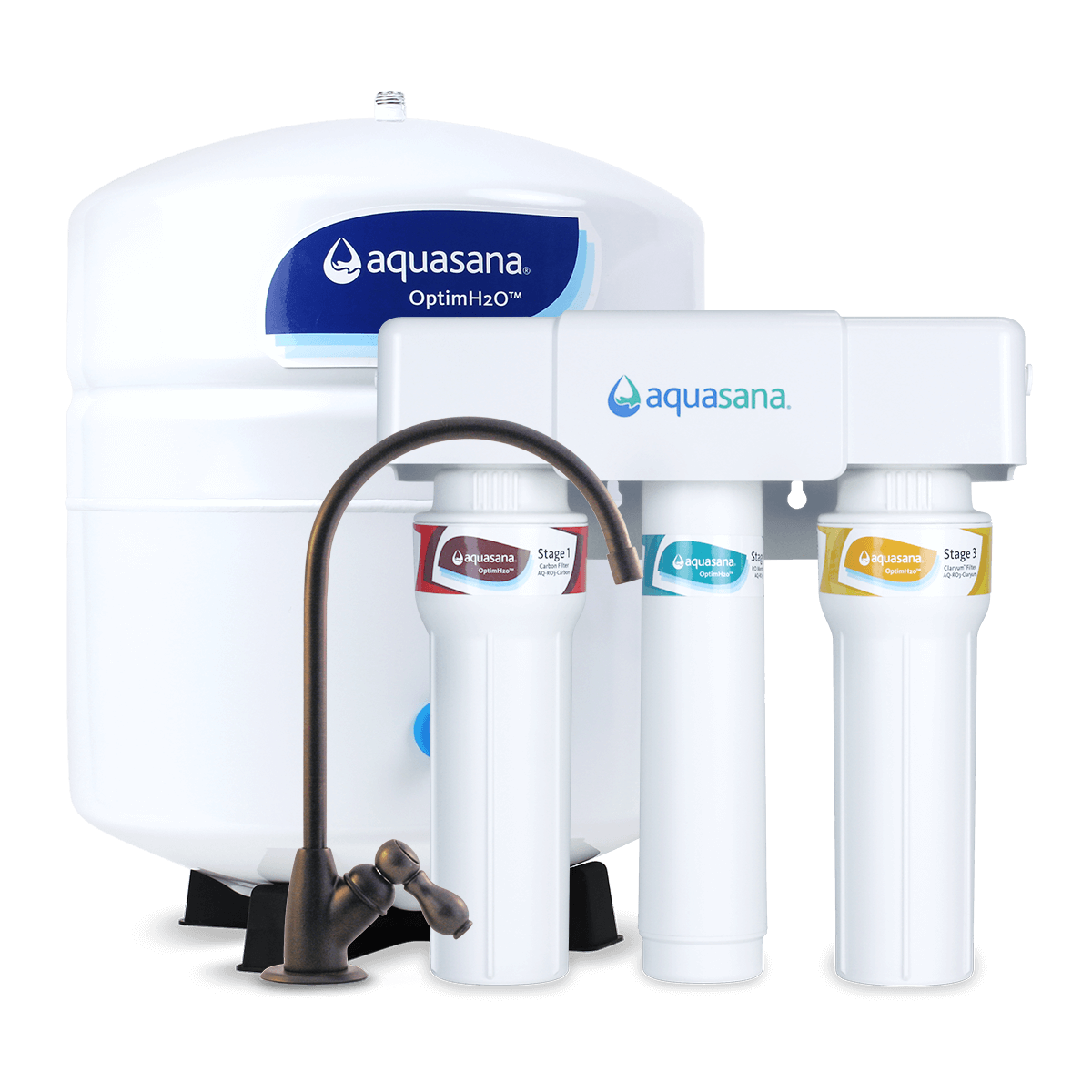
Another good tip here: you can get a reverse osmosis water system to do away with the smell and taste of soft water.

Is There Such a Thing as a No-Salt Water Softener?

A pitcher of water with lemon wedges, honey, and mint leaves.

You might find numerous companies offering their water softeners and claiming that they soften water but don’t add sodium. The offer might seem tempting, especially when the company demonstrates how the water is cleaned with the help of magnets.

Unfortunately, such options are most likely scams. No legal and legitimate HVAC company will offer them. If you purchase one of these systems, you shouldn’t be surprised if it doesn’t soften the water at all.


The only way to get softened water is to swap the ions in it. If you’re against using sodium in any form, there might be some that make use of potassium for crystallizing the minerals.

Is Soft Water Safe for Babies?

A baby drinking a bottle but is soft water safe for babies?

Hard water is usually not good for a baby to consume. That’s why you shouldn’t consider putting it in a baby’s formula. The baby’s immune and internal system isn’t strong enough to filter out all the hard minerals yet.

So, does all this mean that soft water is fine to use for babies? Some sources agree as they’ll recommend introducing the baby to a soft mineral water when they start eating solids.

Other experts say that a parent should go right to the hard water and drink that for as long as possible.

To get the best answer, you should visit your baby’s pediatrician and have a chat. Make sure to consult a doctor that you’re comfortable with and who doesn’t mind answering all your questions.

Is Soft Water Safe for Pets?

A dog drinking water out of a bowl. Is soft water safe or pets?

Soft water is good for kids, adults, and dogs as long as they’re in a healthy condition.

Of course, if your dog has a kidney or heart disease, even a moderate intake of sodium will put their health at risk. The best option here is to clear your doubts with your local veterinarian.

How to use soft water Safely for pets

If you’re going to use soft water for your pet, take heed. With some dogs having small bodies, the effect of soft water might be a bit serious.

To begin with, water softeners don’t put too high sodium content into water. We’ve discussed that before; the sodium content wouldn’t harm a healthy human. The same goes for most pets but you do want to make sure that the animal is as safe from harm as possible.

If your pet has a health condition that requires you to manage their sodium intake, ask their vet about their consuming soft water. In the meantime, you can get them used to soft water by mixing it with some other type of water.

If the pet is used to consuming hard water and is now cleared for drinking soft water, go for the change a bit gradually. If you change the water all of a sudden, this could be a shock to your pet’s stomach as well as their feelings.

What you might want to do is give the dog a mixture of tap and bottled water. Over time, slowly decrease the hard water ratio in the bowl or glass.

Is Soft Water Safe for Houseplants?

Water being sprinkled over flowers.

While softened water might be better for chores around the house and personal hygiene, it’s natural to be confused about watering your plants with soft water.

Since soft water has some sodium or potassium content, it’s not ideal to use it for watering plants. The relatively high sodium content can wreak havoc on the water balance in your houseplants.

What’s worse, it might even kill off the plants by making them think they’ve taken up enough water.

Plus, the salt in that soft water will cause damage to the plants and also cause a buildup over time. These buildups will then prevent more plants from growing. It might even throw off the pH in the soil.

However, that doesn’t mean you can never use your water for any kind of gardening if you’ve installed a water softening system. There are a few easy ways to get around this difficulty.

First off, you can install a bypass spigot so that you take water for your garden before it gets to the water softening system. That will also allow you to utilize hard water directly from the pipe without having to install separate taps for each kind of water.

A second way is to mix the softened water in distilled water or rainwater, which will reduce the effect of the sodium in the soft water, making it less damaging for the plants.

However, if you do this, stay aware of the possible salt build-ups over time. You’d have to regularly test your garden soil for its salt levels and balance things out if a problem occurs.

How to correct salt levels in your soil

If you’ve used softened water a lot in your garden or have used it for a long time, you might have to correct the soil’s salt levels. Too much salt will hinder the plant’s growth and might even prevent new life from flourishing there at all.

While there are no chemical options for reducing salt in the soil, you can easily flush it out by more watering. Of course, make sure that the watering isn’t done with softened water.

All you have to do is water the soil frequently. This is a leaching process that draws the salt out. Once that’s done, it will push the salt in even deeper or let it stay on the surface to get washed away.

While that might be an effective way to get your soil balanced again, the process will also flush out the essential minerals and nutrients every plant needs for growing and developing.

If you do decide to use softened water for your houseplants, diluting it first might be the best way to go. Though it might not be a necessity, the precaution is worthwhile for maintaining the pH balance and avoiding buildup in the soil.

Recommended Read: 6 Best Water Softeners on the Market

So, Is Soft Water Safe?

Is soft water safe? If this is a question that has been pestering you for some time, the discussion above was hopefully useful.

To summarize, the sodium content of soft water isn’t enough to cause harm to a human adult or a pet if they’re healthy otherwise. However, you may want to avoid it due to certain health conditions, both for yourself and your furry friends.

For babies, you should consult a medical professional first. That should be your first call if the soft water seems a bit off to you.

In any case, drinking soft water certainly has its benefits and challenges. You can try it for a few days and let everyone know about your experience.

Have you used soft water? If so, share your experience in the comments below. It might help others make a sound decision!

This post first appeared on http://www.theplumbinginfo.com

How Safe is Your Home’s Water?

infant drinking glass of water
We all have enough to worry about when it comes to our health and well-being. Worrying about how clean and safe our home’s water is, shouldn’t be one of them.  Here are some reasons you may need a water filtration system and if you notice any of the following, you should have your water tested.

  • Your water supply is near a septic system
  • Your home’s plumbing system is aged
  • Your notice staining when you do laundry
  • Your water tastes “funny”
  • You live near an area of intensive farming
  • Your water has a salty taste
  • You had a chemical or fuel spill near your water supply
  • You got a notice from your water supplier of a boil-water alert

You can have your water tested by contacting your local health department or you can contact a state-certified laboratory. You can find the laboratory serving you by contacting the Safe Drinking Water Hotline at 800-426-4791 or on the EPA website.  Also, the experts at Len The Plumber can also provide you water analysis testing for things such as pH, Iron and other mineral contents that can be unsafe and undesired in your water.

Determining what is in your water will help when choosing the right water filtration system for your home. Water filtration systems can remove contaminants such as:

  • Lead
  • Microbes
  • Radon
  • Arsenic
  • Pesticides

6 Popular Water Filtration Options

A water filtration system can be installed at an individual faucet which will only affect the water quality at that particular point-of-use or it can be installed at the juncture where the water enters the home.

  1. The most basic water filtration option is a carafe system that uses a manual-filled pitcher with a filter cartridge. It’s inexpensive but also labor intensive for homes that go through a lot of drinking water daily.
  2. A simple option is attached to a faucet for an easy and quick filtration The downside is not every faucet works with faucet-mounted filters.
  3. One of the most commonly used filtration systems is one that is installed under the sink and uses cartridges which trap chemicals, metals and other contaminants.
  4. Another popular system is an ion exchange filter system. This system uses positively charged ions to collect ions that are harmful such as magnesium, barium and other harmful chemicals.
  5. Reverse osmosis units, which filters water through a membrane, is often used as an effective system to remove nearly all contaminants from the water. The filter does its job, but does require upkeep to make sure it is running smoothly and efficiently.
  6. Whole house water treatment systems treat all the water entering the home not just the water used for drinking. These systems are convenient and effective, and the most comprehensive. A professional plumber can evaluate your home’s plumbing and how it would integrate with a filtration system. If your home is on a well water system, a whole home water filtration system might be the best option for you.

Which Water Filtration System Should I Choose?

Before selecting a water filtration system, consider how you expect to use the filter and determine your budget. High-demand homes might be best with a system the provides ample filtered water daily.

Give yourself peace of mind knowing that your water is the safest it can be for you and your family. If you are considering a water filtration system, our experts at Len The Plumber can help. Call us today for a free analysis of your plumbing system. Len The Plumbers are your Mid-Atlantic plumbing professionals.

This post first appeared on https://lentheplumber.com

How to Plan For a Basement Flood

When rain falls, do you start sweating just a little? Having a basement prone to flooding can be the cause of a lot of stress. If you live in an area that is prone to torrential rain or flooding problems, or even if your plumbing system has been under the weather lately, you should be prepared for a basement flood. Knowing what to do is key to prevent long-term damage to your basement. 


Here are some ways to plan for a basement flood: 


Keep Your Gutters and Downspouts Clean

It might seem like a stretch to say that unclean gutters and clogged downspouts could cause your basement to flood, but it is very possible. In fact, when the gutters on your home are stuffed with leaves and other debris, that water is not going to be transported away from the foundation. On the contrary, it’s going to go towards the path of least resistance—trickling down the facade of your home, right towards the foundation. 


If there is even a single bit of weakness in the foundation, that water pooling around the border of your home is going to find its way inside. From there, the water could remain, undergoing the freeze-thaw cycle, widening the cracks, and eventually, infiltrating your basement. 


So, if you want to curtail a flooded basement this year, make sure you are keeping the gutters unclogged. It is best to check them out at least twice a year—during spring and the beginning of autumn. But you should check more often if your yard has a lot of trees or if you just experienced an intense storm. 


Change The Angle of Downspouts 

Again, we can’t warn you enough about how essential gutters and downspouts are. When the downspout isn’t functioning correctly, the water getting shuttled away from your home is going to pool in places it doesn’t belong. When that happens, you could get large swathes of saturated earth all around your foundation. The dampness could negatively impact your foundation for the same reasons we mentioned above. 


Keep puddles from forming around your home by angling those downspouts towards sections of the yard with better drainage or towards the road. Try to prevent water from pooling in low-lying areas too close to your home’s foundation. 


Inspect Your Plumbing

Next, get a professional plumber into your home to check for leaking pipes and backed up sewer lines. Though basement leaks are often caused by roofing issues, a broken pipe somewhere in your home could be draining into the basement, too. If you notice any gurgling drains after a shower or running the dishwasher, there could be a clog backing up water and putting pressure on the system


A plumber will be able to recommend some remedies and, ultimately, prevent basement flooding. 


Install a Sump Pump or Backwater Valve

Even if you haven’t experienced a basement flood, living in an area known for flooding is a risk. That means you should invest in a sump pump. Consider a “better safe than sorry” measure. Sump pumps are ideal for removing water from the basement and storing it in a basin. This keeps minor and major flooding from getting too serious. 


If you have a sump pump, make sure you are getting it inspected. Also, make sure you know how to work it. 


Another option is a backwater valve. You can have this installed on the main drain. A backwater valve was designed to stop waste water from washing back into your home, but it will also work to stop water from returning if the City water system gets overwhelmed during floods. Best of all, many municipalities will help you cover the cost. 


Check For Perimeter Flaws

A number of exterior and interior factors could cause basement flooding. Take a walk around your home, looking for places where the foundation is damaged. Do the same thing on the inside. Seek out areas where mold and mildew has grown or where discoloration from water damage is apparent. Get up on the roof to search for spongy sections or where water could have seeped in. Sometimes, a small hole in the roof will let moisture trickle down through the structure of the house right to the lowest point, your basement. 


Don’t forget to check the windows, particularly ones that let natural light into the basement. You want to make sure all the seals are in place. If you find that there is a lot of condensation, use window well covers to stop moisture. 


Install Flood Sensors 

Technology can be a huge boon in planning for a basement flood. Some companies offer smart water sensors that will send you notifications when increasing moisture in the basement is sensed. That way, you are alerted before the problem gets out of hand. 


What to do if Your Basement Floods

Has your basement flooded before you could implement your plan? Restoring water damage can be intimidating, and it could put a dent in your finances. But you are going to want to solve the problem sooner than later. It’s never just a little bit of water that you can ignore. 


Even a small puddle of water on the basement floor can cost you thousands of dollars. Don’t delay clean up, since that can make any issues, such as mold and mildew growth, much worse. 


Here are some steps to jump start the restoration of your flood basement: 


  1. Shut the water and gas lines to your home off as soon as possible. Also, you should call the electric company, since wet electrical work may increase the chance of shock.
  2. Contact a plumber for emergency services. They can help you find the cause and start working on repairs immediately.
  3. Deodorize, sanitize, and cleanup. Make sure you remove any soaked carpets and furniture, since they will breed mildew and mold. 


Conclusion

Having preventative measures and a plan will help you when the rain starts to fall or a pipe breaks. No one wants to deal with a flooded basement, but when you have done maintenance and installed a sump pump, such problems are much less daunting. If you have recently experienced a basement flood, be sure to get in contact with a plumber to get your restoration underway. 

The post How to Plan For a Basement Flood appeared first on The Irish Plumber.

Bad-Smelling Plumbing? Here Are Possible Causes

woman-covering-mouthYou don’t want your house to have the smell of a sewer drifting through it, but this can sometimes happen to even the cleanest house because of troubles with the plumbing. If your house has terrible odors making daily life unpleasant, you’ll want to know the source and have it corrected.

We’re going to look at common causes of foul smells from plumbing in Peoria, AZ. This can help you know what to do about them. Our plumbers are ready to help make your house smell fresh again, and we have 24-hour emergency service to correct any plumbing disaster you run into.

ONE: Problems with the sewer line

We’ll start with a worst-case scenario, but unfortunately a common trouble for residential plumbing systems. The sewer odors in your house may actually be emanating from the sewer line itself. When the sewer line is in regular working shape, it moves wastewater from the drains in your house out to the municipal sewer line without you noticing. But if the line develops breaches, clogs, or root infiltration, it will begin to push sewer gas the wrong direction through the plumbing. The odors are a warning: unless the sewer line issue is addressed, actual sewage backup will eventually occur. You need professional plumbers on the job ASAP!

TWO: Blocked drain vents

Drain vents are the pipes that allow sewer gas to escape up through outlets in the top of the house. This prevents a buildup of pressure between the sewer line and the drains. If these escape-route pipes become clogged, they will push gas up through the drains. 

THREE: The dried p-trap

Here’s an easy one you can fix yourself. Can you track the bad odors to a single drain? If so, is this a drain that hasn’t been used in a few weeks? Then the trouble is that the p-trap—the curved section of pipe that holds a barrier of water—has dried out and sewer gas is rising through it. Simply run water down the drain for a minute or so to restore the p-trap’s water barrier. 

FOUR: The dirty garbage disposal

When you consider how much food waste goes down your kitchen’s garbage disposal on a regular basis, it’s surprising that it doesn’t develop odors more often. But disposals are designed to rapidly move ground-up waste into drain lines and leave little residue. The residue can build up over time, and if the disposal is malfunctioning it can cause a large accumulation of rotten food. The disposal may need to be cleaned, although for older units (more than 10 years) it may be better to replace it.

FIVE: Bacteria

This an issue you may encounter from the shower drain. Bacteria can develop within a substance called “biofilm” that grows inside shower drains because of soap, shampoo, and other body-cleaning products accumulating. It can affect other drains as well, and the best approach to solving this problem is with drain cleaning. No, don’t use chemical drain cleaners! They won’t solve the issue. It takes professionals drain cleaning to wipe out a biofilm buildup in drains. 

Trust The Trusted Plumber! Call us for emergency plumbing repair in Glendale, AZ and the surrounding areas. 

This post first appeared on https://www.thetrustedplumber.com

How Can You Tell When It’s Time to Replace Your Water Heater?

The water heater is an essential appliance that does its important job faithfully, day after day, without much notice – until it’s no longer as dependable as it used to be. Yet determining the time when repair isn’t cost-effective or when to be proactive and replace it before your water heater conks out completely is easier said than done. Fortunately, there are telltale signs to look for and factor into your decision to buy a new unit.

While our state-certified master plumbers at Adams and Son Plumbing have extensive experience answering emergency calls about water heaters that suddenly expire and/or empty their contents all over the utility room floor, we’d rather spare Central Florida homeowners the stress. Here is what you need to know to avoid trouble and extra expense.

How to Tell Before Trouble Starts – How Old is Your Water Heater?

The average lifespan of a typical electric storage tank water heater is 10 to 15 years; that of a gas storage tank water heater is eight to 12 years. Tankless models can last 20 to 30 years.

But what if you don’t know your water heater’s age – which is possible if it was in place when you bought your house? For a tank model, one sure way is to check its serial number. This is typically located on the manufacturer’s sticker on the upper half of the tank. But as if to make things complicated for the average homeowner, it’s listed in code. Decoding the serial number can be tricky, as they vary by manufacturer. Hot Water Solutions provides a helpful guide to make sense of it all.

When you know your water heater is nearing the end of its useful life, you can plan accordingly. You’ll have time to compare and choose the model best suited for the size of your house and the amount of hot water your family uses on average. You may even be able to switch from tank to tankless. This is a far better situation than having to replace your unit during an emergency, when you’ll need to take whatever is available.

Has Trouble Started? Here are the Signs to Look for!

While a leak is the most obvious sign, it isn’t really a sign – it’s the aforementioned emergency. Moisture or a puddle around the unit’s base means you don’t have the luxury of shopping around. Replace it immediately! Leaks are usually caused by a build-up of pressure inside the tank. This occurs when the water pressure or temperature is too high, or when the relief valve isn’t working properly. Neglecting a leak can lead to the tank exploding. Need we say more?

One of the first indications of trouble could be a sudden increase in your utility bill. If there is no other cause (such as a pipe leak), your unit could be expending extra energy to provide the same amount of hot water. Should this be the case, look for the other following signs:

Rusty or cloudy water – Water discoloration is a definite sign your unit is underperforming. Rust-colored water, or water with a metallic odor, can mean a few things. Either the sacrificial anode rod needs to be replaced or the tank itself is beginning to rust, which is often due to corrosion of the steel lining. A rotten egg odor indicates the growth of bacteria in the tank. A corroded tank must be replaced as soon as possible. Cloudy water often indicates a sediment buildup inside the tank, and if the water remains cold, a heating element may be broken. If this is the case, the heating element can be replaced, but be on notice that replacement time may be near.

Rusty pipes – Rust could also come from the pipe that brings water to your faucets. Regardless of the source, you need to address the problem urgently because it is a sanitation issue. To check whether the problem is with your water heater or your pipes, you can open your hot water tap and let it run for some time. If the rusty water continues to flow by the third bucket load, it means the rust problem is in the water heater.

Rusty valve/inlet – If you see rust around the water inlet or pressure relief valve, it means there is rust present in the tank. It also means it’s time to replace the unit as soon as possible. 

Knocking noises – If you hear loud noises coming from your water heater, it means there is sediment buildup inside the tank. When the sediment hardens, it can start moving around the tank, causing those unwanted sounds. 

Once there is sediment buildup in your water heater, it starts consuming more energy to heat the same amount of water. The knocking sound is another indication that your water heater has lived its life of faithful service. If you want to increase the life of your water heater, flush and clean your tank periodically (or call a plumber to do the job).

Cold water – If the water heater dispenses cold water instead, a tripped limit switch, misadjusted thermostat or broken heating element could be the culprit. First, check the water heater’s circuit breaker in the service panel to make sure it hasn’t tripped. If the breaker has tripped, switch it off, then switch it back on again. If the heater’s breaker did not trip (it is still on), try to reset the high-temperature limit on the heater. Our blog post – “Why Does My Hot Water Never Last Long Enough?” – offers troubleshooting tips, as well as how to tell when it’s time to call a plumber.

Another reason could be that the water heater is too small to provide enough hot water for your household’s needs. If the size of your household has increased recently, you may need a larger capacity tank.

Repair or Replace? Which Type of Water Heater is Best for Your Home?

There are occasions when your water heater can be repaired. Some of the replaceable parts include the burner assembly, heating elements, thermostats, valves, thermocouples, motors and igniters.

You can consider getting your storage tank water heater repaired if it is less than 10 years old and a replaceable part fails. However, if it is more than 10 years old, you haven’t maintained it properly, or you see any of the signs mentioned above, you should consider replacement. Repairs are generally not cost-effective once the unit reaches the average limit of its useful life.

As a water heater is an important investment, you need to consider which type is best for your home based upon cost, efficiency and longevity. Traditional storage tank units are still the most popular. However, tankless water heaters are quickly increasing in popularity.

Tankless water heaters use high-powered burners to rapidly heat water as it runs through a heat exchanger and deliver it directly to your faucets or shower without storing it in a tank, providing hot water on-demand. Tankless water heaters are powered with electricity or gas. One of their main advantages is energy efficiency, as they were found to be 22% more energy efficient on average than gas-fueled storage-tank models in tests conducted by Consumer Reports.

Storage tank water heaters are more common. They have an insulated tank that can hold 30 to 50 gallons of water. These water heaters run on gas or electricity. Natural gas storage tank water heaters are more energy efficient (almost 50%) than their electric counterparts. Natural gas storage tank water heaters are slightly more expensive than electric models. These water heaters also have a temperature and pressure release valve that opens up when the pressure or temperature increases beyond the specified limit.

Compared with storage tank water heaters, homeowners who have tankless water heaters and use less than 41 gallons or less of water per day can save anywhere between 24% to 34% in energy costs. If you use around 86 gallons of hot water every day, you can still save 8 to 14% on energy costs. Also, compared to storage tank units, tankless water heaters are less prone to corrosion. Another plus: The lack of a tank eliminates the possibility of a catastrophic water leak that can damage flooring, furniture, etc.

According to U.S. Department of Energy estimates, in comparison to a traditional gas-powered storage tank water heater, a gas-powered tankless water heater can save an average of $108 in energy costs every year. An electric tankless model can save an average of $44 every year over their traditional tank counterpart.

Tankless water heaters can save you money in the longer run, have a longer lifespan, don’t occupy too much space, and can instantly provide you hot water. But this type is more costly than storage tank water heaters, installation is more complex and expensive, and it might not be able to keep up with demand if you are doing numerous chores requiring hot water at the same time.

Storage tank water heaters are not all that costly, and their maintenance and repairs are less expensive. But storage tank water heaters are less energy-efficient, occupy more space, can store only a limited amount of hot water and have a lower lifespan as compared to a tankless model.

The Take-Home Message

Now that you know how to determine whether to repair or replace – as well as the pros and cons of storage tank and tankless water heaters –you will (hopefully) be able to select your next unit based on the factors and features you consider important, rather than under duress.

Whether your water heater needs repair, or you’re ready to replace it, call us! Adams and Son Plumbing is a family-owned business with over 50 years in plumbing service. A state-certified plumbing contractor, we have over three generations of master plumbing experience. Contact us to learn more and schedule a service appointment.

The post How Can You Tell When It’s Time to Replace Your Water Heater? appeared first on Adams and Son Plumbing Services.

How to Install a Bidet Attachment in 9 Simple Steps

We are a participant in the Amazon Services LLC Associates Program, an affiliate advertising program designed to provide a means for us to earn fees by linking to Amazon.com and affiliated sites.

Learning how to install a bidet attachment is a fantastic way to save money. Not only do you save money by installing it yourself, but modern bidet attachments use very little water, so they remain cost-effective to use.

Furthermore, you may never have to repurchase toilet paper, and if you have a big family, you know all too well how much you go through every week.

The bidet found popularity in the 1600s, especially in Europe. However, the refreshing cleaning device failed to ignite bottoms in America, though our growing awareness of the environment may change that.

So, if you want a hyper-clean bottom and would like to save money simultaneously, you may wish to learn how to install a bidet attachment.

How to Install a Bidet Attachment

A bothroom with stone and marble that is worth taking the time to learn how to install a bidet attachment

Unlike a free-standing bidet, which can be challenging to fit, a bidet attachment is a job you can complete within a couple of hours on the weekend.

Most bidet attachment kits supply the main elements needed to complete the job, though you may also need a few essential tools.

A bidet attachment fits the existing seat. After fitting the T-valve adaptor, you re-attach the water supply and connect the hose to the bidet attachment and T-adaptor. Once you place the toilet seat back in position, you can start to use the bidet for a deep-down clean!

Some basic equipment

Don’t feel intimidated when you learn how to install a bidet attachment because they come with full instructions. Furthermore, the kit supplies most of the parts you need to complete the job.

The kit arrives with a 7/8 inch connection T-adaptor, a toilet bidet seat mounting attachment, and a length of flexible water hose. However, you might need to stock up on some basic bits and pieces to complete the job successfully.

What you need

A good quality wrench proves vital to complete the job. Ensure you use the appropriate size as forcing the issue with an ill-fitting wrench may damage the system and cause water leaks.

Plumbers tape seals the water connections and provides an excellent seal. If you don’t use the tape, you may find that water drips from the pipes and valves, and then you have to start all over again.

A range of screwdrivers helps you to fix the bidet attachment and toilet seat into position. Don’t use old battered screwdrivers because you run the risk of ruining the heads of the screws, and the last thing you want is a loose loo seat!

What Is a Bidet Attachment?


Buy at Walmart.com

A bidet attachment consists of a fixture that goes at the toilet seat’s backside and contains a nozzle facing your rear end.

Usually, a small control unit allows you to turn the device on and control water flow. Some units use dual nozzle systems for front and back use, while others will enable the user to control the water’s direction.

How does a bidet work?

A bidet forms a hygienic alternative to using toilet paper. It works by directing a stream of water through nozzles to clean your nether regions after contemplating on the loo.

The bidet uses water directly from the main water supply. Consequently, the water remains clean and sanitary. Furthermore, most bidets use self-cleaning nozzles, but it’s a good idea to clean them when you undertake your regular toilet cleaning chores.

From a hygienic perspective, a bidet provides you with a deep-down clean. Toilet paper tends to extend the problem of waste rather than eradicate it, leading to unhealthy and unsanitary conditions.

However, a bidet uses water to remove the offending waste so that it doesn’t come into contact with any other parts of your body.

The benefits of using a bidet attachment

When you learn how to install a bidet attachment, you may discover some fantastic benefits of using the system.

When you use a bidet, you don’t need to use toilet paper. Consequently, the process proves environmentally friendly because you’re not flushing copious amounts of paper into the drainage system.

Furthermore, the risk of blockages, clogging, and the resulting repairs lessen significantly when you use a bidet.

Recommended Read: 10 Plumbing Fails You Need to See

Health benefits

Using a bidet is healthy and hygienic when compared to using toilet paper. It leaves your behind feeling cleaner, fresher, and healthier.

Some people find toilet paper uncomfortable to use and may develop a rash or sore skin from using paper. When you consider toilet paper, it consists of nothing more than dry paper, which may irritate the skin. Anyone who suffers from irritable bowel syndrome knows all too well the pitfalls of constant toilet paper usage.

Washing your behind with water is a gentler alternative to rubbing the sensitive area with dry paper!

A bidet is gentle on the skin, and the flush of water after using the loo leaves you feeling refreshed and squeaky clean.

Save money

Money is tighter than ever, given our current worldwide circumstances, so using a bidet cuts out the toilet paper bill. Furthermore, a bidet attachment uses less water than a conventional stand-alone bidet, so it may save you money on your water bills.

Stand-alone bidet systems cost more to buy and install than a bidet attachment. Imagine all that expensive plumbing and groundwork to install a bidet. For many of us, such a cost is out of the question.

However, when you learn how to install a bidet attachment, it is easy to achieve and cost-effective.

How to Install a Bidet Attachment Explained

We understand that using a bidet is cost-effective and leads to a healthy, clean derriere.


When you buy a bidet attachment, it arrives with detailed instructions to guide you through the process, but the unit’s fitting proves more manageable than you may think.

Step 1

Begin by shutting off the water supply for the toilet and flush the toilet to empty it. The last thing you want is toilet water gushing all over you as you work!

Step 2

Use your spanners to disconnect the hose attachment from the bottom of the toilet tank.

However, take care not to strip the connections when unscrewing them and don’t apply too much force. Make sure to use the appropriately sized spanner and lubricate the area with a bit of WD40 if necessary.

Step 3

Use good quality screwdrivers to remove the toilet seat. Be careful not to damage the screw heads as you need to replace them afterward. Ensure the head of your screwdriver remains true to shape to avoid ruining the screws.

Before you move on, wipe the area down to ensure everything stays clean and free from water.

Step 4

It’s time to fit the T-vale adaptor to the bottom of the toilet bowl. Take your time with this step and use your wrench gently because you don’t want to overtighten the screw and risk threading them. Apply a little of the plumber’s tape to the screws to achieve a good seal.

Recommended Read: What Are the Main Toilet Parts & How to Properly Assemble Them?

Step 5

When you re-attach the water hose from the water hook up to the T-adaptor’s bottom, you may need to use a washer or additional plumber’s tape to prevent leakage. Take your time and use the spanner gently without forcing the bolts into place.

Step 6

Take the flexible hose supplied with the kit and attach it to the T-adapter. You may use a little plumber’s tape on the joints to ensure a successful seal but take care not to overtighten the fittings. Attach the other end of the hose to the bidet water attachment and set it aside.

Step 7

You may find a piece of rubber inside your kit, which you attach to the underside of the seat mounting. Use the grooves on the underside as a guide for the correct placement of the rubber.

Now, line the unit up with the toilet seat screw holes and lay the bidet flat on top of the toilet.

Step 8

Place the toilet seat on top of the bidet attachment and ensure the holes line up before inserting the toilet screws. Take time to ensure perfect alignment and tighten the fixings once you feel satisfied with the positioning.

You need to ensure the fixings stay tight. If not, you may find yourself sliding off the toilet when you use it, and that’s not a good look!

Step 9

Now it’s time for the big reveal! Turn on the water. At this stage, ruin your fingers around each joint to ensure no water leakage. If you find water dripping from a joint, you may need to tighten the fixing further to form a tight seal.

A job well done

Learning how to install a bidet attachment is easy when you follow each step and take your time. Don’t rush the job, and ensure you use good quality tools as you work. The plumber’s tape is an invaluable tool because it helps seal the joints to lessen leakage risk.

Troubleshooting

Once you complete the job, it’s time to run the system through its paces. However, if you come across any issues, you must attend to them immediately.

Leaks

If you discover any leaks, you may need to tighten the joints. In some cases, you may need to turn the water off and re-do the offending joint, primarily if you haven’t used plumber’s tape. In a worst-case scenario, you may need to install washers into the joints to prevent leaks.

Water pressure

If the water pressure proves too high when you use the bidet, you’ll know all about it! Consequently, if you don’t want a bum power wash, you may need to adjust the water pressure.

The controls on the unit help you to adjust the strength of the water jet. Alternatively, you can adjust the water on/off connection to half to reduce the flow’s power.

How to Install a Bidet Attachment Explored

You don’t have to learn complex plumbing to know how to install a bidet attachment. Most units arrive with the items needed to fit your new bidet, and with some essential tools at hand, you can make short work of the job.

A bidet offers a hygienic, money-saving alternative to using toilet paper. If you suffer from bowel conditions, irritable skin, or eczema, using toilet paper may be a challenge and exacerbate the condition.

Recommended Read: Best Bio Bidet for You: Finding the Perfect Machine to Get You Clean

Consequently, using a bidet may help to alleviate these ailments and make using the loo a better experience.

Make sure to have some plumber’s tape, a set of screwdrivers, and wrenches at hand. Furthermore, you must always follow the manufacturer’s instructions when learning how to install a bidet attachment.

You can adjust the water pressure for a comfortable experience and bask in the knowledge that you fitted the bidet yourself!

Have you ever tried a bidet? Did it change your outlook on bathroom hygiene? Share your experience in the comments below.

Sean Kerr lives in Cardiff, Wales, and is a published author with over 10 novels to his name so far and still counting. As well as writing his next bestseller, Sean also runs a successful jewelry-making business and sells his creations online.

This post first appeared on http://www.theplumbinginfo.com

7 Signs You Need a Backwater Valve Installation

Have you ever found leaks in your home? Have you ever dealt with a flooded basement? If you have, I can assure you that it’s Toronto’s sewer system flooding over.

Over the years, Toronto has faced severe weather conditions. There have been up to $80 million worth of property damages due to rainfall and storms. A backwater valve installation is the best solution.

You may be wondering why you need a backwater valve. This is a very useful contraption that closes off any sewer water from coming back into your home. The backwater valve blocks the sewage of the city from invading your basement.

The best safety measure you could take for your family and home is to install a backwater valve as soon as possible.

Here are some signs you need a backwater valve installation.

1. You Have a Basement

If you have a floor under street level, you’re bound to deal with flooding. Whenever there are heavy rainfall, the city sewer system floods, pushing back sewage into your home’s sewer system.

Many older homes with basements don’t have a backwater valve installed. Not only are these basements prone to flooding, but they are prone to sewage.

A basement flooding has serious complications. The moisture of the sewage can seep into your walls and break down the structure of your home.

There is also a health concern with the countless number of bacteria, mold, and fungus found in the sewer water. These can negatively impact your respiratory health.

You should install a backwater valve for the safety of your home and your health.

2. It Rains in Your Area

Have you ever been through a rainstorm, or dealt with melting snow?

With the effects of global warming, the weather in Toronto has become harsher over the years.

Many environmental factors can ruin your property and your home’s water supply. Heavy rainfall, snowfall, and melting snow can cause flooding of your drains.

Water damage due to weather is the leading cause of an increase in property maintenance costs.

Since climate change is worsening every year, you should be prepared for the worst weather conditions.

3. You Have Cracks in Your Walls

A lot of older houses wear down over the years.

If your home has gaps or cracks in the walls, these shouldn’t be ignored.

Gaps and cracks are indicators of poor structure and can cause irreparable damages to your home when it rains. Any signs of moisture in your basement can penetrate your walls and cause mildew and mold growth.

It’s best to install a backwater valve to prevent any moisture from accumulating in your basement. If your house has cracks and spots, take precautions to protect them from degradation.

4. Your Neighbors Have Backwater Valves

Assume that your neighbors have backwater valves installed under their homes.

If your neighbors are protecting their homes from excess sewer water, where is all of that water going? It’s going straight to your house.

Like your neighbors, you should be taking precautions as a homeowner in Toronto.

A backwater valve installation is the only way you can prevent your neighbors’ sewage and the city’s sewage, from damaging your home every time it rains.

5. Flood Damages Are Expensive

Although much of your home’s water damage is from the city’s sewer, most of it isn’t covered by Toronto.

Even most home insurance companies don’t take care of water damage costs.

This means that whenever the city sewage comes back into your drain, you’ll have to pay for the repairs out of your pocket.

The only way to avoid spending thousands of dollars on rebuilding your basement is to invest in a backwater valve installation.

6. The City Covers Your Backwater Valve Installation Price

Yup, you read that correctly. The city of Toronto provides ample funding for your home’s backwater valve installation.

Why would you risk the integrity of your home and health, when the city has you covered?

The city of Toronto recently developed a basement flooding protection subsidy program that provides up to $3,400 per property. This covers the installation flood protection gear, including a backwater valve, sump pump, pipe severance, and pipe capping.

The city’s subsidy program covers up to 80% of the invoice, reaching a maximum of $1,250 for the backwater valve installation. The backwater valve installation price is very low when you use a Toronto plumber who is licensed with the city.

7. Anta Plumbing Has Backwater Valve Installation

Are you ready to install a Backwater valve? Do you need help on how to start?

Luckily, here at Anta Plumbing Company, we offer the best backwater valve installation.

You can’t install a backwater valve on your own. For coverage from the city’s subsidy plan, you need a licensed plumbing company to help you with your backwater valve installation.

We have certified professionals who can ensure your home’s protection from harsh weather. Anta Plumbing provides a competitive backwater valve installation price, a permit for the installation, and guidance with the city’s basement flooding protection subsidy program.

If you’re located in Vaughan, there are different requirements for subsidy eligibility. Make sure you hire a Toronto licensed plumber to install your backwater valve.

Get Started Today

Now that you know the consequences of basement flooding, you should start on your plan to install a backwater valve.

If you found any of these signs in your home and you live in Ontario, connect with our team today!

Anta Plumbing Company is a City of Toronto Licenses Plumbing Company with the best deals on backwater valve installation, sump pump installation, and other plumbing services.

We have locations in Ajax, King City, Toronto, Milton, Hamilton, Oakville, and all throughout Ontario.

The post 7 Signs You Need a Backwater Valve Installation first appeared on Anta Plumbing Blog. This post first appeared on https://blog.antaplumbing.com

+1-877-959-3534