Category: Uncategorized

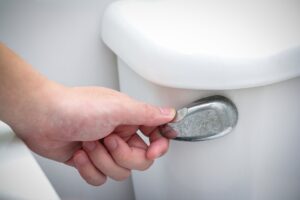
What’s Wrong With Your Toilet?

Nothing makes a homeowner frustrated, panicked, or angry like a clogged or broken toilet. We use this porcelain throne every day, and when there’s a problem it can feel like your life is just put on hold. It’s uncomfortable, it’s anxiety-inducing, and it can be unhygienic depending on the problem that’s occurring.
So, what’s going on with your toilet? Keep the answer in mind as you read on. We’ll talk about the various different types of problems that occur in toilet systems, and we’ll also touch on how our professionals can provide plumbing in Wayne, NJ to fix them.

As long as you’ve got some towels on hand, you can shut your water off, and you’re ready to make a phone call to a licensed plumber, then you’re in good hands.

A Bad Toilet Clog

Clogs are rough, and unfortunately, they happen fairly often. We always urge homeowners to use a plunger to try and siphon the clog out with the right amount of pressure and elbow grease. If that doesn’t work though, we urge you to refrain from using any chemicals or other “quick fixes” and to call us. Only a professional plumber with the right tools and expertise can unclog your toilet without damaging your drains, your pipelining, and the toilet itself.

Phantom Flushes, Tank Leaks, and Flapper Issues

In essence, a toilet is just a big drain that’s meant for waste. It might look fancy and designed specifically for a bathroom, but it’s important to remember that it’s a drain in function. Therefore, sometimes a toilet can have troubles with leaks and flushes.

One of them is a “phantom flush,” which occurs when your toilet tank starts randomly filling up with water even though nobody flushed it. If this happens regularly in your home, then it’s a sign that your toilet’s stopper or “flapper” is broken and it’s constantly leaking water into the bowl. Take a look at the flapper and see if you can either replace it, or let our professionals know what you detect.

Weak Flushing

When you flush your toilet, it should provide a powerful enough flush to work every time you use it. If, after years of use, its flushes are becoming weak, then you could have clogged holes in your toilet bowl. Those holes on the side of the bowl are what send the water into it to start the flush. Over time, they can get clogged with waste or mineral deposits from your water, causing the flush to weaken. We can clear those holes out and fix your flushing woes.

Toilet Leaks

Your toilet connects to your plumbing system in a number of different areas. Each area can leak and start dripping water into your toilet or onto your bathroom floor. Regardless of which leak it is, we urge you to grab some towels to soak up the water, and turn your home’s water system off. This will stop more water from gushing out and the towels will help stop standing water from causing mold to grow.

Then, just call us and we can fix whatever leaks are causing you trouble. It’s simple!

Call MarGo Plumbing Heating Cooling Inc. for professional toilet repair.

This post first appeared on https://margoplumbing.com

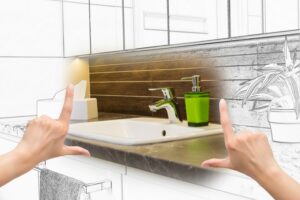
Is It Difficult to Switch Your Plumbing from a Double Bathroom Sink to a Single?

You’re at the point where you realize that you don’t need two sinks in your bathroom. Maybe you’re the only person who uses this bathroom or you’re just in harmony with whoever you share the bathroom sink with. Only one sink is needed. You want to downsize but you’re not sure that it’s possible. We’re here to tell you that it is.

We have the right plumbing professionals to handle the work you need. If you need emergency plumbing in Orlando, FL.

The Process of Converting to a Single

So first, let’s talk about the process of converting a double sink to a single sink. What does it take?

The transition from a double to a single is actually pretty simple. Unless your set-up is super unique, your sinks should join within the cabinet. This means they end up going into the same drainage pipe. In other circumstances, each sink can have its own drainage system. If this is the case for you, our professionals can do the work necessary to merge your internal plumbing before they make your double sink set up into a single one. You need professional care to make this an easy switch in your home. Make sure that you come to our team for this service.

The Benefits of Hiring a Professional

Now that we’ve touched on how this can be done, we’d like to discuss why it’s so important for you to go with a professional for your services.

Your Plumbing is Intricate

Your home’s plumbing is intricate. Taking care of your home’s plumbing now means that you’re going to prevent future plumbing problems. We know what it’s like to want to save a little money. Plumbing services can be quite expensive. Cutting corners isn’t as beneficial as it might seem.

Yes, you might be able to save a little money upfront, but it’s not going to benefit you as time goes on. You need plumbing care that prioritizes longevity. This is why your home’s plumbing needs the care of the professionals on our team.

Prevents Water Damage

The last thing you want is water damage in your home. Water damage causes potential health hazards, but it also can become a major problem for the structure of your home. Water damage is bad across the board. That’s why you should always invest in quality care from a team of professionals like ours. We care about providing high-quality work. We never cut corners and we make sure that your plumbing work is done with care.

Safety

We touched on this above, but plumbing problems can actually become a safety problem in your home. If your home incurs water damage, then it’s going to become a problem for your home’s safety. This can become a bigger issue with mold and mildew. You want to protect the personal health of you and your family members. We’re the team that can make this a reality through the care of our professionals.

Contact Modern Plumbing Industries, Inc. when you’re ready to renovate. We also offer emergency plumbing in Orlando, FL if you need it.

This post first appeared on https://www.modernpi.com

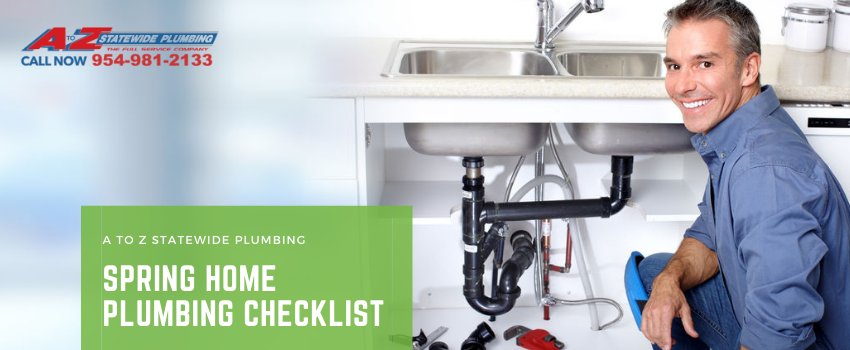
Spring – Home Plumbing Checklist

Spring home plumbing checklist

With spring coming up, it is important for you to think about your plumbing in addition to spring cleaning. As you are cleaning up around the house, make sure that your plumbing system is ready for the warmer weather. Using this helpful home plumbing checklist, you can reduce your chances of suffering a major issue with your plumbing system. This can prevent a costly repair bill that may take a bite out of your summer vacation budget!

Check Around Your Toilet for Leaks

Toilet bowl and tank leaks can lead to serious floor and wall. If you notice that your toilet is rocking on the floor, this could be a sign of a leak around the bowl. In addition, place a few drops of food dye into the tank of your toilet. Then, give the dye an hour or two to spread throughout the tank. Finally, look in the bowl and see if there is any dye in the bowl water. If so, then reach out to a trained professional to see if there is a problem with the plumbing system.

Inspect Your Pipes for Signs of Leaks

You should check the faucets in your home and see if there is any water coming from the faucet when they are turned off. If you find that water is leaking from the faucet even when they are turned off, then it might be time to install some new fixtures. Or, reach out to a trained professional to see if the leaks can be repaired.

Ensure Your Water Heater is Maintained

In general, you should expect your water heater to last for about 15 years. Take a look at your water heater and see if it is approaching the end of its life. Then, contact a trained professional to inspect your water heater. When you get your water heater inspected, you reduce the chances of a serious issue developing that could require a major repair. Furthermore, your water heater will be more efficient, reducing your utility bills.

Contact the Professionals at A to Z Statewide Plumbing!

Make sure that your plumbing system is ready for the spring! Use this spring plumbing checklist and reach out to our professionals for an inspection! Contact us today at 954-981-2133!

Trending Topics Right Now

Aaron Atkins

Delivering exceptional customer service is first and foremost, but, when he is not focused on supplying your home or business with the highest level of customer support, Aaron prefers to lace up the running shoes and pound pavement for hours on end. Originally hailing from the snowbelt of Pennsylvania, Aaron currently resides in sunny South Florida with his wife and three children.

This post first appeared on http://www.atozstatewideplumbing.com

Why Are My Pipes Leaking?

You’re a conscientious homeowner who keeps up with maintaining your plumbing. You clean the faucet aerators and shower heads to remove mineral deposits. You inspect tub and sink drains for debris and unclog if necessary. You clean the garbage disposal by grinding ice cubes, then flushing with hot water and baking soda. Yet a pipe begins leaking for seemingly no reason.

As our colleagues at Mike Diamond frame the situation, “If you didn’t damage your pipe, then why should it start leaking all of a sudden? Are your pipes faulty? Is the leak a sign of something gone horribly wrong?”

There are many causes of pipe leaks, but most are the result of age and wear-and-tear. Keep in mind that you should consider yourself fortunate if the leaks occur in the plumbing pipes you see. The most insidious leaks occur within walls and under the foundation slab, where they continue unnoticed until they eventually result in significant damage to drywall, floors and even your electrical system. Our blog post – “How Little Leaks Can Lead to Big Repair Costs” – covers the effects of water damage in greater details.

Finding, repairing and preventing pipe leaks is all about knowing where they come from and what to do – as well as how to prevent or postpone them for as long as possible.

What Causes Pipe Leaks?

As mysterious as pipe leaks may seem to homeowners, there are factors leading up to that point. We can drill down the general categories of age and wear to more specific causes, which include the following:

Broken seals – Most of your appliances have seals installed at the point where water flows into them. Like any other part of a fixture, these seals can break or wear out over time. When that happens, some of the water that should flow into the appliance may instead leak out.

Clogs – Clogs cause water to back up, which places the insides of a pipe under a great amount of pressure. Over time, all that pressure wears down on seals and the sides of pipe walls. When the pressure becomes too much for the weakened pipe walls or seals to take, they’ll break and create a leak.

Corrosion – The inside of pipe walls may begin to corrode or rust over time. This happens faster if you have hard water, a high pH level (acidity) or particularly high water pressure. As pipes corrode, they can’t handle the pressure or force of water flowing through them. Eventually, that pressure and force may create a leak in a particularly corroded section.

Bad or loose pipe connections – A poorly made repair or replacement can result in bad connections, as well as the afore-mentioned effects of water pressure on pipes already compromised by clogs and corrosion.

Overuse of drain-cleaning chemicals – Although liquid drain cleaners are typically the go-to solution for clearing clogs, they can eventually harm your plumbing infrastructure. Owners of older homes – especially homes with cast-iron pipes – need to be especially cautious. Using a snake or similar tool to pull out debris is preferable. Our blog post – “What Should You Do If Your Shower Drain is Clogged?” – provides additional easy, non-chemical methods.

Tree roots penetrating your sewer pipes – Trees growing near the underground sewer line on your property send out long feeder roots in search of nutrients. Because a sewer pipe contains water and organic waste, it’s a natural target. Our blog post – “Are Tree Roots in Your Sewer Line?” – addresses this issue in detail.

Physical shifts in the ground – Although Florida isn’t known for earthquakes, it is known for torrential summer afternoon thunderstorms and the occasional tropical storm and hurricane. Heavy rainstorms can cause the ground to shift when it has absorbed all the water it can, thereby affecting underground pipes.

Signs of a Pipe Leak

Now that you know the many causes of a pipe leak, being aware of the signs of a hidden leak can help you avoid additional expense in repair of the leak itself and the resulting property damage. In addition, an undetected leak promotes mold growth, which is a serious health hazard – especially for the elderly and those with respiratory issues. The presence of black mold (the most dangerous) requires not only the services of a mold remediation company, but also the removal of large wall sections.

Our colleagues at CroppMetcalfe Services provide the signs you should watch for:

Ceiling stains – For homes with a second floor, the internal pipes that carry water to that second-floor bathroom can leak. A stain or discolored area in the ceiling just below is a red flag. Call a plumber immediately! 

Rusty pipes, fuse boxes or appliances – Discoloration, stains, dimpling and flaking are all signs that your pipes may be corroding. If you notice rust around pipes, this is a clear indication of water damage. If you notice your fuse box is starting to rust or collect moisture, that’s another indication that water is running free inside your walls. 

Damaged flooring – Bathroom floors rarely suffer water damage unless there is a leak. However, if you notice your floor buckling, staining or cracking, hidden water may be the source. Wet spots, spongy or soft flooring and loose tiles could all be signs of water damage. Whether the water came from a pipe underneath the floor or traveled there from another area, look into it as soon as possible before the current water damage causes a bigger issue. 

Paint or wallpaper discoloring – As moisture seeps into your walls, the paint will start showing signs of damage. You may notice peeling, discoloration, blistering or even cracks and warping. Since drywall and wood readily absorb moisture, water breaks down the fibers and causes them to feel spongy and soft. If you notice chalky textures, changing wall paint or signs of peeling, water damage is most likely the culprit – and a leaking pipe the cause. 

Persistent odors – The most common odor associated with water damage is a musty, mildewy smell. While you may be able to detect the source, it’s not always obvious. As previously mentioned, the presence of mold creates an unhealthy environment. Trying to mask the odor with air fresheners won’t solve the problem, or prevent you and your family members from mold-related illnesses. 

Higher-than-usual water bills – If you notice a sudden increase in your water bill, but haven’t been using more water than usual, you may have a plumbing leak.

Can You DIY, or Should You Call a Plumber?

The plumbing leaks that the typical homeowner can repair on their own are very few. If luck is with you, and the leak is caused by a loose fitting, you may be able to fix it by gripping the fitting with a plumber’s wrench and tightening it.

However, not every issue is obvious. A lack of skill, experience, professional-quality tools and knowledge about residential plumbing systems put non-plumbers at a disadvantage, and may set the stage for major damage due to a botched repair attempt. Regular readers of our blog already expect our warning against depending on YouTube videos to provide instruction on DIY repairs.

Your home is your most important investment. And while we admit that plumbing repairs aren’t inexpensive, hiring a professional plumber will ensure the job is done right, and will head off future problems.

Our master plumbers at Adams and Son Plumbing believe the more you know about basic plumbing care and maintenance, the better you’ll be able to recognize when it’s time to call a professional to prevent even more serious damage and major expense. We’ve proudly served Central Florida homes and businesses with the highest level of quality and experience for over 60 years. We are family-owned and operated, and all of our plumbers are state-certified master plumbers. Contact us to get – and keep – your home’s plumbing in top repair.

The post Why Are My Pipes Leaking? appeared first on Adams and Son Plumbing Services.

Can Your Sump Pump Handle Melting Snow & Rain?

As winter comes to a close and the snow begins to melt, many homeowners will struggle to keep their basements flood-free. Without the right sump pump solution in place, the spring thaw can bring catastrophic water damage in your home. In order to ensure your system is up to the task of handling melting snow and rain, you need to thoroughly test your unit ahead of the warmer weather. Doing so now can help you avoid costly repair and replacement requests in the future!

Making Sure Your Sump Pump Can Handle Melting Snow & Ice

Before the snow and ice start melting, it’s important to make sure your sump pump is able to handle the increased flow of water to your basement. Homeowners can test their system to ensure it’s working in full force by following the steps below:

  • Step One: Locate the outside pipe that catches the water as it drains from the pump. Make sure the inside of the pipe is free of obstructions that may be clogging the drain, such as dirt and debris. This is critically important after a snow storm hits.
  • Step Two: Fill a five-gallon bucket or large pot with water. Slowly pour the water into the sump pit and watch the water level within the pit.
  • Step Three: The float on the sump should rise and the pump will kick on before the water reaches the top of the pit. As the pit empties, the system should turn off.
  • Step Four: If the float doesn’t rise or the pump doesn’t turn on/off automatically, the pump should be further inspected by a professional.

Always make sure that your unit is plugged into a functioning outlet. In addition to inspecting system performance, homeowners should run through a weekly checklist to observe the following:

  • Identify any areas around the home that are melting faster than others and why
  • Find out if your roof gutters run into the ground around your foundation
  • Identify any puddles in walkways and driveways, and whether or not they disappeared overnight
  • Check the basement regularly for standing water (at least every other day)

When to Contact a Professional Plumber

It’s not uncommon for a sump pump to stop working altogether when snow is melting. This is because snow usually refreezes at night when the temperatures drop below freezing, causing the sump pump drain pipes to freeze with it. When this happens, the unit is unable to remove the water from your basement. If you’ve tested your sump pump, inspected it for blockages, and are still experiencing issues, it’s best to contact a plumbing technician for additional assistance. You may need a backup system or battery installed, or may have a more serious underlying plumbing problem at play.

Additionally, if your sump pump is older than six years, you’ll likely need to replace the unit ahead of the seasonal thaw. Systems older than six years are more prone to failure, allowing water to collect and wreak havoc on your home.

Len The Plumber for Your Sump Pump Service Needs

Whether your sump pump needs repair, replacement, or routine maintenance, Len The Plumber has the end-to-end sump pump service solutions you need to keep water damage at bay. Allow our team to ensure your home is equipped with the flood prevention system it needs to avoid costly destruction.

Contact us online or call us at (800) 950-4619(800) 950-4619 to schedule sump pump services in your home today!

This post first appeared on https://lentheplumber.com

Why There Is a Sulfur Smell Coming From Your Drain

You come home from work exhausted. All you can think about is that plate of leftovers in the refrigerator. You shuffle to the kitchen, dreaming of french fries.

When you finally reach your destination, your nostrils quiver in response to an unfamiliar odor. The smell reminds you of rotten eggs.

If you’ve ever found yourself in a situation like this, then you know how shocking an unpleasant kitchen odor can be.

These smells might indicate a plumbing problem in your kitchen sink. Depending on the smell, it could be a serious issue that requires the attention of an experienced plumber.

In this article, we will explore the reasons behind a sulfur smell in your drains. Keep reading to find out more about what this smell means for your plumbing.

What Causes a Sulfur Smell?

If you smell something like rotten eggs in your kitchen, it is likely hydrogen sulfide. This is a gas found in most sewage treatment plants.

In general, smelling hydrogen sulfide is not dangerous. The worst reported side effect is a mild headache. But the presence of hydrogen sulfide in your kitchen could be problematic.

This gas can also be produced by bacteria. If the drain in your kitchen sink is blocked, old food gets stuck. Over time, bacteria grow on this food. This can ultimately lead to a sulfur smell.

There could also be an issue with your garbage disposal that is causing extra food to back up.

Another cause of sulfur smell could be dry P-traps. Toilets and sinks are connected to P-trap pipes. These pipes protect your home from sewer gases.

If you haven’t used a toilet or sink in a while, it’s possible the P-trap is dry. Running more water should fix this issue.

Keep in mind that you might also smell sulfur during a natural gas leak. If you hear a hissing sound in your kitchen, it might be the sound of a gas tank. Combined with the sulfur smell, this can indicate a serious problem.

If you think you’re experiencing a natural gas leak in your home, make sure to call a professional immediately.

Getting Rid of Unwanted Odors

There are a number of steps you can follow to rule out serious plumbing issues. If the problem isn’t serious, you might be able to handle it with some common household items.

Let’s take a look at a few ways you can try dealing with these odors at home:

Try Baking Soda and Vinegar

If you smell sulfur in your kitchen, it’s possible that old food has accumulated in your garbage disposal. You can put ice cubes through the disposal to take care of any food stuck to the blades.

You can also try a combination of baking soda and vinegar. When these two ingredients combine, they make something called acetic acid.

This combination can help clean your garbage disposal. You can also use this method to deodorize your kitchen sink even if you don’t have a garbage disposal.

If a home remedy doesn’t take care of the sulfur smell, it’s time to call the professionals.

Unclog Your Drain

You might also notice a sulfur smell emanating from your shower or bathroom sink drain. If that’s the case, you could try unclogging and disinfecting your drains.

After you’ve unclogged your drain, you can repeat the baking soda and vinegar method to disinfect the drain.

You can also use bleach to disinfect a smelly drain. Disinfecting the drain kills any bacteria that might be causing the unpleasant smells.

If none of these simple steps work, you need to call the professionals. The qualified team at Anta Plumbing is highly experienced with a wide range of drain issues.

Let’s take a look at some of these services in the next section.

Looking Into Drain Services

Here at Anta Plumbing, we are committed to providing top-of-the-line drain services for all our clients. Some of our prime drain services include:

  • Drain snaking
  • Unclogging sinks and toilets
  • Excavating drains
  • Installing and repairing drains
  • Installing backwater valves

Our hydro jet service provides impeccable drain cleaning with innovative equipment. The Anta hydro jet team can clean any drain to rid your house of those pesky sewer smells.

In the hydro-jetting process, water is shot out at high speed and pressure. This water jet knocks out any stubborn blocks. With techniques like this, blockage removal can be a breeze.

Anta Plumbing services also include video camera surveillance designed to work with your schedule. With our video sewer inspection equipment, we can identify pipeline problems before they become serious.

If you’re dealing with a serious drain blockage, the Anta drain snake is just the thing. This tool sends a long tube down your drain. As the tube is pulled back, it grabs any obstructions that might be causing the clog.

Plumbing problems like blocked drains can feel overwhelming. You want your home to be a relaxing place where you can spend time winding down.

At Anta Plumbing, we are committed to making our customers comfortable. Our experienced team has handled countless drain problems in the past. We are ready to face even the toughest drain issues.

Better Plumbing Ahead

When you call Anta Plumbing, you will reach Toronto’s number one choice for all plumbing and drain needs. Our resourceful staff is standing by to answer all your questions.

If you want to learn more about our plumbing and drain services, get in touch!

From preventative services to emergency management, Anta Plumbing has you covered. We look forward to helping you meet all your plumbing needs.

The post Why There Is a Sulfur Smell Coming From Your Drain first appeared on Anta Plumbing Blog. This post first appeared on https://blog.antaplumbing.com

4 Plumbing Problems That May Not Look Like Emergencies, But Are

woman-with-plumberWhat counts as a “plumbing emergency” in your home? The easy answer to this is “Whatever feels like an emergency to you, the homeowner.” It’s a good adage, because even if you’re wrong about whether the plumbing problem you’re facing is an emergency or not, you’ll be glad you had the trouble investigated. Better to be cautious and avoid a big disaster.

There’s more to defining emergency plumbing needs, however. Sometimes, plumbing emergencies hide behind what look like lesser issues. Things that just don’t feel like big deals. Troubles you can get to later. These are the truly tricky and dangerous emergency plumbing jobs, because you’re much less likely to treat them as such and call us for emergency plumbing in Glendale, AZ to get the issue fixed before it becomes a major problem. 

To help, we’ve listed four plumbing problems you may encounter that may seem mild, but are a good reason to call our plumbers ASAP.

#1. Water spots on the ceiling

Discolored spots on the ceiling are leaks, and you probably know that. If you notice these spots developing on the ceiling of rooms of your two-story house, it might seem like something you can get to at a more convenient time. But these leaks are serious business: they’re likely coming from bathroom plumbing (check to see which room is above the discoloration) and mean that water damage has already occurred and spread. This not only wastes water, it weakens the building material and could even cause collapse. The quicker this is solved, the less expensive and extensive the repairs.

#2. Multiple slow drains 

A slow drain is an annoyance, but because it’s not a full clog, people will often ignore them or simply deal with them rather than call a plumber. A slow drain isn’t usually an emergency, although we recommend you move sooner on this rather than let it get worse. But when multiple drains in your house are slow, something is wrong deeper in the drainage system, and it might be trouble with the sewer line. Sewer line repairs are always emergencies, since you may end up with no drainage at all or sewage backing up into the house. 

#3. Red discoloration in the hot water

You’ll see a reddish color in the water from a tap that hasn’t been turned on in weeks, but after a few seconds it will clear up. If you see this discoloration coming from a hot water tap and it doesn’t clear up, it probably means the water heater is rusted through and on the verge of a full breakdown. At this point, the water heater will probably need to be replaced, and you’ll want plumbers on the job fast before your hot water is gone. 

#4. Water pressure suddenly drops

The water coming from the taps is abruptly much weaker than before. Maybe not impossible to work with, but noticeable. This might be a municipal issue (see if the neighbors have a similar problem). If it’s not, we recommend calling for plumbing assistance right away, as there may be trouble in the home’s water main. 

Call The Trusted Plumber no matter what you need for plumbing help. We have emergency plumbing available!

This post first appeared on https://www.thetrustedplumber.com

The 5 Levels of Plumbing Performance

Some people have a misconception that plumbing systems either “work” or they “don’t work.” While it might seem that simple from where you’re standing when you only see the bathroom or kitchen aspect of a plumbing system, it’s more complicated than that. When you look at how things work underneath the drains and appliances, there are many different levels of plumbing operation.

How is your plumbing in Montclair? Is it passable? Or perhaps you’re in a new home with sparkling new appliances that don’t need any help?

Our team specializes in plumbing care to the point of knowing all the ins and outs of your waterways. Regardless of the condition, your plumbing system is in, or how little you think you need our help, the truth is that we can help you assess the situation. Take a look at the different levels of plumbing performance and let us know if you need help.

Level 1: It’s Just Not Working at All

If your plumbing system is falling apart, or you’ve just bought a home where the pipes are barely even workable, then you’ve got a lot of work ahead of you. Our team provides comprehensive plumbing services for homes that really need them, so you don’t have to fret too much. This much plumbing work can sound like a scary thing to deal with, but with the right professional on your side, it’s hardly a problem at all.

Level 2: It’s Working Alright But It Needs a Lot of Work

We often see this level of plumbing performance in older homes that haven’t been maintained very much. Over time, pipes can start to corrode, leak, and fall apart to the point of showing serious signs of wear and tear. Sure, it might still work, but that’s no excuse to stave off the repairs that you might need soon. You could even benefit from some repiping or whole plumbing replacement services we offer.

Level 3: It’s Okay

Drains and toilets can clog every now and then, and pipe leaks might occur semi-regularly, but your plumbing system works well. This is a solid foundation to work from if you’re nervous about the condition of your plumbing system. As long as it works well enough, we can focus on making targeted plumbing repairs or repiping jobs so that your system runs better in the future.

Level 4: Only a Few Minor Problems

This is good. It’s not perfect, but it’s absolutely a great place for your plumbing system to be. Keep this condition as good as it is by scheduling plumbing maintenance, getting your drains and pipes cleaned by professionals, and upgrading your system with a garbage disposal.

Level 5: It’s Perfect or Brand New

Awesome! If you’re here because you follow our blog, or you’re just here because you’re nervous about your new plumbing system, we completely understand. Why not give us a call and schedule maintenance, or form a relationship with our team? We’ll be there when your new and shiny plumbing system starts faltering, and our experience is worth every penny.

Contact the pros at MarGo Plumbing Heating Cooling Inc. We’ve got your back through whatever your pipes need.

This post first appeared on https://margoplumbing.com

Is Coconut Oil Bad for Plumbing?

swirling-drainCoconut oil has become everyone’s favorite household item. You can use it on your hair, on your body, and even to brush your teeth. Although it might be great for you, though, the question arises—is coconut oil bad for your home’s plumbing?

The answer is yes. Coconut oil isn’t too easy on your home’s pipes. You can quickly build up a clog in your home if you get too coconut oil happy. If you’re looking for solutions, then your best bet is Orlando drain cleaning services. We’re here to help you solve any issues that pop up in your home.

Why Coconut Oil Clogs

Okay, so let’s back things up a little and talk about how and why coconut oil clogs your home’s drains. The thing about coconut oil is that it solidifies at certain temperatures. If you’re familiar with coconut oil then you know this, when it’s warm out, you’ll notice that your coconut oil is an actual oil, but if it cools down a little bit then you’ll notice that it solidifies.

Now, it doesn’t really get too cold here in Orlando, but it does get cold enough for coconut oil to solidify in your drains and cause issues. If you’ve spent months on months putting coconut oil down your drain, then you might notice slow-moving drains and backups. This is when you should contact us for professional service.

Other Common Reasons Why Drains Get Clogged

Do you think you have other problems with your drain? These are some other common issues that might affect your home’s plumbing:

  • F.O.G. (fat, oil, and grease) these substances are similar to coconut oil in the sense that they might go down as oil, but they’ll settle into a solid
  • Wet wipes (these aren’t meant to go down your drain no matter how they’re marketed)
  • Dental floss
  • Cotton swabs
  • Cat litter
  • Mineral build-up
  • Tree roots
  • Dirt

Realistically, only food waste, soap, and liquids should go down your kitchen sink. Only human waste and toilet paper should go down your toilet. If you’re putting too much outside of this down your drains, then you’re only sabotaging your home’s cleanliness and overall comfort. Now, let’s talk about keeping your home’s drains clean.

How to Keep Drains Clean

Are you wondering how you can keep your home’s drains clean going forward? Here’s how you can do so:

  • Avoid F.O.G. (fat, oil, and grease)
  • Have drain cleanings regularly
  • Let pits, seeds, and other hard substances in your trash. (hard things like this can hurt the blades in your garbage disposal)
  • Avoid coffee grounds
  • If you’re suffering from soap scum, then you need to consider water softening systems
  • Get a system to protect your home’s drain from hair in your shower

These are all the best ways to keep your home’s drains clear and free of trouble. If you need more tips to make things better in your home, you can talk to our professionals for personalized service.

Contact Modern Plumbing Industries, Inc. today to schedule an appointment with our professionals.

This post first appeared on https://www.modernpi.com

What Shouldn’t Go Down Your Drain Lines?

What Shouldn't go down the drain?

Water draining slower than usual down the sink drain? Is it backing up through other drains within the home?

If you’ve answered “yes” to either of the above questions, chances are you’ve got a clogged drain somewhere within the home. And if you can rule out a toilet clog, there’s a good chance that the blockage is a result of years worth of… let’s just call them “foreign objects”… going down the kitchen sink. It’s important to remember that your home’s plumbing system is designed to process waste and liquids – and little else. While garbage disposals can help shred food waste so it won’t clog pipes, know that not everything is meant to be processed via it. Combine that with other things that absolutely shouldn’t go down the drain, and you may encounter some plumbing problems. In this post, we’ll tell you what you should absolutely never put down your sink drains. Here’s a look.

5 Things That Shouldn’t Go Down Your Drain

1. Grease

Grease should always be drained and discarded. Otherwise, it’s likely to harden within pipes, creating blockages that make it difficult for anything else to pass through. Fats and oils should also be drained and discarded separately.

2. Paint

Though paint isn’t likely to clog your pipes, it is likely to contaminate the water system. The same is true of cleaning products and medication, two other things you shouldn’t just wash away.

3. Eggshells

You’ve likely heard how eggshells are actually good for maintaining a garbage disposal, but they’re not exactly good for your pipes. That’s because the little bits of shell are likely to become lodged in any grease or fat that has accumulated in the pipes.

4. Coffee Grounds

How can something so small clog pipes? It’s because coffee grounds clump together when wet.

5. Flour and Dough

If you’re a regular baker, it’s recommended that you refrain from putting flour and dough down the sink drain. The mixture is a slime-like mix that can obstruct pipes.

Contact A to Z Statewide Plumbing Today

For more information on what you should absolutely not be putting down the sink drain and for help eliminating obstructions in your plumbing system, contact us today at 954-981-2133.

Trending Topics Right Now

Aaron Atkins

Delivering exceptional customer service is first and foremost, but, when he is not focused on supplying your home or business with the highest level of customer support, Aaron prefers to lace up the running shoes and pound pavement for hours on end. Originally hailing from the snowbelt of Pennsylvania, Aaron currently resides in sunny South Florida with his wife and three children.

This post first appeared on http://www.atozstatewideplumbing.com

+1-877-959-3534