Coconut oil has become everyone’s favorite household item. You can use it on your hair, on your body, and even to brush your teeth. Although it might be great for you, though, the question arises—is coconut oil bad for your home’s plumbing?
The answer is yes. Coconut oil isn’t too easy on your home’s pipes. You can quickly build up a clog in your home if you get too coconut oil happy. If you’re looking for solutions, then your best bet is Orlando drain cleaning services. We’re here to help you solve any issues that pop up in your home.
Why Coconut Oil Clogs
Okay, so let’s back things up a little and talk about how and why coconut oil clogs your home’s drains. The thing about coconut oil is that it solidifies at certain temperatures. If you’re familiar with coconut oil then you know this, when it’s warm out, you’ll notice that your coconut oil is an actual oil, but if it cools down a little bit then you’ll notice that it solidifies.
Now, it doesn’t really get too cold here in Orlando, but it does get cold enough for coconut oil to solidify in your drains and cause issues. If you’ve spent months on months putting coconut oil down your drain, then you might notice slow-moving drains and backups. This is when you should contact us for professional service.
Other Common Reasons Why Drains Get Clogged
Do you think you have other problems with your drain? These are some other common issues that might affect your home’s plumbing:
F.O.G. (fat, oil, and grease) these substances are similar to coconut oil in the sense that they might go down as oil, but they’ll settle into a solid
Wet wipes (these aren’t meant to go down your drain no matter how they’re marketed)
Dental floss
Cotton swabs
Cat litter
Mineral build-up
Tree roots
Dirt
Realistically, only food waste, soap, and liquids should go down your kitchen sink. Only human waste and toilet paper should go down your toilet. If you’re putting too much outside of this down your drains, then you’re only sabotaging your home’s cleanliness and overall comfort. Now, let’s talk about keeping your home’s drains clean.
How to Keep Drains Clean
Are you wondering how you can keep your home’s drains clean going forward? Here’s how you can do so:
Avoid F.O.G. (fat, oil, and grease)
Have drain cleanings regularly
Let pits, seeds, and other hard substances in your trash. (hard things like this can hurt the blades in your garbage disposal)
Avoid coffee grounds
If you’re suffering from soap scum, then you need to consider water softening systems
Get a system to protect your home’s drain from hair in your shower
These are all the best ways to keep your home’s drains clear and free of trouble. If you need more tips to make things better in your home, you can talk to our professionals for personalized service.
Contact Modern Plumbing Industries, Inc. today to schedule an appointment with our professionals.
Water draining slower than usual down the sink drain? Is it backing up through other drains within the home?
If you’ve answered “yes” to either of the above questions, chances are you’ve got a clogged drain somewhere within the home. And if you can rule out a toilet clog, there’s a good chance that the blockage is a result of years worth of… let’s just call them “foreign objects”… going down the kitchen sink. It’s important to remember that your home’s plumbing system is designed to process waste and liquids – and little else. While garbage disposals can help shred food waste so it won’t clog pipes, know that not everything is meant to be processed via it. Combine that with other things that absolutely shouldn’t go down the drain, and you may encounter some plumbing problems. In this post, we’ll tell you what you should absolutely never put down your sink drains. Here’s a look.
5 Things That Shouldn’t Go Down Your Drain
1. Grease
Grease should always be drained and discarded. Otherwise, it’s likely to harden within pipes, creating blockages that make it difficult for anything else to pass through. Fats and oils should also be drained and discarded separately.
2. Paint
Though paint isn’t likely to clog your pipes, it is likely to contaminate the water system. The same is true of cleaning products and medication, two other things you shouldn’t just wash away.
3. Eggshells
You’ve likely heard how eggshells are actually good for maintaining a garbage disposal, but they’re not exactly good for your pipes. That’s because the little bits of shell are likely to become lodged in any grease or fat that has accumulated in the pipes.
4. Coffee Grounds
How can something so small clog pipes? It’s because coffee grounds clump together when wet.
5. Flour and Dough
If you’re a regular baker, it’s recommended that you refrain from putting flour and dough down the sink drain. The mixture is a slime-like mix that can obstruct pipes.
Contact A to Z Statewide Plumbing Today
For more information on what you should absolutely not be putting down the sink drain and for help eliminating obstructions in your plumbing system, contact us today at 954-981-2133.
Trending Topics Right Now
Aaron Atkins
Delivering exceptional customer service is first and foremost, but, when he is not focused on supplying your home or business with the highest level of customer support, Aaron prefers to lace up the running shoes and pound pavement for hours on end. Originally hailing from the snowbelt of Pennsylvania, Aaron currently resides in sunny South Florida with his wife and three children.
We are a participant in the Amazon Services LLC Associates Program, an affiliate advertising program designed to provide a means for us to earn fees by linking to Amazon.com and affiliated sites.
If you are considering adding a classic bidet to your home and are looking at a one-piece bidet that meets all your needs, you came to the right place.
Bidets have been around for quite a long time. While popular in other nations, the bidet only recently found its way into Americans’ bathrooms to the point they are normalized.
Why a One-Piece Bidet?
Using a bidet has many advantages.
Bidets are environmentally friendly because they use so little water than the water it takes to make only one toilet paper roll. Also, by the end of the year, the cost of toilet paper adds up.
Although not only are you saving money on toilet paper and water for the manufacturing, but you also save trees. Furthermore, this past year made toilet paper scarce, and we all like options.
Also, there are health benefits to using a bidet. Wet wipes and toilet paper can cause skin irritation. Furthermore, you ensure the bacteria from fecal matter is cleaned from your skin and avoid getting it on your hands, as well.
Those who have surgery will welcome the soothing benefit of a bidet, and if you are prone the hemorrhoids, a bidet can help.
One-Piece Bidet Features
The advantage of a one-piece bidet is that you do not have to worry about taking your toilet seat off to add a bidet attachment to your current toilet and water line.
Instead, the all-in-one approach means either your toilet or bidet is all in one unit, or your bidet is entirely separate from your toilet.
Whichever your bidet set-up, you have options for features sure to make your bathroom experience a little more pleasant.
Bidets usually have different washes available, including a posterior wash, feminine wash, and various pulsating and pressure features.
Also, many bidets have heaters, dryers, warm water, and heated seats. You might never leave your bathroom.
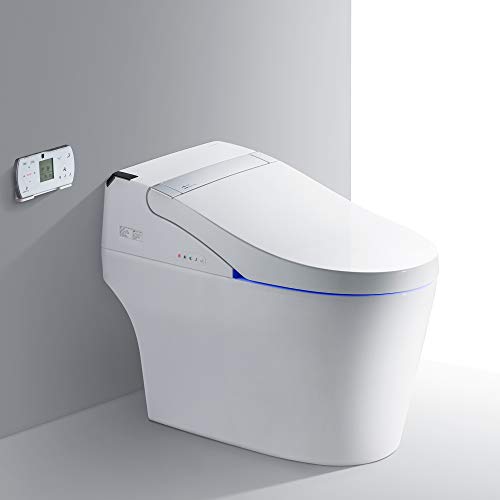
[ AUTOMATIC DEODORIZATION]: The lightless catalyst generate a catalytic reaction under lightless conditions, which can…
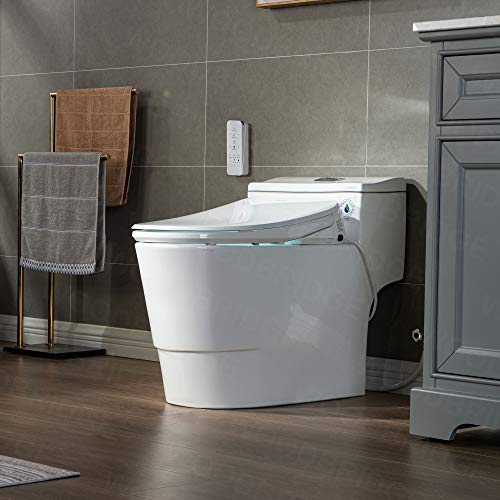
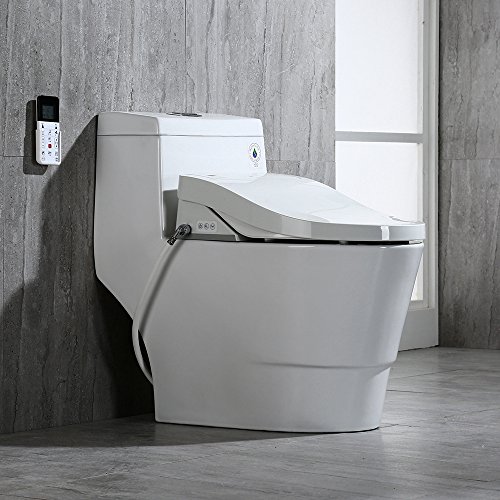
This WOODBRIDGE bidet is a toilet and bidet seat in one with already installed water lines and fittings.
Features of this bidet include never-ending warm water where you control the temperature.
This bidet has a warm air dryer so you can avoid using toilet paper for no reason and a heated seat for added comfort.
In the case of this bidet, your comfort is thought out with lots of hygienic features. For instance, there is a posterior wash, a feminine wash, and a pulsating wash. Best of all, there are five spray locations, and you can adjust the water pressure to suit you.
The Woodbridge bidet has a modern look, and the look is very low-profile. The tank is low, and while it does not take up much space, it still makes a statement.
This bidet toilet has what you would expect for the washes. You have a feminine, posterior, and pulsating wash.
Also, the water pressure is adjustable, and the seat is heated so you can avoid any unwelcome surprises.
The seat itself automatically closes, and there is a built-in night light just under the seat so you can see where you are going.
If odors bother you, this one-piece bidet is for you. There is a filter that pulls in air and deodorizes it to always ensure a fresh smell.
Another unique feature of this one-piece bidet is the automatic flush system. The bidet knows when you finish, and it will self-clean the nozzles and flush on your behalf.
The flush itself is powerful, but it is still quiet.
Furthermore, since we are talking about comfort, the warm air dryer is sure to keep you comfortable.
Lastly, this one-piece bidet has a remote control so you can wirelessly handle your bathroom visit and decide the water pressure and wash needed.
Kohler Memoirs Bidet
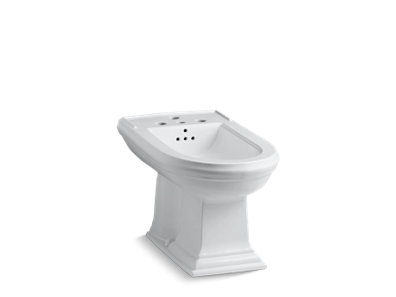
If you are remodeling, and want full control over the aesthetic of your bidet, the Kohler Memoirs vertical spray bidet is a fantastic option.
The design of this one-piece bidet is traditional with edges that look like crown molding.
With this bidet, you chose the hardware for the pre-drilled faucet and vacuum breaker.
There are four sprays for the front and vertical sprays.
Also, there are other bathroom products within this line, so you can have a matching toilet.
Bidets are gaining in popularity in the United States. For some, the absence of toilet paper during the pandemic made a bidet a necessity. Others wish to be cleaner after using the bathroom while others want to reduce their use of bathroom paper products.
Whatever your reasoning for this upgrade, an all-in-one bidet toilet or a stand-alone bidet are fantastic options.
Which bidet did you choose for your bathroom? Answer in the comments.
Last update on 2021-02-19 at 20:55 / Affiliate links / Images from Amazon Product Advertising API
Nothing is more annoying than a leaky faucet. The constant drip, drip, drip is enough to drive anyone up a wall. Rather than trying (and failing) to ignore a leaking faucet, it is best to repair it as soon as you can. Not only will repairing the faucet save your sanity, but it will also save you money on your water bill. After all, leaks can cost your hundreds with all that water that goes to waste.
And here’s something to motivate you: fixing a leaky faucet is inexpensive and quick. The key, however, is knowing how to repair particular types of faucets.
Why is the Faucet Dripping?
First off, let’s talk about the causes behind dripping faucets. There are four kinds of faucets—ball, cartridge, ceramic disc, compression—and each is susceptible to some kind of issue. For instance, a compression type faucet is going to need rubber washers, which tend to erode with usage and need replacing once in a while. The other kinds of faucets require neoprene seals or O-rings, which again, will cause leaks when they need replacing.
Of course, there could be other reasons, such as damaged parts from improper installation, water pressure that is too high, or broken plumbing elsewhere in your home.
How Do I Fix a Leaky Faucet?
Once you have determined what kind of faucet you have, you will need to choose a place where the parts can be laid out in the order you deconstruct the unit. This will help you stay organized and keep the process of rebuilding the faucet hassle free. You can also take a photo of the faucet before taking it apart so you have a visual reference.
You should also make sure water to the sink has been shut off. Place a rag over the sink drain to keep any dropped pieces from vanishing. It is recommended that you put some tape around the jaws of a wrench (you’re going to need it) to prevent abrasions on the metal. If there are any mineral deposits on the faucet, have a scouring pad and some distilled white vinegar ready to go.
Fixing a Leaky Compression Faucet
One of the oldest forms of faucets and found frequently in older homes, compression faucets are prone to leaking and need a lot of maintenance. The hot and cold handles are separate, and you need to tighten the handles in order to stop the flow of water.
Here is how to fix a leaky compression faucet:
Using a utility knife or small slotted screwdriver, take off the decorative top of the handle. You will see screws underneath.
With the same screwdriver, remove the screw in the handle. Then pull off the handle.
Take a crescent wrench to loosen the packing nut then an adjustable wrench for the stem of the faucet’s body.
Unscrew the wash from the bottom of the stem. Use a new seat washer. Don’t forget to coat the washers in plumber’s grease.
Next, replace the O-ring in the packing nut, which is often the cause of leaks. Make sure you match the exact size of the existing O-ring when replacing it. Coat this in plumber’s grease as well.
Check the retainer, a recessed disc where the washer sits. If the retainer is worn, grind it down smooth before installing a new retainer ring.
Sand the top half of the seat with an emery cloth.
If the seat cannot be repaired or is too pitted, you will need to replace it.
Fixing a Leaky Cartridge Faucet
These are often indistinguishable from compression faucets in style, but using them will help you tell the two types apart. A cartridge faucet does not require any pressure to get water to flow. Instead, you just turn the handles.
Here is how to repair a cartridge faucet:
Take the decorative cap off from the handle. Next, remove the screw, so you can slide off the handle.
If you see a retaining clip securing the cartridge, you will need a pair of needle nose pliers to get it loose. Afterwards, slide the cartridge up.
Check the O-rings or seals. You will need to cut the old O-rings with a knife. Be sure to coat the new O-rings with plumber’s grease.
Replace the cartridge and handle.
Fixing a Leaky Ceramic Disc Faucet
Out of all the faucet types, ceramic discs (disks) are the newest. They have a long cylindrical body. Within the balance cartridge, hot and cold are mixed together. Temperature is controlled by the movement of the handle.
Here are the steps to repairing a dripping ceramic disc faucet:
Push the handle up so you have access to the screw. Take out the screw then remove the handle.
You will see the escutcheon cap. Unscrew the mounting screws on the cylinder then remove the cylinder.
Using a screwdriver (blunt edge), gently lift the seals free. Check for damage. If they are worn out, replace them.
Look at the cylinder for any mineral build up. You can use some distilled white vinegar and your scouring pad to clean it off.
Return the seals and rebuild the fault.
From there, put the handle in the “on” position. Let water run through gradually, since the force of water could cause the ceramic disc to fracture.
Fixing a Ball-Type Faucet
A single-level ball-type faucet is the most common type, especially in bathrooms. These faucets do not use washers and have a single handle that pivots around a ball-shaped head. The ball is housed within the body and has slots or chambers and spring-loaded seals or O-rings.
Here is how you fix a ball-type faucet:
Pry off the index cover on the faucet to get to the hex-head screw.
Use a hex-key wrench to loosen the screw and remove the faucet handle.
Remove the cap and collar with a pair of adjustable pliers.
Loosen the faucet cam and lift it up, including the cam washer and rotating ball.
Using pliers, reach into the faucet to remove the springs and rubber seats. You can put in a new rubber seat and spring together before lowering it back into the faucet body. Do this two times.
Return the ball, aligning it appropriately within the body.
Place a rubber gasket and cam cap (cleaned or replaced) on top of the ball.
Realign the cap then tighten it back into place.
Using a spanner wrench, tighten the nut to add tension against the ball.
If that does not help the leak, you can purchase a ball-type faucet replacement kit.
Wrapping Up
With that, the dripping should be gone. Cleaning off the rubber washers, seats, and other components of the faucets, or replacing pieces, can stop leaks before they get too worse.
If you need help, call us today. We have all the tools needed to do the job.
Hard water is a common problem affecting residential water supplies. Even the best water treatment plants can’t prevent it, since most hard water minerals enter the water after it has left the treatment plant and is on its way toward homes. The minerals of hard water (primarily magnesium and various calcites) seep through the ground and into the freshwater pipes.
Hard water isn’t unhealthy to drink. In fact, you want some amount of these minerals in your water because they’re essential minerals for good health. But too high a level of these minerals is bad for the plumbing in a house and creates inconveniences with cleaning and bathing. It can even wreck important water-using appliances; the water heater is especially susceptible to damage due to hard water.
The Signs of Hard Water
Fortunately, hard water leaves a number of telltale signs. If you notice these signs of hard water in your home, we recommend calling us. We’ll test your water to determine its hardness level, and if necessary can equip the plumbing with a water softener in Glendale, AZ to bring the mineral levels down.
White, flaky residue: Hard water leaves behind calcium deposits on fixtures. If you see a white, flaky material on your faucets and showerheads, this probably means the mineral level is too high.
Crazy water sprays from showerheads: Has your showerhead started to send water sprays out in odd directions and become generally unreliable? You can find plenty of advice online for how to clean it out, but this ignores that the reason the problem is happening is there is too much limescale from hard water building up in the showerhead.
Soaps suds take hard work: Do you find that it’s hard to get up a good lather of soap suds when you’re trying to clean around the house? This is a major warning of hard water because soap cannot dissolve easily with such a high mineral content. Instead, the sodium salt in the soap binds to the minerals and turns into soap scum.
Film on glass surfaces: If you notice a film over the glass of the shower, or other glass surfaces that you’ve washed, this is the soap scum layer from the soap not dissolving in hard water. You may also see this occur in glassware put through the wash.
Stringy, limp hair and itchy skin: Soap scum from hard water will also affect you when you bathe or shower, resulting in hair that is lifeless and limp and skin that feels itchy and unclean even after you’ve washed.
Faded colors from laundry:Hard water tends to cause colors of clothing and other fabrics to fade after they’ve gone through the wash. The soap scum will also give cloth a starchy, coarse feeling.
Don’t try to just “live with” any of these problems, because you may soon end up with clogged pipes and a broken water heater! You want hard water brought under control, and our plumbers can help you do this.
A clogged sink or toilet doesn’t have to bring your home to a grinding halt. Here are some simple tools to keep on-hand to fix a minor clog.
Toilet Trouble
With more time spent at home recently, your toilets are pulling extra duty (catch that?). There’s no time for a backup (there too?). The good news is oftentimes a clogged toilet is an easy fix with the right tool depending on the reason for the clog.
A plumbing auger or drain snake is an inexpensive tool that can be found at a local hardware store and is often times just what you need to dislodge that clog, snag it and bring it out of the drain. That means you can recover that favorite Lego or action figure. If you can see part of the object, you can also try creating a homemade auger by bending a hanger but be careful not to scratch your bowl with the metal wire.
A toilet plunger and some muscle may be enough to do the trick for a clogged toilet. A good one creates a tight seal around the toilet bowl drain. Remember to turn off the water first then using the plunger and a downward vigorous motion to plunge until the stoppage is released and the waste and water flows down. Flush to be sure it stays that way. Repeat if it does not. Unsure of which plunger is right for you? Check out our Exhaustive Guide to Plungers.
Natural cleaners made with a concentrated mix of bacteria can also break down the waste in your toilet without harming your pipes. Keeping a bottle on the shelf and using it periodically can help avoid a clog and clear a minor one. Be patient, the enzymes need hours to work.
It may be tempting to dump liquid drain cleaners for a quick fix, but chemicals found in those cleaners can actually damage your pipes. Acidic ingredients used in the cleaner to break up the clog you are facing may also eat at your pipes especially if you have an aging plumbing system.
Sunk Sink
Kitchen sinks are in the precarious position of being around a lot of products that have no business being put down the drain.
A blocked garbage disposal is often at the root of the problem when it comes to a clogged kitchen sink. First, check to see if there is an issue with your garbage disposal. A broken or overheated garbage disposal can block up your sink.
A household plunger can also help to dislodge a clog. It’s best to designate one plunger for the kitchen separate from the plungers you use in case of toilet clogs.
Sometimes the clog is in the curve under the sink. You can use a wrench to unfasten the P-trap and a bucket to catch the water and muck that falls out of it.
A clog can form in no-man’s land between the sink basin and the P-trap or farther down the system. This could be a good time to use that plumber’s snake or auger to break up the clog.
Minor clogs in your home are often times a simple DIY fix if you have the right tools. Drains that are repeatedly clogged or slow may be the sign of a bigger problem. Our experts at Len The Plumber are ready to respond to your plumbing issue with skilled same-day service from kitchen sinks to main line sewer stoppages.
Before your minor clog creates a major plumbing issue, call the experts at Len The Plumber at 800-950-4619 today.
The popular disclaimer “Do not attempt this yourself” applies to many situations other than high-risk stunts – plumbing repairs and projects, for example. In fact, you’re more likely to try to replace a pipe than launch yourself over an open drawbridge on a skateboard. Although you won’t risk life or limb in the process, you could easily risk botching the job and making the situation worse by causing additional damage that winds up being much more expensive to fix than it would have been had you called aplumber in the first place.
With all that said, there can be some confusion about what DIY jobs you can handle, and when to acknowledge you have to call a pro. As we often note, most people are confident in their ability to replace atoilet flapper. But when that confidence extends to other areas, you may be facing trouble. In the interest of consumer education and preventing panickedemergency calls to the plumber, our Adams and Son Plumbing team offers the following guide to DIY plumbing jobs you should never attempt yourself.
Reasons Why Homeowners Attempt Plumbing Jobs Themselves – and Why They’re Wrong
There are two main reasons homeowners attempt plumbing repairs – money, and as previously mentioned, overconfidence. Even in a non-emergency situation, plumbing repairs typically aren’t figured into the budget. And nowadays, especially, people are looking to save money any way that they can. However, trying to save it on plumbing repairs is false economy, for the reasons mentioned in the first paragraph.
We readily admit that plumbing services are not inexpensive, but you do get what you pay for – which is the extensive education, training, experience and state certification that a professional plumber brings to every job. Our Adams and Son Plumbing team is unique because – unlike most other plumbing businesses – it iscomprised entirely of master plumbers.
So what’s the difference? A master plumber will be able to not only install pipes and plumbing systems, but will also be able to draw up the plans to do so. A master plumber can completely re-do systems that have become too old – as well as make structural improvements.
Which brings us to the next reason homeowners try to make their own repairs and/or installations: overconfidence.
Maybe you’re good at general household repairs, and think that plumbing shouldn’t be much of a stretch. Or you get the impression that it’s just a matter of following instructions. This is understandable, considering that the websites for big box home improvement centers provide DIY videos for all manner of plumbing projects. Of course, YouTube videos are plentiful, implying that anyone can successfully replace a water heater or tackle other jobs that have the potential to end in disaster.
The problem with DIY videos is that they don’t cover every possible scenario – or may not even adequately cover every step of the process. Depending upon the job, they can’t anticipate what odd piping configuration may be hidden behind your walls or under your foundation slab. Your house may have had a bad retrofit or repair in the past that you wouldn’t know about unless you uncovered it while trying to make a new repair. A professional plumber would be aware of such a possibility, and be ready to address it with the right materials and expertise. Would you?
What the Pros Have That You Don’t
You may have a can-do attitude, but that’s no guarantee you can figure out or work your way through plumbing issues if the situation isn’t what you had assumed it was. Here is what a professional plumber brings to the job that makes the difference:
Professional-quality tools for every task – Your few basic tools from the home improvement center probably aren’t professional grade, or don’t include the correct tool for more demanding repair jobs. According toThe Clog Dawg, “Using the wrong tool for a job can cause frustration, at best – and serious damage, at worst.”
Professional skill and experience – As previously mentioned, plumbing is a highly skilled trade. Plumbers have a thorough knowledge of plumbing systems and the different types of pipe used in them. This allows plumbers to make a proper diagnosis to assess the cause of your problem. What you think may be causing your specific issue could actually have a different source.
The ability to assess repairs that are dangerous for a non-professional to perform, and to do the job safely – Repairing gas and sewer lines is dangerous work. Rerouting pipes is also no job for anyone other than a plumber. Protective equipment is also required for such jobs, which homeowners aren’t likely to own.
Avoid the Trap of Deceptively Simple DIY Solutions – Plus the Repair Jobs You Should NEVER Attempt Yourself
Some repairs may seem easy enough to take the DIY route, butlooks can be deceiving! Our colleagues at Wagner provide this list of repairs and projects you may think are safe to tackle, but have the potential to go horribly wrong:
Snaking your own drain – Many homeowners believe a wire hanger or a DIY home-snaking tool will solve your drainage problem. However, you should not put any foreign object down your drain without consulting a professional. Avoid pouring drain cleaner down your drain as well – many over-the-counter chemicals will do more harm than good to your pipes.
Unclogging your toilet – You may think the average, everyday clogged toilet is a breeze to fix. But what if the problem is something bigger? Before grabbing the plunger and risking a toilet overflow, call a professional. Definitely call a pro if you’ve already tried to unclog your toilet without success.
Tightening or loosening pipes – If something has fallen down a drain and you want to loosen a pipe underneath the sink, think again. Just because you own a wrench or pliers does not mean you should use them on your plumbing. Many times, DIY plumbing solutions turn into a larger problem, costing you more money down the road.
Replacing faucets, showerheads or handles – The best way to replace an old showerhead or faucet is to call a professional plumber, who can install it quickly and correctly. Too often, homeowners overlook crucial steps, forget to install an important part and get stuck, or install a new handle just plain wrong.
Now for the jobs that are the equivalent of that extreme stunt of leaping over an open drawbridge on a skateboard. The good people at ABC affiliate KTEN, Denison, TX,provide this helpful list:
Clearing a clogged sewer line – When sewer lines get clogged, your whole plumbing system is affected. This can also cause sewer backup, which can damage your floors, walls, electrical systems, furniture, etc. Leave this to the pros to avoid an unsanitary disaster that will have you filing a claim on your homeowners insurance.
Fixing a burst pipe – You may be able to fix a leaky pipe on your own. But a burst pipe is an emergency problem, which means you need to call a plumber. And it isn’t because pipe patches don’t work. It’s because patches are for leaks and they’re temporary fixes. For burst pipes, the best solution is pipe replacement, which requires safely detaching old pipes before installing new ones.
Any underground plumbing repair job – Do you have special tools for working with underground infrastructure? If so, do you have a permit from local authorities to start digging? You have to satisfy both conditions before you take on underground plumbing repair jobs. If your municipality finds you’ve been doing such repairs without a permit, you may be forced to get a permit with double or triple the fees. Or, they may shut down everything and leave you with a huge problem.
Replacing your water heater – Here’s one rule every homeowner should follow. If it involves electricity, it’s not a job for the average DIYer. Since water heater installation and replacement involve electricity, you should leave it to a professional. Risking serious injury – and worse – is not worth it when an expert can do the job safely and quickly.
Repairing a gas line – If you suspect a gas leak, your immediate thought shouldn’t be, “I have to fix this problem myself.” It should be, “I have to evacuate everyone including pets from the house.” Once a certified inspector confirms that the leak is due to a faulty gas line, professionals will be called in. To prevent this from happening again, consider having your gas pipelines inspected every year.
The Take-Home Message
Our master plumbers at Adams and Son Plumbing believe the more you know about basic plumbing care and maintenance, the better you’ll be able to recognize when it’s time to call a professional to prevent even more serious damage and major expense. We’ve proudly served Central Florida homes and businesses with the highest level of quality and experience for over 60 years. We are family-owned and operated, and all of our plumbers are state-certified master plumbers. Contact us to get – and keep – your home’s plumbing in top repair.
The drains in your home are something that you likely don’t pay much attention to until they’re acting up. When everything is going smoothly, your drains should drain quickly and easily.
Sometimes, though, a number of signs popup that indicates that your drain health is subpar. It’s important to listen to these signals, as they can sometimes be indicative of bigger problems or future potential issues.
Are you wondering if it’s time for you to call a drain repair professional?
Let’s take a look at seven signs you’re in need of drain repair services.
1. Bad Smells
Bad smells coming from your drain are never a pleasant thing to deal with. There are a number of different possible causes, many of which require that you call a drain repair company.
One of the simplest explanations is that bacteria and other gunk have built up in your pipes. Lots of substances other than water end up going down the drains, including dirt, hair, and food particles. Over time, these substances can get stuck and buildup, creating the perfect breeding ground for bacteria.
Another possible cause is that the water in your P-trap has evaporated. This can happen when a sink isn’t used for a while. When your P-trap is empty, sewer gas is allowed to waft up the pipe, though, the drain, and up into your home.
Other potential reasons for that nasty smell are clogged or missing vent pipes, having too many pipes that drain into your sump pump, or rotting food in your garbage disposal. The smell of sewage in and around your home could mean there is a sewage leak somewhere, so you’ll definitely want to call a plumber or drain repair service to check it out.
2. Slow Drains or Backups
The drains in your sinks, shower, tubs, and toilet should always drain easily. If they are backing up or draining slowly, you’ll likely want to seek drain repair services. This is most likely happening because you need clogged drain repair.
If there is only one drain in your home that’s draining slowly, that means the issue is isolated to a clog in that particular pipe system. However, if there are multiple slow drains in your home, it indicates that you might have a more serious problem on your hands.
Slowly draining drains throughout your home might mean that there are issues in your main sewer line, your home’s system of drain and vent lines, or in your septic system.
No matter what the cause, calling a plumber or sink drain repair person can ensure that you don’t have to deal with slow drains anymore.
3. Yard Changes
Have you noticed that one particular patch of your yard is lusher than the rest? If so, it’s possible that there’s an issue with your plumbing system and the yard is being fertilized by your septic system.
Also, if you’ve noticed pooling water in your yard, this could also indicate that there is a pipe leak or sewer leak somewhere near the surface of your lawn. This type of issue can get worse if you ignore it, so you’ll want to call a professional right away.
4. High Water Bills
Of course, it is typical for utility bills to fluctuate from month to month. However, if you aren’t changing your water use drastically, your water bill shouldn’t skyrocket out of thin air.
If it does, you likely have a problem. This might mean that your pipes are leaking somewhere. Not all plumbing leaks are obvious, so it’s important to call a drain repair company so that you can figure out where the problem is and repair it right away.
5. Critter Infestations
The last thing any of us wants is to see are bugs or rodents coming through their plumbing lines. If you have noticed an infestation in your sink, shower, or another drain in your house, you’ll need to call a professional to find out if there is a break in your sewer lines or pipes.
A plumber will be able to help you find where there are breaks in your pipes and close them up. While your first thought might be to call an exterminator, what you actually want is a sink drain repair plumber for this purpose.
6. Water Flooding
If you’ve noticed water pooling near a floor drain or in your basement, it could indicate that there’s a clog in your system. If you don’t deal with this problem promptly, it can become a much more serious issue.
If you notice standing water, you’ll want to get a professional drain cleaning or repair service right away. This can help to make sure that the situation doesn’t get any worse and result in costly repairs and clean up.
7. Moldy Drains
No one wants to find mold anywhere in their homes, and their drains are no exception. One of the most common causes of mold growth in your pipes, though not the only one, is a blocked drain.
Even if you can’t see mold in your drains, you might be able to smell it. If you smell a moldy or a musty smell coming from your shower, you’ll want to hire a reputable shower drain repair company.
Mold thrives in places that are dark and damp. That means that the drains of your plumbing system are the ideal places for mold to grow in your home. If your mold growth isn’t due to a blocked drain, it’s possible that there is a leak in your pipes somewhere.
Drain Repair in Toronto: Anta Plumbing Is Your Go-To Plumbing and Drain Services Company
Having drains that are acting up can be unpleasant, but it’s important to act on these issues when they are still small. Otherwise, something that only seems like a small nuisance can transform into a giant headache. If you’ve noticed any of these signs that you need drain repair professionals, you won’t want to wait too long before getting on top of the issue.
You’ve got a clog and you’re thinking of the age old solution—the drain snake. You’ve recently come across some information letting you know that this isn’t the best possible solution though. What’s there to do?
You should consider hydro-jetting. Hydro-jetting is the right solution for your home because it’s highly-effective while remaining low-impact. It’s not going to hurt your drain in the way that drain snakes can. This is specialized work. You should always contact our professionals for hydro-jetting in Orlando, FL. Our experts are always here to help you with the plumbing services you need.
The Benefits of Clean Drains
Are you wondering what the benefits of clean drains are in your home? Here are a few:
Higher Efficiency
When you have your drains cleaned, you might start to notice that things move a little better afterward. You might notice faster-moving drains, higher pressure coming from your showerhead or your faucets, and even lower water bills. This is because hydro-jetting clears out all the debris that’s in your drain system and leaves little room for it to come back.
Drain snakes work, but they often leave a ring of grime inside your drain that becomes the foundation of your next plumbing problem. You don’t want this.
Elimination of Foul Odors
Do you notice foul odors wafting up from your drain every time you stand near your sink? Hydro-jetting is sure to get rid of this every time. Foul odors are common when you’re having plumbing problems. Hydro-jetting uses highly-pressurized water to get all the grime off the walls of your pipes.
Less Noise
Your pipes make a ton of noise. You turn on your faucet and you hear things banging around in your walls. Although this is a problem all on its own, a clogged or even dirty pipe can make this problem so much worse. A dirty pipe allows for a disruption that’s often noisy.
Common Issues That Cause Clogged Drains
Now let’s backtrack a little bit—what caused the clogged drains in your home? It’s always good to have this moment of reflection to prevent future plumbing problems. Here are a few potential causes of a clog:
Hair
If you haven’t invested in a drain cover that captures all your hair so you can pick it up and dispose of it, take this as your wake-up call. You don’t want your hair flowing down your shower drain. It’s one of the easiest ways to cause a clog.
Soap Scum
Soap scum is the product of your soap mixing with hard water. Although this might seem like a minor inconvenience, it’s actually something that can build up and deeply affect your drain.
F.O.G.
F.O.G. stands for fat, oil, and grease. These are all substances that start as liquids and settle and become clog-forming sludges. Make sure these substances end up in the trash rather than down your drain.
“Flushable” Wipes
We know that plenty of wet wipe manufacturers advertise their wipes as “flushable.” We know that this is a luxurious experience, but it’s also an easy way to create a clog.
How badly do you need to brush your teeth every night before going to bed? Or how badly do you need to replace the oil in your car every few thousand miles? These questions are a lot more complicated than they seem, and each person is going to answer them differently. Unfortunately, you’re better off listening to a dentist tell you about how often to brush your teeth, and you’re better off listening to us tell you about how importance furnace maintenance is.
Maintenance is a furnace service in Clifton NJ that can easily stop a majority of a heater’s repair needs before they surface. It’s a proactive way to look at your heater, just like brushing your teeth is a proactive way to avoid cavities. If you’re invested in the health and longevity of your heating system, and you’d like to avoid unnecessary repairs, then read on.
What’s the Point of Furnace Maintenance?
Furnace maintenance might sound like it’s an optional service, but it’s really not. Your furnace needs to run effectively, efficiently, and safely. Though, the more you neglect it and the more you resist having it maintained each and every year, the more likely that all of those categories will suffer. Your heating system might not feel as good, it might not run as affordably, and it might cause some safety hazards in your home.
Annual furnace check-ups can prevent over 70% of all furnace repairs and increase your system’s efficiency by up to 16%! Think about the amount of money you’ll save on repairs or monthly bills by just investing in one service like this.
Here at MarGo Plumbing Heating Cooling Inc., our maintenance plan involves a 16 point inspection and tune-up that allows us to pinpoint areas that might need adjustment and repair them before they become a problem. We’ll ensure your system is running safely and efficiently, so that you have nothing to worry about for the rest of the year!
Additional Perks of Maintenance
When you sign up for maintenance with our team, you also get access to 10% off standard prices and priority service. This might sound like us trying to sell you a service, but it’s really our team trying to reward homeowners that want the best for their heating systems. The more proactive you are by signing up for maintenance and working with us, the more money you’ll save down the line and the better you’ll feel.
Make a Smart Decision
Look, we understand that nothing comes cheap in this world. Maintenance costs money, and homeowners look at that price tag and are instantly turned off by the idea of preventative service. But the important thing is to think about the future as well as the present. Paying for surprise repairs, higher energy bills, or the maximum price on a repair bill because you didn’t want to pay money earlier in the year is something that’s avoidable. Work with us to get the most out of your heating technology and save the most money on HVAC services.
MarGo Plumbing Heating Cooling Inc. has your back with comprehensive maintenance. Call us to sign up!
 Coconut oil has become everyone’s favorite household item. You can use it on your hair, on your body, and even to brush your teeth. Although it might be great for you, though, the question arises—is coconut oil bad for your home’s plumbing?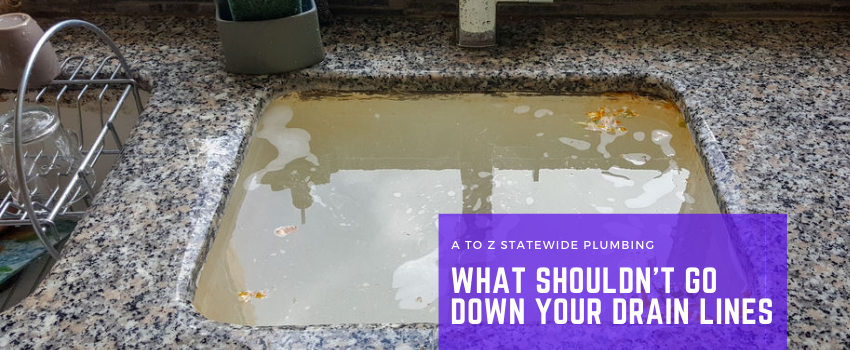





 Hard water is a common problem affecting residential water supplies. Even the best water treatment plants can’t prevent it, since most hard water minerals enter the water after it has left the treatment plant and is on its way toward homes. The minerals of hard water (primarily magnesium and various calcites) seep through the ground and into the freshwater pipes.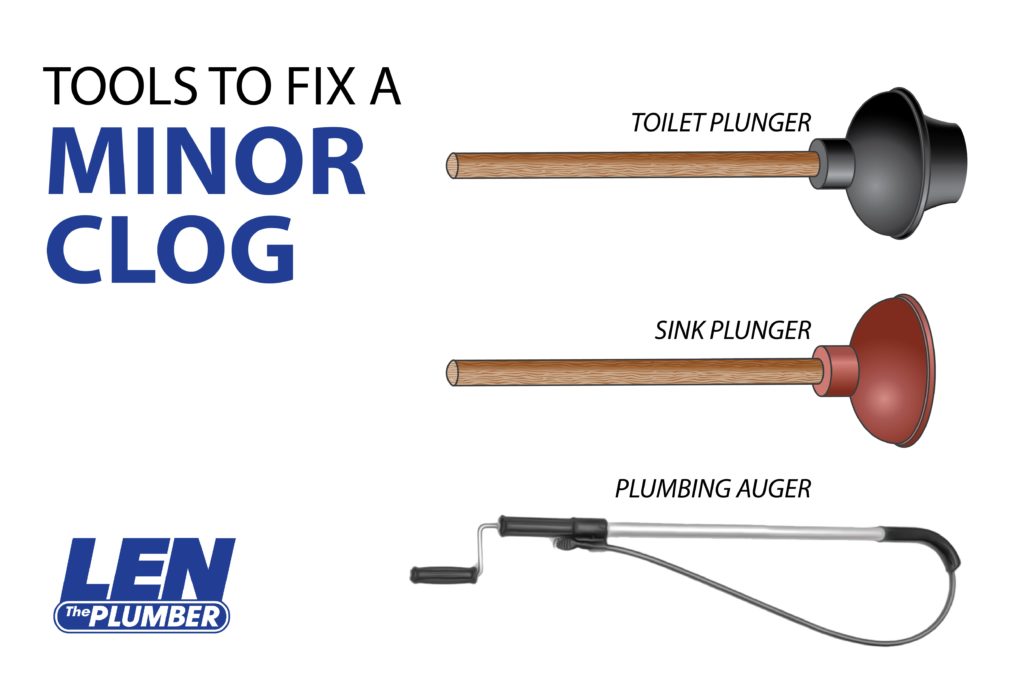
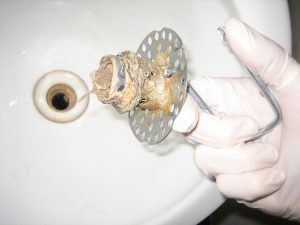 You’ve got a clog and you’re thinking of the age old solution—the drain snake. You’ve recently come across some information letting you know that this isn’t the best possible solution though. What’s there to do?
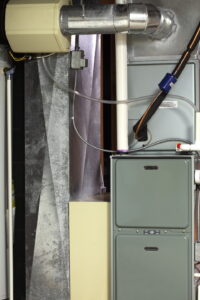 How badly do you need to brush your teeth every night before going to bed? Or how badly do you need to replace the oil in your car every few thousand miles? These questions are a lot more complicated than they seem, and each person is going to answer them differently. Unfortunately, you’re better off listening to a dentist tell you about how often to brush your teeth, and you’re better off listening to us tell you about how importance furnace maintenance is.