Plumbing Nightmares from Around the Web (& How to Fix Them)
Plumbing nightmares can happen to anyone. Most of us probably know someone who’s experienced some plumbing disasters, or maybe you’ve seen some viral memes with funny plumbing pictures.
Plumbing nightmares can happen to anyone. Most of us probably know someone who’s experienced some plumbing disasters, or maybe you’ve seen some viral memes with funny plumbing pictures.
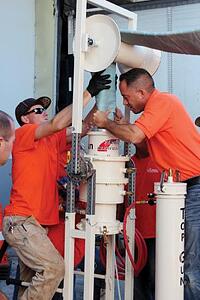
When you think about a water line replacement, a few things will likely come to mind. For one, you wonder if your lawn is going to be absolutely ruined. Even more burdensome will be the main water line replacement’s toll on your bank account, you might expect.
Despite all the costs, however, it’s not as if you can just live on without a functioning water line. It’s a sacrifice you, along with many other homeowners, will eventually have to make. But what if we told you it doesn’t have to be this way?
Call Us at (877) 959-3534 for Plumbing Service
September is baby safety month and the perfect time to think about how best to babyproof your HVAC system! Young children and babies are curious, and want to touch anything and everything. To keep them out of harms way, here are some ways to protect them when it comes to your heating and cooling unit.
Do you have metal vent covers? Babies are attracted to shiny objects – like metal! Unfortunately, metal vent covers tend to have sharp edges that can cut little fingers and toes. Not only that, but if the covers aren’t secured tightly, your baby may be able to pull up on them. The last thing you want is for your baby to get cut, bruised, or injured in another way by running around with your vent cover. Secure it in place by screwing them down so they can’t be lifted up and taken apart by curious little hands.
The thought of a metal vent cover hurting your pride and joy got you feeling uneasy? There are other options – like ditching the metal vent covers and switching to plastic. Plastic vent covers still do its job, but without the risk of injury. With plastic registers, there’s also not really a need to screw them down so that frees up some of your time.
Call Us at (877) 959-3534 for Plumbing Service
If you’re a parent, then you know all too well that you find toys and other objects in the most random places. By adding screening to your ductwork, you don’t have to worry about small little toys getting dropped in there.
Just like shiny objects, babies and young kids love to push buttons – literally. Make sure your HVAC remotes are stored away so your little one can’t grab it and mess with it. Not only can they turn your heat up and down and mess with your settings, but handling the remote unsupervised can be dangerous. The last thing you want is for them to accidentally swallow the remote battery and cause serious injury.
While you don’t think much about your outdoor unit, if you have an “on-the-go” tiny little human running around, then you may want to start paying attention to it. The unit has sharp, spinning fan blades and live electrical wiring that are most certainly not babyproof! To avoid any potential harm, consider fencing in your outdoor unit or enclosing it in a lockage cage so it’s untouchable by your little one.
This post first appeared on https://www.thetrustedplumber.com
Call Us at (877) 959-3534 for Plumbing Service
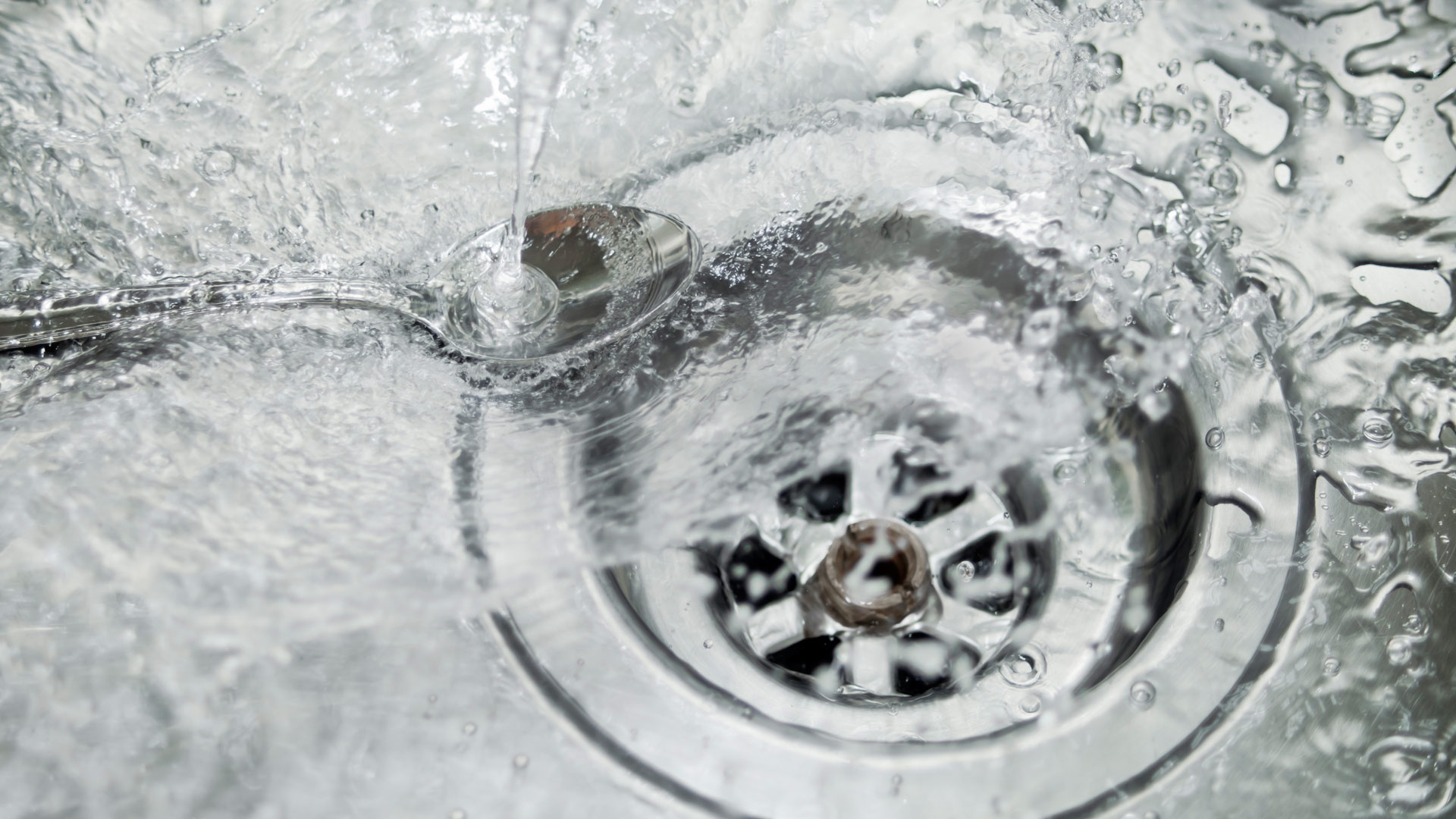
For new and old homeowners alike, sometimes a drain clog can seem confusing. You didn’t necessarily put anything solid or rough down your drain, so how could it be clogging all of a sudden? Your pipes are in good shape and the last home inspection you had specifically mentioned that your home’s plumbing was in good condition. So … what gives?
Well, first of all, a home inspection or just a quick run-through of your pipes can’t see what’s inside of them. This is why an inspection can be misleading, since a drain system can be majorly clogged without it ever showing up except when you try to use the drain for an extended period of time. But the truth is that you might have accidentally clogged up your drain with materials that otherwise feel fine to flush. In this case, you might need drain cleaning in West Orange, NJ.
One of the most insidious causes of drain clogs in our area is FOG. FOG stands for fats, oils, and grease, and it’s a material that can look like a liquid that gets flushed down the drain, only to be a problem later on.
You see, fats solidify at a different temperature than water. This means that the cold interior of your pipes can be the perfect environment for that bacon grease or butter to solidify and sit in your drain unable to move.
Call Us at (877) 959-3534 for Plumbing Service
Eventually, other food scraps will get caught up in the solidified FOG material and cause a clog. These kinds of clogs form easily because the FOG acts like a glue that keeps it all stuck to the wall of your drain and in there for an extended period of time. A clog can exponentially grow since it makes it harder for contaminants to wash away, and thus you’ve got a truly bad clog on your hands.
One of the biggest hassles with drain problems is that we can’t see them. For all we know, that accidental onion peel that got flushed down the drain and ended up at a water treatment plant or in the garbage. But in truth, it could have gotten stuck in your sewer system and started a cascading drain clog that will make itself known in a few months. And to make matters worse, once we walk away from the sink drain, it can be almost impossible to remember what we just flushed down it!
Well, first of all, we just want to be clear about what to do. Just because you don’t see solid materials go down your drain doesn’t mean that there aren’t drain clogging materials routinely being flushed down it. For instance, if there are other members of your household, especially children, they could be flushing paper towels, toys, and food waste down the drain because it seems like it “disappears.” This is just the cost of living with a full household!
We recommend investing in drain cleaning services every one or two years so you can rest assured that your plumbing system is in good shape.
Call Us at (877) 959-3534 for Plumbing Service
This post first appeared on https://margoplumbing.com
Call Us at (877) 959-3534 for Plumbing Service
Your heater or furnace is probably the first thing you think of when considering heating appliances that sometimes need maintenance, repair, or replacement. But unlike your home’s heating system, which gets to take a break during the summer, your water heater is working all year long, supplying plentiful hot water every day. It deserves some appreciation for everything it does, and it definitely deserves your attentiveness when something does go wrong.
So how can you tell when there’s a problem with your water heater that requires professional help? There are several things you can be on the lookout for. If you notice any of these signs, it’s time to seek out qualified water heater repair in Orlando.
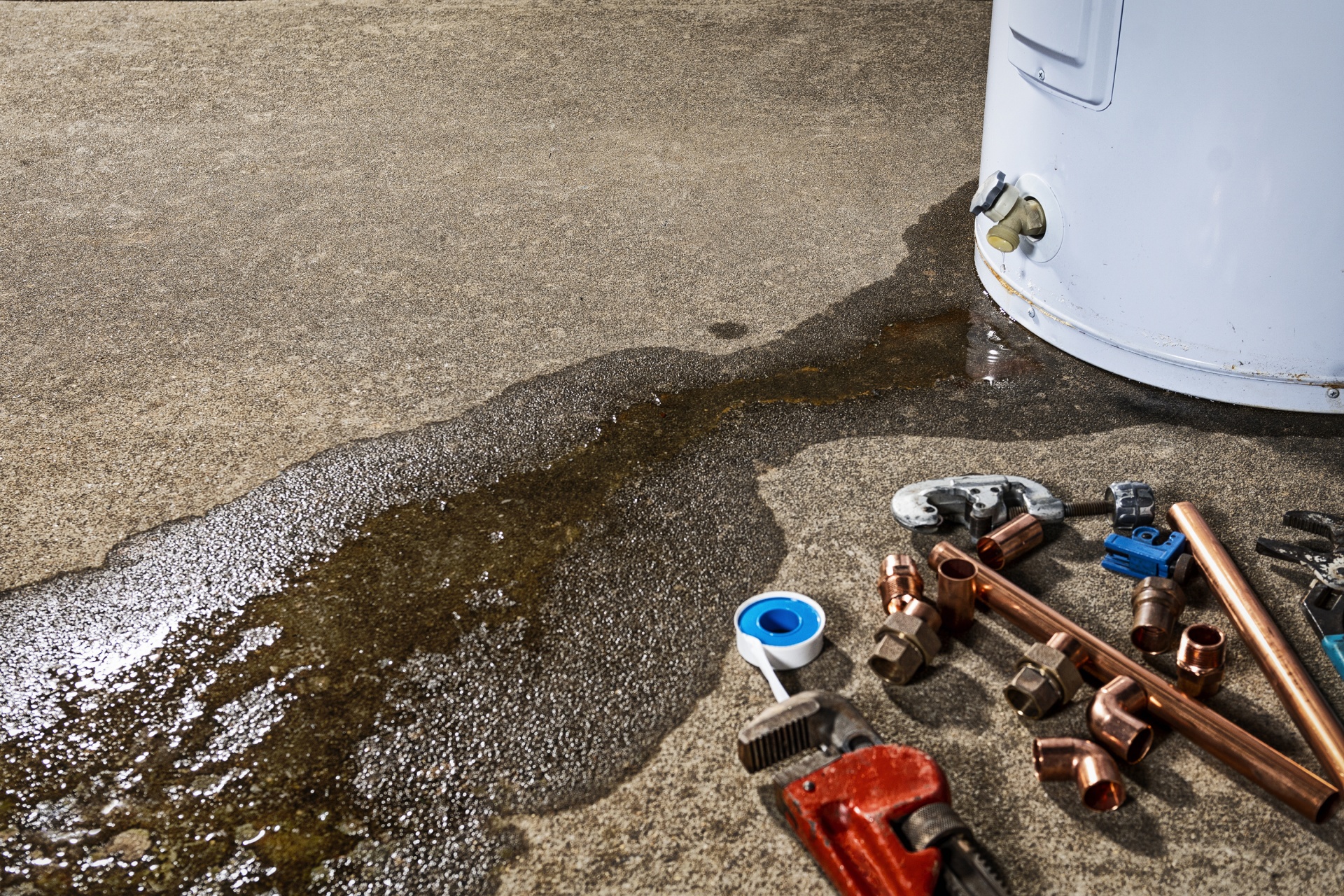
This one might seem obvious, but there’s a little more to it than you might imagine. There is a place where water will escape when necessary, to reduce pressure. It’s called the pressure relief valve, so dripping there shouldn’t be considered cause for concern. But if there’s water coming from anywhere else, this is a very urgent concern. The gas or electricity to the unit should be shut off immediately, and a technician should be called in.
Call Us at (877) 959-3534 for Plumbing Service
If your water heater makes this ominous noise, it is cause for concern—but don’t worry, it’s not a sign of immediately impending disaster! It may be caused by a pressure problem, or by a buildup of sediment in the bottom of the tank. Another possibility is a break in the dip tube. This is the channel that carries cold water to the bottom of the tank where it will be heated. An experienced service professional will be able to determine which is the cause.
If you turn on the hot tap and the water that runs out looks dirty, this could be from sediment. However, it could also be rust from inside the tank, in which case the unit may need to be replaced.
While water heaters are made to be corrosion-resistant, nothing can truly be corrosion-proof. Over time, it is possible for corrosion to occur. If you’re noticing it on external parts, you should consult a professional. It may be that only certain parts require replacement.
If your usage patterns have stayed about the same but the water heater isn’t keeping up with your use, and you’re running out of hot water sooner than you would expect or finding the water just plain not hot enough, it’s time for repairs. This could have to do with sediment, with the dip tube allowing hot and cold water to mix, or with the thermostat needing recalibration.
If the hot tap only gives you a trickle, the circulator pump could be the culprit. If your system is tankless, a buildup of limescale from hard water can narrow the intakes, allowing less water through. In either case, you should reach out to a professional.
Call Us at (877) 959-3534 for Plumbing Service
This post first appeared on https://www.modernpi.com

Traffic on Reddit is as busy as the South Sacramento Freeway during rush hour! In May 2022, the online forum measured approximately 1.7 billion visits, making it one of the most-visited websites, according to Statista.
So while social sharing websites like Facebook, Twitter, and Instagram gather all the attention, Reddit is becoming a stealth social powerhouse. But what is Reddit? How does it work? And why is Reddit great for DIYers and plumbers alike?
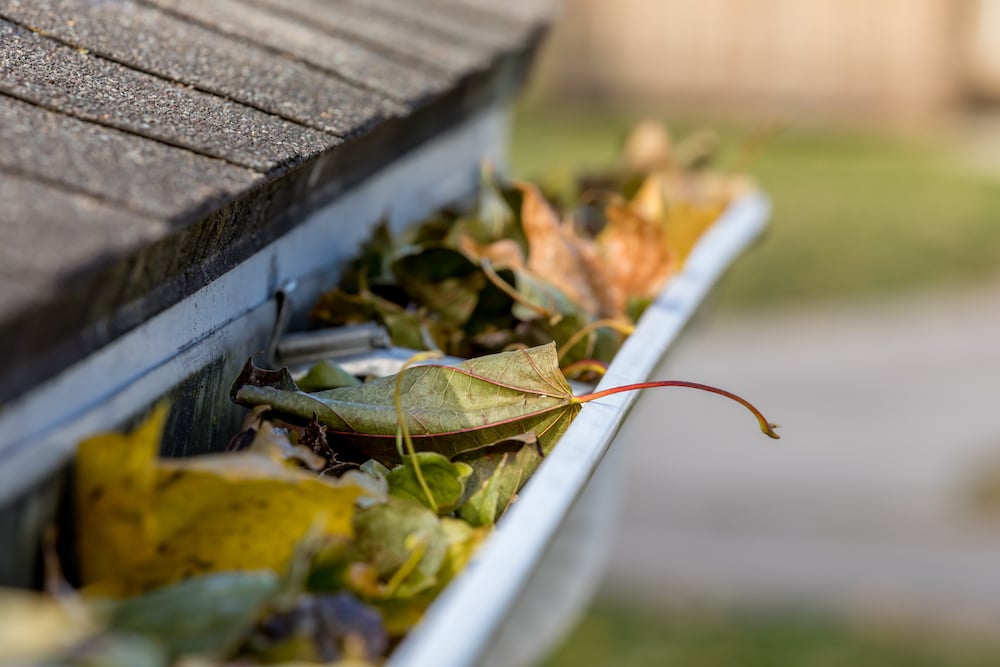
Properly installed gutters and roof drains help protect your property from rain and other conditions. But like most installations, gutters and drains require regular maintenance to continue getting the job done. The most common fix you’ll likely have to perform is unclogging, and there are numerous ways to do this. In this blog, we’ll discuss the best way to clean clogged gutters and clogged roof drains, and get this: You may not even have to get on the roof!

Call Us at (877) 959-3534 for Plumbing Service
If you’ve been searching online for help with your air conditioning in Verona, NJ because you just heard a dripping noise, then your search is over! We’re experts in this industry, and we’re going to talk about what this sound could mean in addition to some sounds that prove a different problem is happening.
First, we just want to say that you’ve done an excellent job of being vigilant with your air conditioning system. Sounds are some of the best ways to figure out if your air conditioner is running into problems and needs repairs. A dripping noise might sound more normal than other noises, like bubbling and hissing, but it could still be a sign that some work needs to be done on your AC depending on when it was last maintained.
Let’s get into it. For more information about your particular AC setup or situation, feel free to call our team.
Call Us at (877) 959-3534 for Plumbing Service
When your air conditioner makes a dripping noise, it can be easily explained. You see, the humidity in the air immediately condenses when it’s cooled from the AC unit. That condensation then forms along the coils of the AC system and drips down into a pan which collects the moisture to eventually deposit it in a drain. Depending on how much humidity there is, like on a very muggy day, you’re going to hear more dripping since more humidity in the atmosphere is being siphoned out of the air and condensing.
The good news is that this dripping sound is completely normal and something that you shouldn’t be worried about. The bad news is that it can become a problem over time, and there’s one more sign we’d like to talk about that signals this!
Dripping condensate can be a problem for air conditioners, but only if the condensate drain gets clogged. If you’ve been hearing a lot of dripping coming from the AC, then you shouldn’t necessarily be worried, but there are two signs that could be problems if you detect these as well.
Do yourself a favor and schedule routine maintenance for your system, as well as get the condensate drain cleared if you smell any foul odors coming from the vents or unit itself.
We know some homeowners might be curious that this “dripping” noise is the sound of refrigerant leaking, but we’d like to halt the rumors by simply saying no. Refrigerant is a gas when it’s in our atmosphere and standard pressure, meaning it leaks from refrigerant lines by “hissing” like a normal gas would. Sometimes leaking refrigerant can make a “bubbling” noise as well, but that’s actually the sound of air bubbles entering the liquid refrigerant line, not the refrigerant dripping out.
Call Us at (877) 959-3534 for Plumbing Service
This post first appeared on https://margoplumbing.com
Call Us at (877) 959-3534 for Plumbing Service
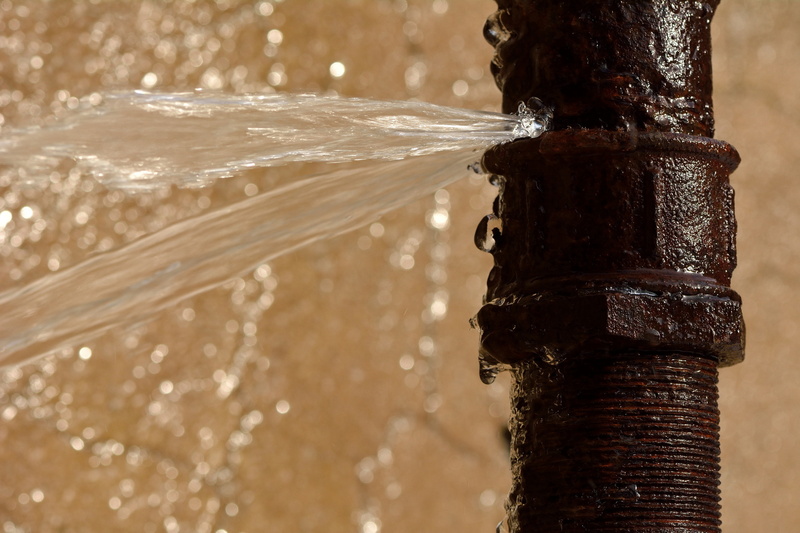
Water can create a staggering amount of damage to areas it runs through. Just look at the Grand Canyon! Many of the surfaces in your home are not water-resistant: sheetrock, carpets, and wood cabinets. It’s easy to see that a plumbing leak could cause tremendous, expensive damage.
Occasionally, a plumbing leak is sudden and obvious. But often, it happens slowly. If it’s not addressed promptly, water can soak into your home, causing rot and decay. How will you know a slow leak has started, especially when your plumbing is behind walls or in cabinets? There are signs that can clue you into a plumbing leak in your home and let you know it’s time to reach out to an expert in plumbing in Winter Park, FL. We’ll start with the more obvious and work our way toward the sneakier leaks.
Call Us at (877) 959-3534 for Plumbing Service
Dripping, and trickling sounds that occur when you’re not using an appliance such as a clothes washer or dishwasher are very definite signs that something is wrong. A leak that creates enough water to be heard is probably significant, and you should reach out to a plumber immediately.
A steady flow of even a small amount of water can cause pooling on surfaces. A new stain on your ceiling during a very rainy period may indicate a roof leak, but if it showed up during dry weather, or in an area unlikely to be affected by a roof leak, your plumbing is probably the culprit. But not all water damage looks like a puddle. Bubbling, bulging, or buckling walls, doors, or floors can also indicate that water has swelled the materials they are made of.
Have you noticed a musty smell around your home? Have you found spots that might be mildew? Are there areas where mold didn’t grow previously that are now growing mold like it’s a popular new crop? The humidity caused by excess water flowing through your home makes an ideal environment for mold to grow. Not only is mildew unsightly and unpleasant-smelling, but it’s also unhealthy to breathe—and it’s a sign that your plumbing needs to be checked for leaks.
Older homes tend to settle over the years, and a superficial foundation crack should not be a surprise. But a lot of cracks, or the sudden development of new cracks, are cause for concern. One possible cause is a slab leak, or underground leak, from your plumbing. It’s important to have professional help assessing whether that is the case.
The final sign of a sneaky leak is not even something you will discover in the walls or floors or foundation of your home. It’s something you’ll discover in your mailbox (or your email inbox). Increases in water bills are usually due to causes you’re already aware of, such as filling a swimming pool. When your water bill increases and you don’t know why, it may be that a plumbing leak is causing unseen damage somewhere in your home and also causing damage to your bank account.
Call Us at (877) 959-3534 for Plumbing Service
This post first appeared on https://www.modernpi.com

Call Us at (877) 959-3534 for Plumbing Service
Bathroom mirrors can be difficult to keep clean with so many things working against you, like toothpaste specks, water spots, and fingerprints. If you’ve ever tried to get a spotless shine when cleaning your mirror, you know that it’s easy to end up with lots of streaks.
Below are the steps you need to take to get a clean bathroom mirror every time.
The best way to remove tough stains and spots like toothpaste globs, hairspray, or smeared fingerprints is to use rubbing alcohol.
Other sprays and cleaners will just smear these spots, but dabbing a bit of rubbing alcohol on a cotton pad to treat those areas before wiping down the entire mirror will leave you with a streak-free mirror.
While you can use a glass cleaner that you already have, we recommend making a solution of one part vinegar and one part distilled water.
Not only is this mixture easy to make, but it also prevents streaking from excess soap you find in many store-bought sprays.
Spray a light layer of the solution directly onto your mirror. Avoid spraying too much, which would cause the solution to drip off your mirror.
Call Us at (877) 959-3534 for Plumbing Service
While many people turn to paper towels to clean glass, they can make things worse, as they often leave behind dust, residue, or lint.
We’ve found that the best way to truly clean glass is to use a high-quality, flat-weave microfiber cloth. It cleans effectively without being thick enough to collect lint or other particles that could be left behind on the mirror.
Start in the top left corner and slide your cloth straight across to the top right corner and back again, making your way down to the bottom of the mirror.
Look at your mirror from a few angles to ensure it’s completely clean.
If you notice any streaks or spots, spray a small amount of your vinegar and water solution directly on the imperfection and wipe it clean. Your mirror should be spotless!
Call Us at (877) 959-3534 for Plumbing Service
This post first appeared on https://lentheplumber.com