Having a garbage disposal allows you to dispose of (select) food waste easily into your sink. While it does add convenience to your kitchen cleanup, there is the possibility of it leaking. Garbage disposals can leak for multiple reasons, but here are the most common causes of these leaks and where they may stem from.
My Garbage Disposal Is Leaking from the Top
Likely Cause: A Loose Sink Flange
Your sink flange is the piece that connects the garbage disposal to the sink drain. Garbage disposals are typically connected to your sink via the flange and plumber’s putty. Leaks commonly occur here when the connection between the sink flange and the sink drain isn’t tight enough or the connection has corroded over time. Here’s what you can do if you suspect your connection is failing:
Check the mounting bolts. Your mounting bolts connect the flange to the drain. Make sure they are fastened tightly.
Check the plumber’s putty. If the plumber’s putty that helps seal your disposal in place has been compromised, simply loosen the bolts, add new plumber’s putty, and then retighten the bolts.
My Garbage Disposal Is Leaking from the Side
Likely Cause: Drain Line Connection
In many cases, the drain pipe from the dishwasher is connected to the garbage disposal. This drain pipe will remove any excess food debris and water from the dishwasher into the garbage disposal.
Check the clamp. Your main drain line is connected by screws and a rubber gasket on the inside. If the metal clamp connecting your dishwasher to your garbage disposal is loose, you can try to tighten it with a screwdriver.
Inspect the hose. Look for any cracks or hard, dried-out areas in the hose connecting your dishwasher to your garbage disposal. If your hose is compromised, replace it before running your dishwasher again.
My Garbage Disposal Is Leaking from the Bottom
Likely Cause: A Busted Internal Seal
Depending on the age and use of your disposal, it could be worn out, leading to internal damage. If your disposal is leaking from the bottom (and not just dripping from an area higher up), the cause is usually the garbage disposal itself. There are internal seals that can wear out over time, leading to leaks and disposal failure.
Inspect the body of your garbage disposal. Look for any cracks or wet spots on the body of the unit. Unfortunately, if the disposal is cracked, the entire unit likely needs to be replaced.
Check for shifts in your garbage disposal’s position. Garbage disposals live underneath the sink alongside most of the cleaning supplies in your home. If the disposal has been knocked or bumped, it could have shifted out of place. Ensure that the disposal is sitting upright, and if it has shifted, realign it. Then, inspect the seals and plumber’s putty, resealing it if necessary.
Fixing a garbage disposal leak isn’t always a difficult task that requires a professional, but you do have to know where to look and how to go about fixing it. When your garbage disposal or sink plumbing needs repair, you don’t have to worry about DIY fixes. Nor is it necessary to scour the internet for how-to videos.
Simply contact Len The Plumber! We’ll inspect your home’s garbage disposal and provide you with comprehensive repairs or replacement services when needed. To learn more or to schedule an appointment, give us a call at (800) 950-4619.
We are a participant in the Amazon Services LLC Associates Program, an affiliate advertising program designed to provide a means for us to earn fees by linking to Amazon.com and affiliated sites.
No bathroom is complete without a quality Kohler Elliston toilet. If you require an easy to clean, reliable throne, then the Kohler brand offers unparalleled value and design to create the perfect bathroom. And with a sleek contemporary feel, the Kohler Elliston toilet may suit various interior schemes without looking out of place.
From high-quality residential toilets to functional, reliable commercial units, Kohler provides toilets for every occasion. The quality of the ceramics and the exceptional eye for detail ensure that the Kohler Elliston toilet stands the test of time. Not only that, but the unit comes packed with beneficial features to make installation and cleaning a breeze.
The Kohler Elliston Toilet
The Kohler brand has a reputation for designing high-quality toilets packed with user-friendly features at excellent prices. We live in uncertain times, and when we spend on home improvements, we need to feel confident that the investment offers a long-term solution together with good value. Installing a Kohler Elliston toilet provides long-lasting quality and excellent value.
Kohler has numerous models of thrones, from a dual flush toilet, one-piece designs, and elongated bowls. If you find yourself working with a tight budget, you don’t have to sacrifice the luxury of a powerful flushing system or water-saving features.
The Kohler Ellison comfort height toilet is a two-piece elongated unit. The toilet offers water-saving features with a 1.28-gallon flush and a comfortable, quiet-close seat.
Additionally, as part of Kohler’s innovative comfort height range, the toilet sits at chair height, making it incredibly easy to use.
It’s All About the Base
As we sit comfortably on our throne, few of us may consider what material we sit on. Kohler uses various high-quality materials to build each toilet, including vitreous china, china, ceramic, and porcelain.
The robust nature of the materials creates a toilet that is easy to clean and stands the test of time. For residential and commercial purposes, the materials’ tough qualities remain an essential factor for the longevity of the toilet’s appearance and use.
Style personified
The Kohler Elliston toilet combines classical architectural design elements with bold contemporary aesthetics. Consequently, the toilet may work well in a variety of bathroom interiors.
The base is made from vitreous china, which is a glazing technique applied over a porcelain base. The glass-based enamel produces a material that remains tougher, denser, and shinier than many alternatives, making it the perfect choice for the Kohler Elliston toilet.
How to care for your vitreous china toilet
Kohler recommends using a soft cloth to wipe the toilet after each use to keep it in prime condition. Products such as Cif Power & Shine may be the ideal solution to cleaning the toilet’s surface.
Two-piece construction
One of the best features of the Kohler Elliston toilet is the two-piece design, meaning that the tank and the bowl remain separate.
The bowl is an elongated design, which means more space on which to sit. Consequently, the thoughtful design of the toilet provides the user with a comfortable experience.
The advantage of a two-piece toilet
A two-piece toilet proves easier to repair because you may replace just the tank or the base as required. Plus, a two-piece toilet may prove easier to fit because it doesn’t weigh as much as a single piece unit.
The disadvantages of a two-piece toilet
A two-piece toilet tends to take up more room than a single unit. And because you have to fit two separate parts, some users may find it challenging to fit. Additionally, the two-part construction means more joins, which may take longer to clean.
Comfortable to use
Kohler cleverly designs their comfort fit toilets to correspond to the height of an average chair. That helps users with lower back problems stand up and sit down easily when using the toilet.
Size matters
By nature, a two-piece toilet is larger than a single unit.
The Kohler Elliston toilet measures 30 x 16.75 x 30.5 inches, which makes it a considerable unit. However, the smart design of the toilet negates the size as it is gorgeous to look at.
Also, the toilet weighs in at 107 pounds.
If size is a limiting factor for your bathroom, ensure you measure the space accurately before purchasing your unit.
Performance
There are no essential differences between the performance of a two-piece toilet when compared to a single. Both types of toilets offer similar features with water-saving properties and efficient flushing systems.
The difference boils down to the height and comfort of the units. The toilet is for comfort, and if that remains a priority, then the Kohler Elliston toilet is the perfect choice.
Water-Saving Innovation
In a world where we remain mindful of our environment, technology continues to push forward for the planet’s benefit, especially with water-saving innovations. Water is a precious commodity, and by using water-saving fixtures in our bathrooms, we may help protect the planet.
The law
Flushing a toilet always felt so wasteful, and before 1992, the average toilet flushed away at least 3.5 gallons with every use. However, in 1992, the federal government passed a new standard for toilet manufacturers with the sole purpose of conserving water usage.
The standard means that no toilet may use more than 1.6 gallons of water per flush. Consequently, flushing a modern toilet saves money for the consumer and conserves water.
A Kohler Elliston toilet will save you money with every flush because each design contains water-saving features.
Water consumption
The Kohler Elliston toilet uses 1.28 gallons of water with each flush, which makes it incredibly efficient. So, you may find that you will save money on your water bill when installing this particular toilet model.
However, even though the unit uses less water, it doesn’t compromise the toilet’s flushing capabilities. Innovative technology installed in the flushing unit ensures a clean, thorough flush every time.
Flush Away Your Woes
Kohler has a reputation for employing exceptional technology in their toilets, and the Kohler Elliston toilet is no exception, despite the reasonable price tag.
The powerful flushing system generates a flush that clears all the bowl contents with a single water flush. Additionally, the toilet has a polished chrome lever on the left-hand side for convenient flushing.
Class Five technology
Kohler’s registered Class Five technology generates a strong flush. Single-flush gravity uses the force of gravity and a precision-engineered tank, bowl, and trap-way to create a powerful siphon during flushing.
An AquaPiston canister allows water to flow out of the tank from all sides to increase each flush’s effectiveness.
The durable canister design has 90 percent less exposed seal material than a standard 3-inch flapper to provide leak-free performance. Furthermore, the light-touch canister flush uses a lower actuation force than a flapper for efficient operation.
Installation
A one-piece toilet may be a challenge to fit due to the unit’s weight, especially in smaller spaces. However, a two-piece toilet could be easier to fit due to the tank’s separate nature and base. The individual parts feel more comfortable to handle and maneuver into position.
Installing the Kohler Elliston toilet
The manufacturer describes the toilet as a standard 12-inch rough-in with a 2-bolt installation. However, the one downside to this derives from the toilet supply line, which you must buy separately.
Anyone with a basic knowledge of DIY may tackle the toilet’s installation, though you may need additional help to maneuver the toilet into position. Despite the two-part construction, each element is heavy, and you don’t want to risk damaging them when you install the toilet.
The toilet comes with detailed, comprehensive instructions for installation.
Weighing up the Toilet
The Kohler Elliston toilet has a lot going for it, but we need to understand the toilet’s pros and cons to present a balanced review.
The pros
Most users report that the toilet remains easy to install without the need to hire expensive professionals. So, that is a significant advantage when working with a tight budget.
The height of the toilet makes it incredibly easy to use. Anyone suffering from back issues may find the unit comfortable to sit on and easy to stand up from.
The toilet features an elongated base, which gives you additional comfort and space. The feature further enhances the comfort fit nature of the model.
A WaterSense certificate proves the efficiency of water consumption. The low water usage should save you money over time and help protect the environment.
The Class Five technology in the flushing system ensures a clean bowl with every flush. The strong siphon clears the toilet quickly and efficiently.
Plus, vitreous china is easy to clean and gives the toilet a tough, durable finish. Not only that, the attractive chrome handle is conveniently on the left-hand side.
The cons
You must purchase the toilet supply line separately before you install the toilet.
Two-part toilets may feel awkward to fit for some users, and you may wish to employ a professional.
Some users found that the fill valve jammed occasionally and needed repair.
The nature of the two-part construction may make cleaning a bit of an issue because of the joins where the cistern meets the base.
Finally, you cannot choose which side to have the flush handle, limiting the toilet’s positioning.
The Final Flush
The Kohler Elliston toilet provides everything a family requires from a toilet. The elegant, clean lines of the design mean the fixture may suit various bathroom interiors and add a sense of style to your décor.
This particular toilet is a two-piece unit, and most users report that the toilet is easy to install despite the need to buy a separate supply line. Plus, the height of the toilet provides the user with a comfortable experience. The toilet is easy to sit on and easy to get off.
Also, the elongated seat adds additional comfort. So, the toilet proves ideal for elderly household members and those experiencing back problems, in particular.
The efficient flushing system uses very little water, which may save you money in the long run. But despite the low water consumption, the flushing capabilities of the toilet remain uncompromised. With strong rinsing power, the flush leaves the bowl clean and clear after every flush.
Money-Saving Innovation
Kohler remains a brand providing excellence and innovation in its comprehensive range of bathroom fittings. An eye for detail and a love of technology shine through their products to bring a strong design ethos to our homes, reflecting the need to protect the environment.
In this time of uncertainty, we know all too well the importance of spending money wisely. Therefore, the Kohler Elliston toilet represents excellent value for money while giving the user a superb and comfortable experience.
With just enough unique features to make the toilet special and keep the price low, the Kohler Elliston toilet represents an excellent addition to any home.
Do you have any experience fitting Kohler toilets? Why not share your experience with us by commenting in the box below?
Sean Kerr lives in Cardiff, Wales, and is a published author with over 10 novels to his name so far and still counting. As well as writing his next bestseller, Sean also runs a successful jewelry making business and sells his creations online.
If your commercial property has a water heater, then your business depends on it running smoothly every day. You can’t have a faulty water heater or risk ignoring one that is giving off signs it needs to have repairs done. You put too much at risk if you allow the water heater to keep running when it needs to have attention from experts in commercial plumbing in Avondale, AZ.
You don’t want the first sign you notice of a water heater going bad to be when it shuts off and you don’t have any hot water in your commercial facility or building. Below we’ve listed some of the signs to watch for that it’s time to call our commercial water heater pros for repairs.
Leaks
We recommend you make an occasional visual check on the water heater so you can notice visual signs of trouble, such as leaks. If you see water puddling around the water heater floor, don’t wait—call for repairs right away. The water heater may be cracking or there are loose connections.
Odd rumbling sounds
Don’t panic that your water heater is about to explode. This is extremely uncommon. But the sound of rumbling from the tank is still a cautionary sign. What’s mostly likely occurring is that sediment is building up along the bottom of the tank. This sediment can form into a hard layer of scale. This will make it more difficult for the heat exchanger to transfer heat into the tank; the sound you hear is a layer of heated water bubbling up through the scale. This will significantly reduce the effectiveness of the system. To repair this, you’ll need our pros to flush out the tank and clean it.
Rusty discoloration from taps
If anyone in the facility alerts you to a reddish-brown discoloration in the hot water, one that doesn’t go away after a few minutes, it indicates a serious problem with the water heater. Unfortunately, this is often a sign that a water heater tank has rusted through, in which case you won’t need to repair the system. You’ll need to replace it.
Low hot water volume or temperature
Is the hot water in your building simply not getting hot enough? If this is limited to a single tap, it’s likely a mixing valve problem a plumber can solve easily. But if it is occurring throughout the facility, something is wrong with the water heater. Also watch for a drop in hot water volume: the hot water used for regular tasks is running out earlier than it usually does.
High energy costs
The water heater uses an immense amount of power, probably the most of any heating system in your facility. If it is malfunctioning, it will draw on more power to run, and you’ll see this reflected in your energy bills. When you see a spike in heating costs that you can’t explain, you may need to have our professionals look at your water heater.
If you want to focus on your family members and friends during the holidays, then you need to make sure that you take care of your septic tank. To avoid your septic tank backing up during the holidays, it is important to invest in a septic tank cleanout. There are a few points that you should keep in mind when it comes to your septic tank.
Inspect and Pump Your Septic Tank Regularly
It is important for you to have your septic tank inspected and pumped regularly by trained professionals. Some of the factors that will play a role in how often you should have your septic tank pumped include:
The size of your household
The amount of waste that your household generates
The total volume of the wastewater itself
The overall size of your septic tank
This holiday season, make sure that your septic tank can handle your guests by getting it pumped with the help of trained professionals. There are a few additional ways that you can ensure the integrity of your septic tank.
Dispose of All Waste Properly
Everything that goes down your drains is going to eventually end up in your septic tank. When it comes to your toilets, never flush anything other than human waste and toilet paper. Some of the common items that people mistakenly flush include:
Chemicals such as gasoline, oil, antifreeze, and paint
Diapers
Dental floss
Condoms
Cigarette butts
Cat Litter
Paper towels
Pharmaceuticals
All of these items can damage your septic tank, leading to an expensive repair bill, clogged drains, and possible water damage. Make sure that you only flush human waste and toilet paper down the toilet.
Call the Professionals at A to Z Statewide Plumbing Today!
You need to make sure that your septic tank is ready for the holidays. That is where our experienced team can help. If you would like to schedule an inspection and septic tank cleanout for your home, then contact the experts at A to Z Statewide Plumbing at 954-981-2133!
Trending Topics Right Now
Aaron Atkins
Delivering exceptional customer service is first and foremost, but, when he is not focused on supplying your home or business with the highest level of customer support, Aaron prefers to lace up the running shoes and pound pavement for hours on end. Originally hailing from the snowbelt of Pennsylvania, Aaron currently resides in sunny South Florida with his wife and three children.
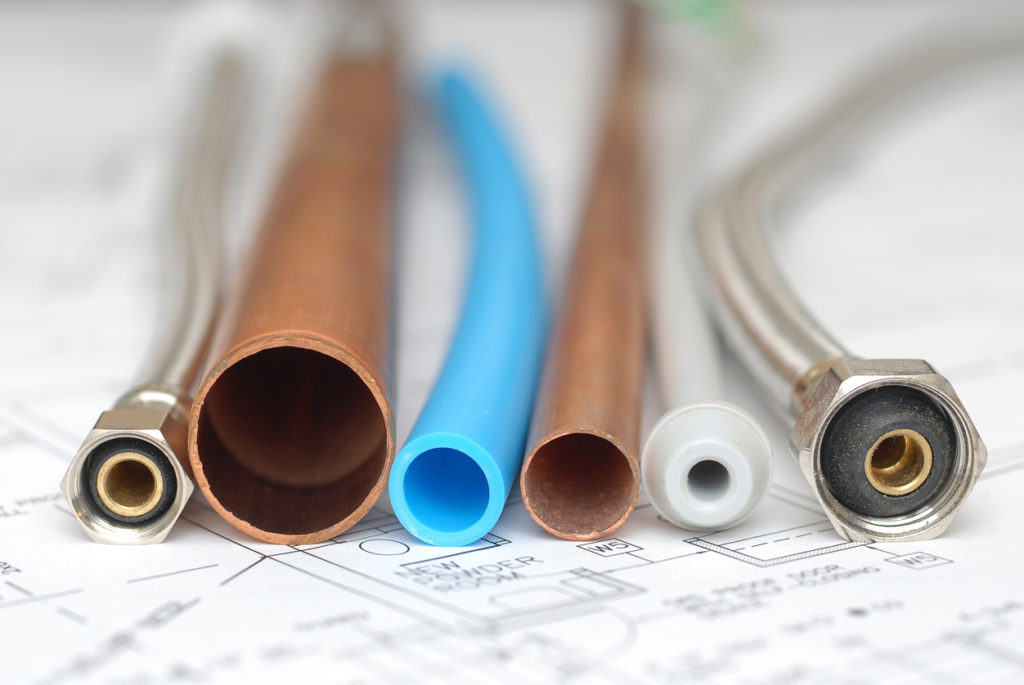
There are a wide variety of plumbing pipes available to homeowners these days. Whether you’re looking to replace your home’s or businesses’ pipes or you’re embarking on a new build, it’s important to know your options! Depending on the job at hand, some pipes are more suited than others to get the job done right. Let’s take a look at what is available and the ideal pipes for your home’s plumbing needs.
PEX Piping
Polyethylene (PEX) piping is made from plastic and used for water supply piping systems throughout homes or businesses. Flexibility is a major component of PEX piping, making it easier to install than other more rigid options. It is also highly heat resistant and durable. Initial costs of PEX installation tend to be higher than other piping materials; however, it requires little to no maintenance. PEX comes in sizes from ¼ inch to 4 inches in diameter. Most commonly, ½, ¾, and 1 inch are used for water supply piping.
Other important benefits/characteristics of PEX piping:
Generally leak-free
Ease of installation
Energy conservation through reduced heat transfer
Corrosion resistant
More resistant to scale buildup than other pipes
Less expensive than copper pipes
Doesn’t require soldered or threaded connections
Ideal choice for small businesses and residential homes
Copper Piping
Often used to construct or renovate gas line plumbing systems, copper pipes are a durable and reliable option for homeowners and businesses alike. Copper pipes are capable of handling pressure up to 1000 psi, and they are great at withstanding hot and cold temperatures. While copper pipes are more expensive than other options, they will last a long time (upwards of 50-70 years if properly installed). One thing to note is that copper pipes won’t perform as well if your water is highly acidic.
Other important benefits/characteristics of copper piping:
Most common material available
Reliable against corrosion
Fire resistant
Can be used with both hot and cold water
Must be soldered together by an expert
Will not release dangerous materials such as lead into water
Fire resistant
PVC Piping
Polyvinyl chloride, or PVC, pipes are used for a variety of piping applications, from transporting drinking water to fire sprinkler systems. PVC piping is a durable and cost-effective alternative to lead-based piping that is being widely utilized throughout the U.S. and Europe. Further, PVC piping can operate effectively for upwards of 100 years.
Other important benefits/characteristics of PVC piping:
Used for potable (drinking) water and sewage-related applications
Depending on the type of job, PVC pipes with different levels of thickness are available
PVC piping used for potable (drinking) water will be specially designed so that it will meet the proper health requirements
PVC is a low-carbon, recyclable plastic, making it an environmentally friendly option
Galvanized Piping
Galvanized pipes are constructed of steel that has been dipped in a protective molten zinc coating to prevent or delay rust and corrosion. It was a popular choice after the First World War and prior to the 1960s and was invented as an alternative to lead pipes. Some homes even installed galvanized pipes as late as the 1980s. However, after decades of use, galvanized pipes can suffer rust and corrosion buildup, which can significantly disrupt your home’s plumbing system.
Other important benefits/characteristics of galvanized piping:
Less expensive and more durable than copper pipes
Wider diameter to allow more water flow than alternatives
Visible pieces of rust can be seen in contents of water over time
Mainly used for gray water (excess bath, sink, and appliance water)
Choose the Correct Piping for Your Plumbing Needs
You’ve seen many different types of plumbing pipes, but which ones are meant for what jobs — and which is best? When you need a professional plumber to help you decide (and to professionally install them for you), contact Len The Plumber. If you’re looking for a reliable plumber, check to see if you live in one of our many service areas!
Whatever your residential or commercial piping needs may be, our team of industry professionals have the answers you’re searching for! Give us a call at 800-950-4619 or schedule your services online today!
With cold weather approaching and the first frost on its way, it may be time to wind up the garden hose and store it away until next spring. If you’ve ever dealt with frozen or burst pipes, then you know how important it is to turn off your outdoor water supply lines correctly. Failing to properly drain and shut off your outdoor hose bibbs can lead to water being left in the supply line, which can freeze, expand, and split your pipes. Winterizing your outdoor faucets will prevent you from having to deal with the frustrations and damage resulting from frozen or burst pipes.
5 Steps to Prepare Your Hose Bibbs for Winter
Preparing your hose bibbs for winter’s freezing temperatures isn’t terribly difficult. Here are a few simple steps that outline how to drain hose bibbs for winter and ensure the integrity of your outdoor plumbing:
1) Locate your shut-off valve. Your hose bibb’s shut-off valve will be inside your home, possibly in the basement, crawl space, or utility room.
2) Shut off the indoor valve(s). Keep in mind that if you have more than one hose bibb, each will have its own corresponding shut-off valve to close.
3) Detach your hoses. Next, you’ll need to detach your hoses from your spigots, making sure to drain them before putting them into storage.
4) Store your hoses indoors. Keeping your hoses in heated garages or basements will protect them from damage caused by freezing temperatures outside and ensure they remain in good condition.
5) Leave faucets open for the winter. Once you’ve removed the garden hoses, turn any outdoor faucets to the “on” position, leaving them open for the winter.
Once you’ve completed these five simple steps, you can rest assured that your hose bibbs will be in good shape come spring! Winterizing your hose bibbs will save you the hassle and expense of dealing with frozen pipes or busted pipes. Once you learn to winterize your outdoor spigots, it’s a breeze to complete this task each year!
Invest in Frost-Proof Hose Bibbs
For added assurance, you can invest in frost-proof hose bibbs for your home. Frost-free hose bibbs are installed with a slight downward pitch and the shut-off valve is located several inches inside your home. This maintains your tube integrity by preventing water from sitting in the pipes and freezing. If you don’t want to worry about cracking hose bibbs or freezing damage during the winter months, installing frost-proof hose bibbs is the way to go!
If you need help winterizing your home’s plumbing or you’d like to learn more about frost-proof hose bibb installation, give Len The Plumber’s team a call today at 800-950-4619 or reach out online! We’re standing by to bring you Same Day Service, 7 Days a Week!
We are a participant in the Amazon Services LLC Associates Program, an affiliate advertising program designed to provide a means for us to earn fees by linking to Amazon.com and affiliated sites.
There are many reasons to consider using a Bio Bidet for your backside. Your use of toilet paper will reduce drastically. Not needing toilet paper alone saves money. Also, if you have a septic system, using less toilet paper has other advantages. Also, there are medical conditions that improve with the use of a bidet because bidets are more hygienic and reduce rashes and urinary tract infections.
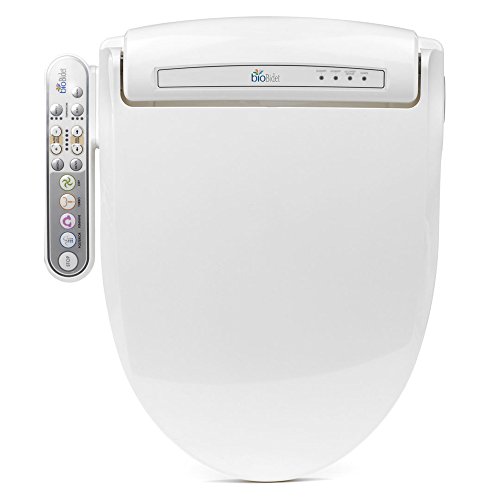
There are many bidets available on the market. Bio Bidet is well informed on bidet research and offers a selection of bidet seats that make your bathroom experience practical, comfortable, and efficient.
What Is a Bidet?
The bidet has been around since the 1700s. Originating in France, the bidet has come along way since its humble basin-like beginnings. These days, the bidet is a part of modern plumbing.
The bidet is primarily used to clean below the belt hygienically. Sometimes the bidet is a separate feature altogether, usually located next to the commode. However, you will see bidet toilet seats that attach to your commode, as well.
Who is Bio Bidet?
Bio Bidet is invested in your bathroom experience. Therefore, they provide their customers with bidets on the cutting edge of technology. Bio Bidet offers bidets and accessories for every budget. Their options include budget-friendly and straightforward designs and premier-class with extra features you did not know you wanted.
How We Reviewed
We went through an enormous amount of customer comments to determine what Bio Bidet products have to offer. We understand we all have different needs, so we looked for features that serve specific functions that customers want.
When we reviewed, we took into consideration the characteristics of each Bio Bidet product. Furthermore, we compiled seats that meet a wide variety of budgets.
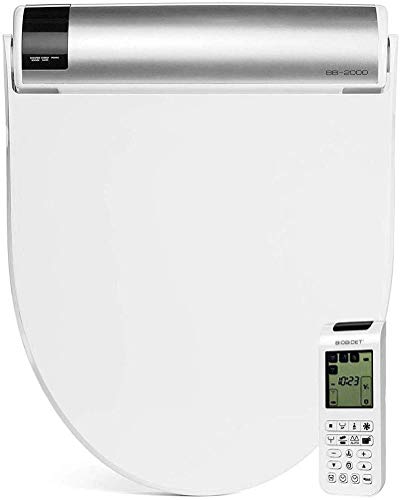
Bio Bidet’s Bliss BB-2000 is a Premier Class bidet with extra features that make the bathroom process pleasant.
The Nozzle
The nozzle is stainless steel, which makes it very durable. The nozzle also uses technology to self-clean, so you do not have to worry about sanitation. Also, the nozzle has three spray features for posterior, feminine, and vortex washing. There is no question of cleanliness with this bidet seat.
The Lid and Seat
The lid on this bidet seat and the lid are slow-closing, so you do not need to worry about the lid slamming down.
The heated seat ensures comfort, and the shape of this seat is elongated.
The maximum weight capacity for this bidet is 400 pounds, and the necessary batteries for the remote are included.
The Extras
The bidet includes a nightlight for the late-night trips to the bathroom, where you do not wish to blind yourself with the bathroom light.
There is a wireless remote, as well, to give you full control over the features of the bliss BB-2000 by Bio Bidet.
Also, it is not just the seat that is heated. The water temperature is also adjustable to ensure comfort and cleanliness without that cold water shock.
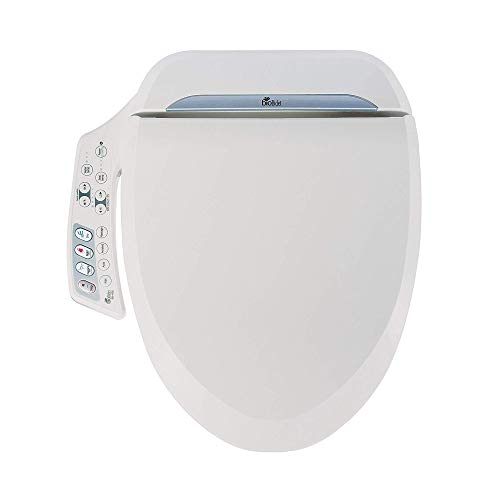
Bio Bidet’s Bliss BB-600 Ultimate is a luxury class bidet seat packed with extra features you didn’t know you needed.
The Nozzle
The nozzle for this bidet is self-cleaning, as well. The nozzle performs both front and back cleaning, as well as a massage setting.
You may adjust the water temperature with this model, and the motor is quiet.
The Lid and Seat
The seat comes in both elongated and round, depending on your toilet design and preferences.
The Extras
This bidet has a wide range of features. The controls are on the panel to the side of the seat, so they are in easy reach. Plus, the buttons are easy to understand and large enough to see with ease.
Also, there is a warm air-dry feature if you prefer that level of comfort.
Lastly, because the seat has its own tank to heat water, you only need a cold water line for installation.
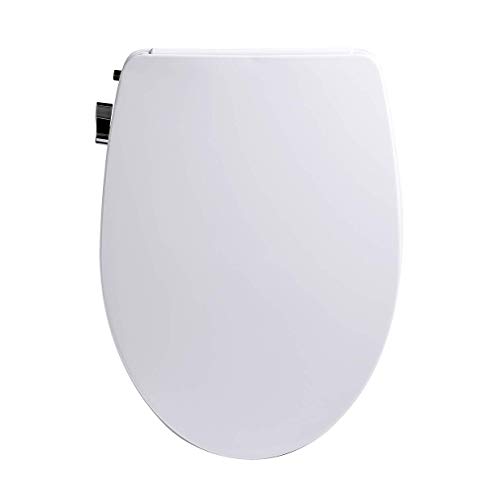
The Slim Zero by Bio Bidet is an economy class bidet seat, but don’t let the word economy fool you. This bidet is full of the features you need in a bidet.
The Nozzle
The nozzle is a dual system, and you engage the nozzle from a lever on the side. Also, the lever is chrome platted.
This particular seat has both a posterior wash and a feminine wash.
The Lid and Seat
This affordable seat is elongated and includes a slim design. The seat itself is very sturdy despite being low-profile.
The Extras
The valve’s construction is high-quality brass, which outperforms plastic valves.
The seat includes a nightlight for those late-night trips, and the light is adjustable from a bright setting to a softer blue.
Even though this bidet is budget-friendly, the controls are easy to use, and its function offers optimal cleaning.
Finally, do not worry about cold water shocks with this bidet. You will find the water is room temperature.
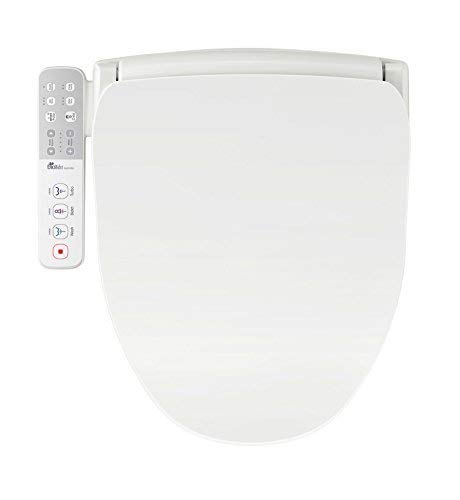
Bio Bidet’s Slim ONE is a luxury class bidet seat that has some ingenious features.
The Nozzle
The nozzle is stainless steel and offers both feminine and posterior washing. Furthermore, this seat has a turbo wash.
Also, the nozzle is self-cleaning, meaning you will not worry about sanitation.
The Lid and Seat
This seat has a sensor that does not allow the bidet features to engage without sitting on the seat. This feature ensures there are not bidet-related accidents for someone to clean up.
You have a choice between a round or elongated seat with this option.
The Extras
The seat has a nightlight that glows, which saves you from the harsh reality of a bathroom light in the middle of the night. However, you can turn off the nightlight if you wish.
You control this bidet with a side panel that features large and east to understand buttons.
If you prefer to take your time, this bidet ensures you have warm water for longer than other seats.
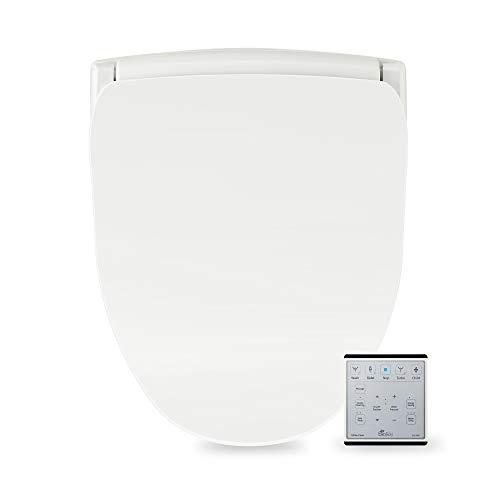
The Slim TWO by Bio Bidet is similar to the previously discussed bidet seat, but it has some notable differences.
The Nozzle
The nozzle is still the stainless steel three-in-one self-cleaning system.
You can expect both feminine and posterior cleansing. However, this model also has a turbo wash and a massage cleaning setting. The cleaning path is wider, and the water pulsates if you wish.
Furthermore, there is a child setting, as well.
The Lid and Seat
The seat is heated, and the seat and the lid are slow-closing, so you do not have to worry about slamming lids.
Also, you have a choice with elongated or round with the Slim TWO.
The Extras
The Slim TWO has a night light, as well, and the sensor that prevents the use of the bidet without someone sitting.
The luxury class BB-1000 Supreme by Bio Bidet is all about comfort and the extras.
The Nozzle
The nozzle is the same three-in-one system that self cleans that you have come to expect with Bio Bidet.
The nozzle offers massage cleaning, a wide cleaning path, as well as posterior and feminine washings. Also, the nozzle oscillates and includes a pulsating wash feature.
The Lid and Seat
The seat is heated and includes the body sensor that prevents the bidet’s use when no one is sitting. The lid and seat are slow to close, so pinched fingers and slamming seats are not a problem.
The Extras
This bidet includes a wireless remote and a patented enema wash for those shy bathroom moments.
The seat has a reservoir for heating the water, and the tank delivers water through the bidet system with consistency.
Also, this seat offers a steam feature for added pampering and a powerful deodorizer.
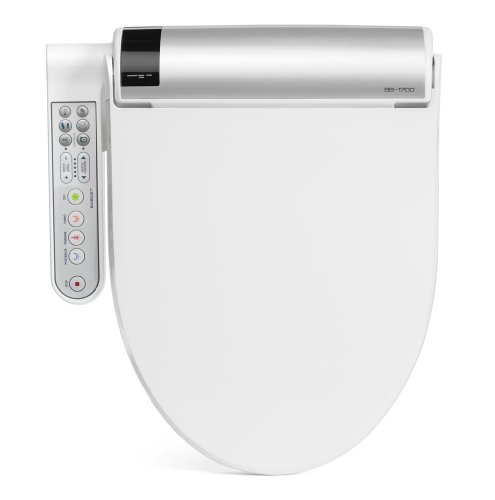
The Bliss BB-1700 is a premier class of bidet seats by Bio Bidet, and this seat has a lot to offer.
The Nozzle
The stainless steel nozzle self cleans to ensure your bidet experience is sanitary every time you sit down.
Also, the nozzle delivers water to both the front for a gentle feminine cleaning and the posterior. There is a massage cleaning feature as well as oscillating cleaning with a broader path.
The Lid and Seat
Both the seat and the lid close slowly, and the seat has adjustable temperature controls for maximum comfort. The seat is available in elongated.
The Extras
The Bliss BB-1700 features a heating system that involves a tank that holds water and a heating coil to bring you the best water heating technology out there.
Bio Bidet’s USPA 6800 luxury class bidet seat is both classy and uses cutting edge bidet technology.
The Nozzle
The stainless tell nozzle self-cleans, so you do not have to worry about hygiene.
Also, the nozzle delivers multiple cleaning options. For instance, you can choose between oscillating or pulsating, and your cleaning spray track is wide enough to do a great job. Furthermore, there is a posterior and feminine setting for the spray.
The Lid and Seat
The lid and seat are slow to close, which eliminates slamming seats. Also, the seat itself is heated for comfort.
You may choose between round or elongated seats, as well.
The Extras
For those who prefer to air dry, this seat features a dual-speed warm air dry. The speed of the air is not the only adjustment in your control because you can control the temperature of the air, as well.
This seat has a child-friendly setting, too.
Lastly, there is a deodorizer built into the seat for added comfort.
What Is Best for Your Rear End
There are many reasons to install a Bio Bidet in your bathroom. Besides some added health benefits, bidets are cost-effective in the long run and are environmentally friendly.
Bio Bidet has a wide range of bidet seat options to suit your budget and your bathroom’s aesthetic.
With options such as temperature control over the seat itself, the water for cleaning, and the temperature of the air stream for air drying, you can customize your bathroom experience.
Also, Bio Bidet offers multiple seats with a range of water pressures. For instance, a softer feminine spray might be what you need. Otherwise, the turbo clean or posterior spray is an option, as well.
No matter your needs, Bio Bidet has enough options to keep everyone happy.
Which Bio Bidet seat did you choose? Answer in the comments.
A teacher by trade, Victoria splits her free time between freelance writing, her camping blog, and (frantically) guiding her teenagers into becoming functional adults. You’ll find more of Victoria’s helpful home care advice at Simple Toilet.
You probably didn’t schedule months in advance for a plumbing to come knocking on your door. Most plumbing problems are unexpected emergencies that leave you scrambling. Thankfully, many plumbing professionals are now offeringemergency servicesto get things back in working order. To help them make the repairs much faster, there are a few steps you can take to prepare for their service visit.
You already should have called them up and given them the run down. Now, you have an ETA. It’s time to ready the space correctly to save time and give the plumber the room they need to work efficiently.
Here are 5 steps to welcoming a plumber into your home:
1. Find the Main Shut Off Valve
This is one thing that the professional plumber will personally ask of you when calling. “Have you turned off the water?” or “Do you know where the shut off valve is located?” It is pertinent information, and you cannot overlook that. Sometimes, depending on the severity of the plumbing problem, you may have tolocate the main shut off valve and turn off the water for your entire home.
The main line is connected to the city water line and is necessary for keeping pressure under control. In the event that your pipes spring a leak, the main line valve will be unable to function properly—and that results in a wet mess.
Before the plumber arrives, locate your main shut off valve. They may ask to be shown its location. If you have trouble finding it, they can help you find it, but that adds time to their service.
Expect your plumber to also ask you to turn the valve on and off. If the valves are not turned at least twice a year, they may seize.
2. Clean Up the Space
Where is the plumbing emergency located? Is there enough space for the plumber to set down their tools and get into the space? If not, you should get to work immediately and remove any obstacles. Make sure the work space is free of any objects that could break or injure the professional. For instance, if the leak is happening under the kitchen counter, then you should remove any bottles, chemicals, garbage bins, and other objects out of the space. If the leak is in the basement, or you only found a section of water damage, you should move boxes, furniture, and other things out of the way so the plumber can investigate.
3. Clean Out the Toilet
A clean toilet is always going to be appreciated. Many homeowners encounter issues with their toilet over the years, so it is understandable if the toilet is not entirely pristine. However, if you can clean up the area, mop up some of the water, and get rid of any unpleasant sights, the plumber will be very happy.
Similarly, whether the shower or bathtub is overflowing, or a pipe in the basement has burst, try to make sure those things are clean. Try to wipe down the work space and make it as sanitary as possible.
4. Remove Ice and Snow in the Winter
If your plumbing emergency takes place during the colder months, you have one extra step to preparations. Many homeowners encounter frozen or burst pipes in the winter, which is unfortunate for everyone involved. Ice and snow are particularly dangerous when your plumber is hauling tools into your home and back outside to the truck.
Clear ice and snow from the walkways to ensure they do not slip. If the entrance to your driveway is covered in snow, please shovel away the snow so that they can safely enter your property.
And for all times of the year: Make sure the driveway and walkway is clear of children’s toys, bikes, gardening supplies, and furniture. A clear path to your home is the best path.
5. Do Not Allow Children and Pets into the Work Area
Although most plumbers are going to be happy to see a wagging tail when they arrive, pets and children can inadvertently get in the way. Be sure to corral children and pets before the plumber arrives and keep them occupied during the service. Depending on the severity of the plumbing emergency, it may be best to have your kids and furry children go for a short visit to grandma’s or out for an adventure with your partner.
Other Tips To Make the Plumbing Service a Breeze
During the service, you are more than welcome to ask questions. A professional should be responsive and happy to answer your queries. Also, do not be afraid to share as much information as possible. The more details your plumber has to work with, the quicker they can come a conclusion about the issue or provide more comprehensive services.
After the plumber has wrapped up the service, they will probably tell you about what happened and give you some tips on how to prevent such an ordeal for occurring in the future. Write down that information, especially if you are prone to forgetting.
Also, you should keep an eye on the repaired pipes or appliances for the next few weeks. Monitor how much water is being used or check if the water bill cost has gone up or down. If the job was done right, you should not notice any spikes in water usage.
Final Thoughts
Plumbing repairs can be unexpected and stressful, but that does not mean it has to appear like you are unprepared. By getting your home ready for the professional plumber, you are ensuring that everything will run smoothly. If the plumber can get to work immediately, the repairs will be completed sooner, and you have to worry less about more extensive water damage.
The heating season is upon us! Since the invention of the combustible furnace, the heat pump, and other heating systems, the heating season has been the time when they are all put to the test. A heating unit might seem incredible, with some of the latest and greatest technology from around the world, but if it doesn’t heat your home comfortably, then it’s as good as garbage. While heaters are built sturdy and strong, it’s actually up to how they’re treated by their owners that really details how long they’ll last.
We’ve got a few tips for you to help your heater last through the season. If it has trouble, or if some of these tips don’t apply because your heater is acting strange, then perhaps it’s time to call us for heating repair in Clifton, NJ. We can get into why we’re the best at addressing these problems as well!
Check the Air Filter Regularly
Okay, we’re going to be real with you for a second. No forced-air heating system is going to work properly without having its air filter replaced every 1-3 months. This isn’t just our opinion as professionals, it’s a cold hard fact. As the air filter gets clogged, the system will start having trouble heating air since it’s being stifled of fresh airflow. Eventually, it will consume more fuel or energy, it will start struggling, a few components might become faulty, and eventually, it will break down before you’d want it to.
Luckily, these kinds of problems are avoidable by just standard homeowner maintenance every few months. Just pull out the filter, clean it out (or replace it if it’s a disposable one), and put it back in. Keep in mind that the more you use your furnace, the more often you’ll need to change your filter. Think of it similarly to changing the oil in your car!
Schedule Yearly Maintenance
Do you want to know the secret to avoiding those surprising furnace repairs each and every winter? Or perhaps you’d like to know why your neighbor’s heating bills, with the same heating system and same-sized home, are constantly lower than yours? Well, the key is heater maintenance.
Heating systems are built to last efficiently for 10-15 years. However, what amateurs and faulty contractors don’t tell you is that this number is only really achievable with yearly routine maintenance. Maintenance is the process by which a professional does a thorough examination of your system, making minor adjustments and repairs along the way, which essentially removes almost 80% of the repair needs that you would need done in your system’s lifetime. It’s really that simple.
Get the Right Heating Service
We know that you’ve probably got a professional “guy” on hand who does this kind of work—but are they right for you? Our team started 20 years ago after witnessing rampant terrible customer service in the HVAC industry. Simply put—the quality, honesty, and customer service we offer aren’t available by any of our competitors in the area. So, if you’re looking to change things up this year and get your heater fixed by the right professionals, give us a call today.
It is often difficult to determine how severe sewer pipe damage is and where pipe damage is located without the use of pipe inspection cameras. If your home’s subterranean sewer pipes have been compromised by intrusion, poor installation, or natural elements, then contacting a trained plumbing specialist to inspect your pipes is a crucial first step.


 If your commercial property has a water heater, then your business depends on it running smoothly every day. You can’t have a faulty water heater or risk ignoring one that is giving off signs it needs to have repairs done. You put too much at risk if you allow the water heater to keep running when it needs to have attention from experts in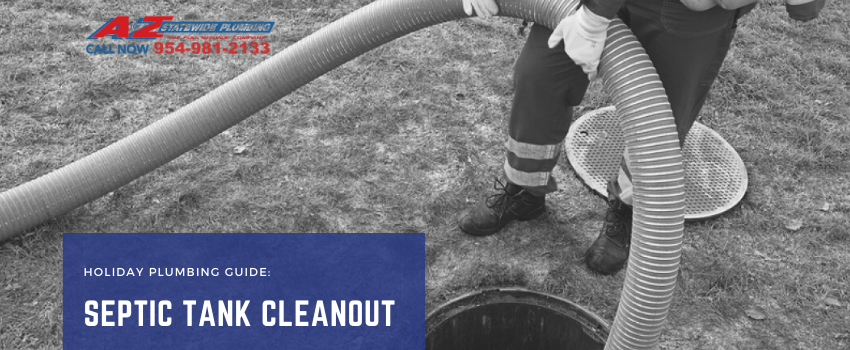







 The heating season is upon us! Since the invention of the combustible furnace, the heat pump, and other heating systems, the heating season has been the time when they are all put to the test. A heating unit might seem incredible, with some of the latest and greatest technology from around the world, but if it doesn’t heat your home comfortably, then it’s as good as garbage. While heaters are built sturdy and strong, it’s actually up to how they’re treated by their owners that really details how long they’ll last.